

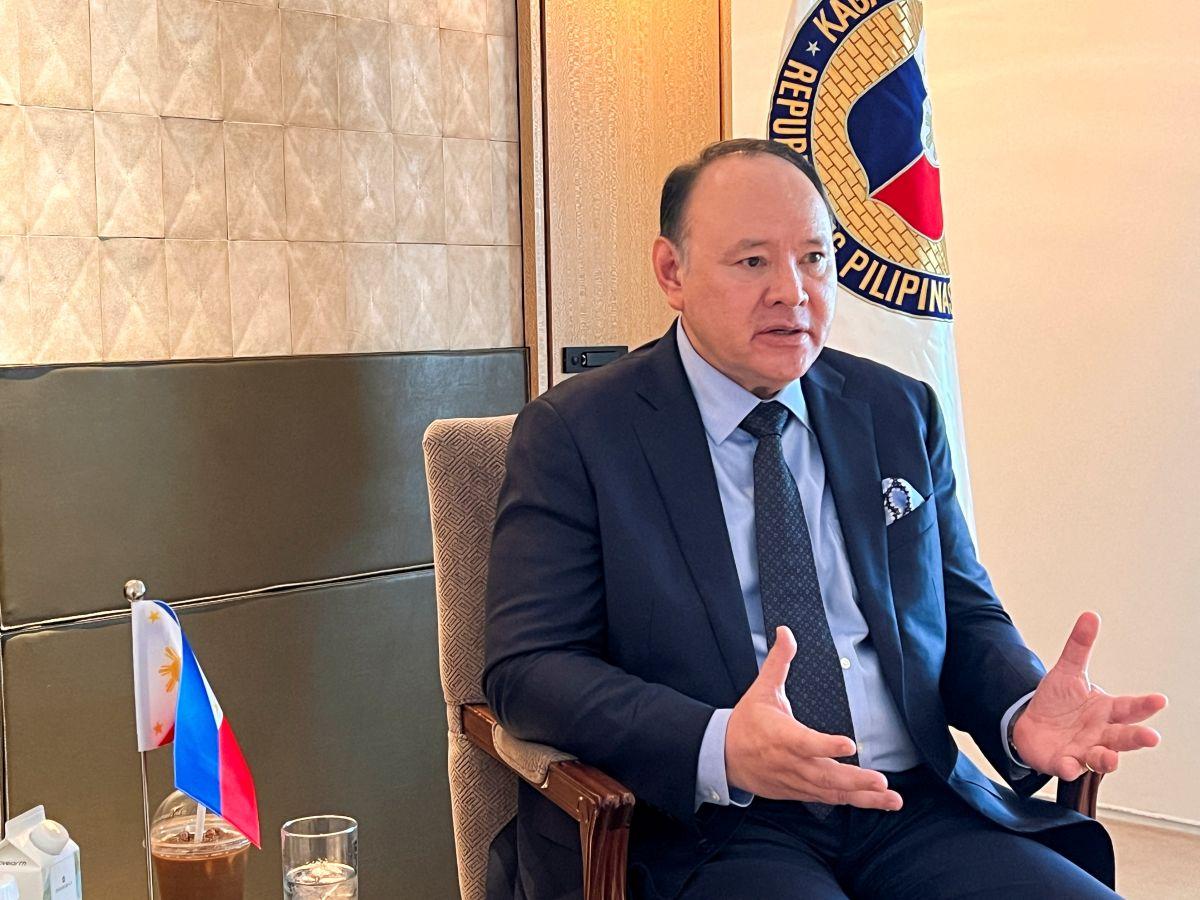
Teodoro's comments were made during a press conference held on Saturday, where he expressed his belief that the sanctions are a direct result of his efforts to combat illegal activities that have been linked to Chinese nationals operating in the Philippines. The Defense Secretary stated, "It is clear that these sanctions are an attempt to intimidate those who stand against illegal activities that undermine our sovereignty and the rule of law."
The context surrounding this issue is crucial. The Philippine government has been grappling with various forms of illicit activities involving Chinese nationals, including illegal online gambling, smuggling, and other criminal enterprises. These activities not only pose a threat to national security but also undermine the economic stability of local communities. Teodoro's commitment to addressing these issues has drawn both support and criticism, reflecting the complex dynamics of Philippine-China relations.
Teodoro’s remarks come at a time when the Philippines is actively seeking to strengthen its defense capabilities and assert its sovereignty in the face of increasing Chinese influence in the region. The tensions have been palpable, especially in the South China Sea, where territorial disputes continue to simmer. The Defense Secretary's position against illegal Chinese activities aligns with President Ferdinand Marcos Jr.'s administration, which has been vocal about maintaining a balanced approach toward China while prioritizing the interests of the Philippine people.
The sanctions themselves are a notable maneuver by Beijing, which has historically wielded economic and political pressure against officials and countries that challenge its interests. The imposition of these sanctions could have far-reaching implications, not only for Teodoro and his family but also for the broader Philippine political landscape. It raises critical questions about the extent to which foreign powers can influence domestic policies and the ability of local leaders to respond to illegal activities without facing repercussions.
In light of these developments, it is essential to consider the broader implications for Filipino citizens and the diaspora. The Philippine government’s crackdown on illegal activities is not just a matter of national pride but also a crucial step toward ensuring the safety and security of Filipino workers abroad, particularly those who may be vulnerable to exploitation by illicit enterprises.
As the situation evolves, the need for transparency and accountability in addressing these challenges remains paramount. The public must remain informed and engaged, as the outcomes of these actions will undoubtedly shape the future of Philippine sovereignty and international relations.
According to a report by GMA News, Teodoro's comments underscore a pivotal moment in the ongoing dialogue surrounding illegal Chinese activities and the Philippines' response to them.