

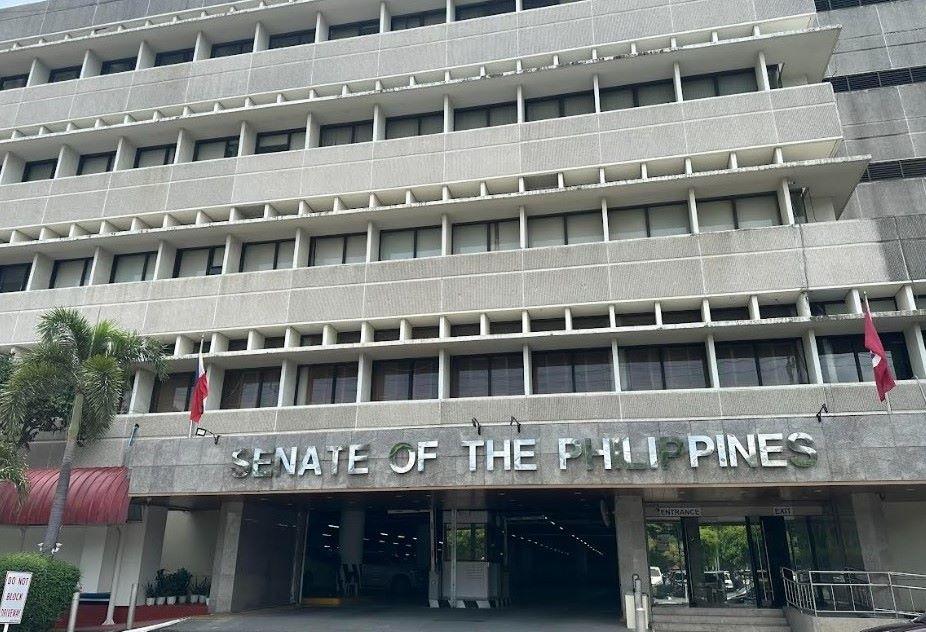
Behind the grand mahogany desks and beneath the glittering chandeliers of the Philippine Senate, a highly significant transition of administrative power is quietly taking place. In an institution known for its sharp debates and dramatic legislative showdowns, it is often the behind-the-scenes coordination of the Senate Secretariat that determines how smoothly the country's highest policymaking body functions. Recently, this administrative engine hummed to life with a crucial new development: the Senate secretary of the Cayetano-led bloc formally requested a meeting with the secretary of the Gatchalian-led bloc. While on the surface this appears to be a routine bureaucratic hand-off, the stakes could not be higher. The primary items on their agenda include the overall operations of the upper chamber and the highly sensitive administrative preparations for the impeachment proceedings of Vice President Sara Duterte.
To understand the significance of this meeting, one must look at the unique dynamics governing the Senate. Unlike the House of Representatives, which operates under a highly centralized leadership structure, the Senate is often described as a collection of twenty-four independent republics. Power shifts are frequent, and when leadership transitions occur—such as the recent shifts involving the blocs of Senator Alan Peter Cayetano and Senator Sherwin Gatchalian—the administrative transition of the Senate Secretariat is critical. The Senate Secretary serves as the chief administrative officer of the chamber, overseeing everything from the journal of proceedings to the physical security and administrative staff of the Senate. When a new leadership bloc assumes influence, the coordination between outgoing and incoming secretariats must be handled with extreme precision to prevent legislative gridlock.
This transition comes at a time of unprecedented political gravity. The House of Representatives has been actively moving forward with impeachment complaints against Vice President Sara Duterte. Under the Philippine Constitution, if the House votes to impeach a high-ranking official, the Senate is thrust into the role of an Impeachment Court. This is not merely a political transition; it is a monumental administrative undertaking. The Senate Secretariat must prepare the physical layout of the plenary hall to accommodate prosecutors from the House, defense counsel, witnesses, and the media. It must draft specific rules of procedure, manage sub-offices, handle voluminous evidence submissions, and ensure that every senator is provided with the legal and clerical support necessary to act as impartial judges.
Historically, Senate impeachment trials in the Philippines have stretched the resources of the upper chamber to their limits. The Secretariat's role in these trials is pivotal. From managing public galleries to coordinating with law enforcement for heightened security, the logistical challenges are immense. By initiating early coordination, the Cayetano and Gatchalian blocs are attempting to lay down a clear roadmap to ensure that, should the articles of impeachment be formally transmitted, the Senate will be operationally ready to execute its constitutional duty without delay.
Beyond the impeachment preparations, the meeting also addresses the day-to-day legislative operations of the upper chamber. With several high-priority economic and social reform bills pending, the Senate cannot afford a lapse in legislative momentum. Committee hearings, secretariat support for bill drafting, and the scheduling of plenary sessions require seamless coordination between the administrative heads of the different political factions. The professional relationship between these secretariats serves as the institutional glue that holds the Senate together, ensuring that political rivalries do not derail the governance of the nation.
As the administrative transition unfolds, the eyes of the public—and indeed the entire global Filipino community—remain fixed on the Senate. Filipinos living and working abroad, who closely follow domestic politics, understand that the stability of the Senate's administrative framework is vital for the country's economic and political image on the world stage. The smooth functioning of the upper chamber signals to international observers and investors that the Philippines' democratic institutions remain robust, orderly, and capable of handling high-stakes political processes with mature professionalism.
This administrative coordination reflects a commitment to institutional continuity amidst political turbulence. As both blocs sit down to hash out the details of the transition and prepare for the trials ahead, the resilience of the Philippine Senate's administrative structure will undoubtedly be put to the test. How these secretariats manage the dual challenge of routine legislative work and historic impeachment logistics will shape the trajectory of the nation's political landscape in the months to come.
According to a report by GMA News, this crucial meeting represents a vital step in maintaining the operational integrity of the legislative branch during a period of intense national scrutiny.