

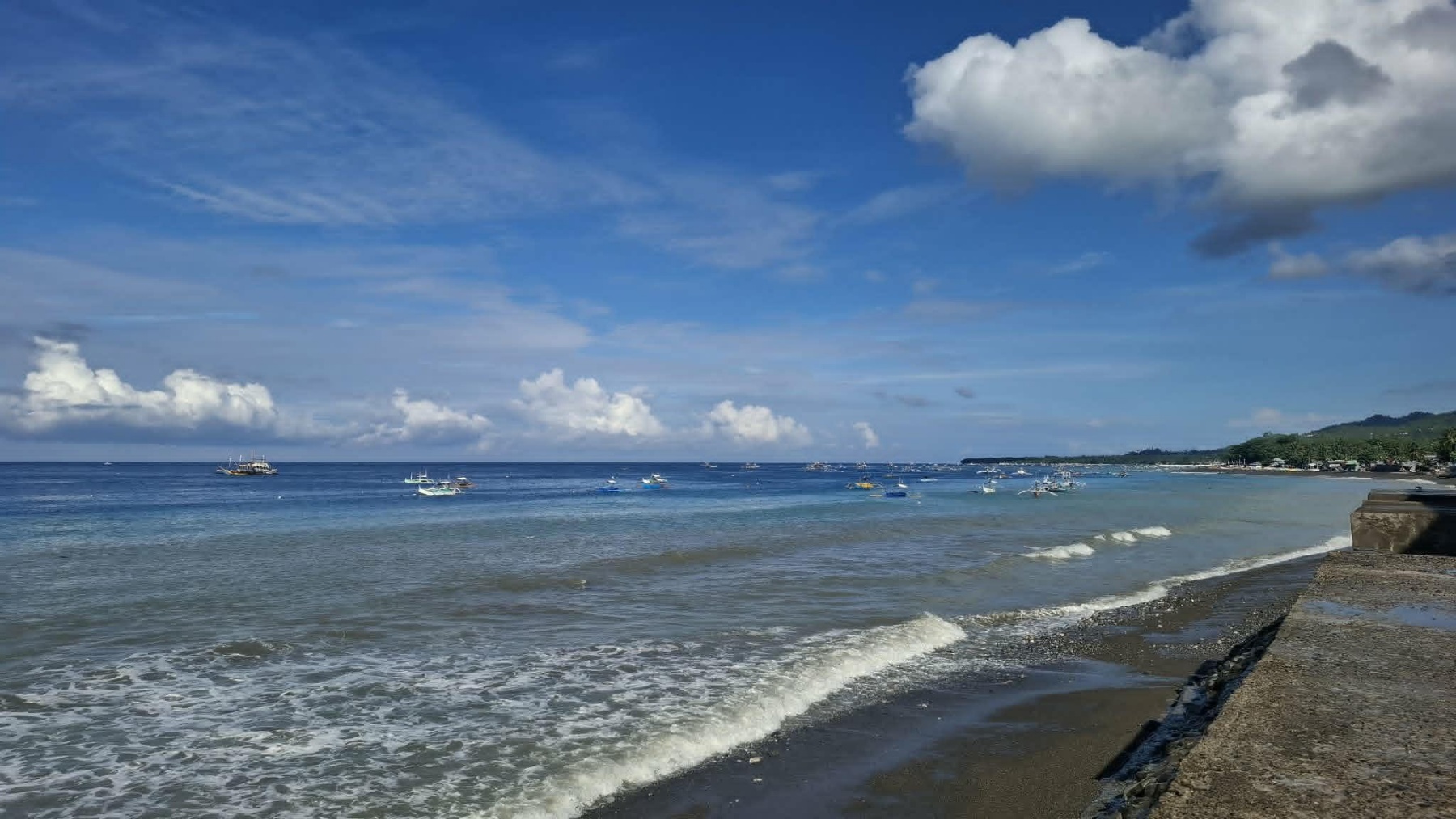
Nature has a way of reminding us of its sheer power, and this Monday morning, the residents of Mindanao were confronted with that stark reality. A massive magnitude 7.8 earthquake struck the region, sending shockwaves across communities and prompting immediate, decisive action from our maritime authorities. The Philippine Coast Guard (PCG) wasted no time in issuing a sweeping directive: all watercraft operations in Davao Occidental are suspended until further notice. This isn't just a matter of protocol; it is a critical life-saving measure designed to protect our fisherfolk, ferry passengers, and maritime workers from the looming threat of a tsunami.
Data sourced from GMA News indicates that the suspension is a direct response to the tsunami warning triggered by the seismic activity. When an earthquake of this magnitude occurs, especially one near the coast, the displacement of water can lead to dangerous surges that make the open sea a trap rather than a workplace. We have seen time and again that in the face of tectonic instability, the ocean can become unpredictable. The PCG's mandate ensures that vessels, from small motorized bancas to larger commercial craft, remain safely docked while the threat assessment is ongoing.
Living in a country situated along the Pacific Ring of Fire, we are no strangers to these alerts. The fear is palpable, and the memory of past tragedies serves as a sobering reminder of why these precautions are non-negotiable. While the immediate focus is on the safety of those at sea, the ripple effects of this earthquake will be felt throughout the local economy. Davao Occidental is heavily reliant on its maritime trade, and halting operations means a temporary pause in the flow of goods and services that keep the province running. However, when we weigh the cost of economic slowdown against the potential loss of life, the choice remains clear. The safety of every Filipino soul must take precedence over any logistical schedule.
As we track the situation, it is important to remember that communication is our most powerful tool. The authorities are working tirelessly to monitor seismic data and water levels. For those living along the coast, the standard protocol remains: move to higher ground if you feel the ground shaking violently or if you hear sirens and official advisories. Do not wait for the waves to arrive; preparation is the difference between safety and catastrophe. This is a moment for us to pull together as a community, checking on our neighbors, especially the elderly and those living in vulnerable seaside structures.
Many of our kababayans working abroad, particularly those with families in the affected regions, are surely feeling a deep sense of anxiety right now. The distance makes it difficult, but rest assured that local responders and the PCG are operating with maximum efficiency to mitigate risks. The suspension of watercraft ops is a standard preventative measure to ensure that search and rescue teams can navigate the waters if an emergency arises, and to prevent vessels from being caught in the chaotic currents that often follow major undersea disturbances.
We must remain vigilant and follow only the official updates provided by PHIVOLCS and the PCG. In times of crisis, misinformation spreads faster than the news itself, and keeping a cool head is vital. As the situation evolves, we will continue to keep you updated on the status of our ports and the safety status of the coastline. Let us keep our Mindanaoan brothers and sisters in our prayers as they navigate this difficult morning. The resilience of the Filipino people has been tested many times before, and it will be tested again today, but through cooperation and strict adherence to safety guidelines, we can overcome this hurdle. Stay safe, stay informed, and above all, look out for one another.