

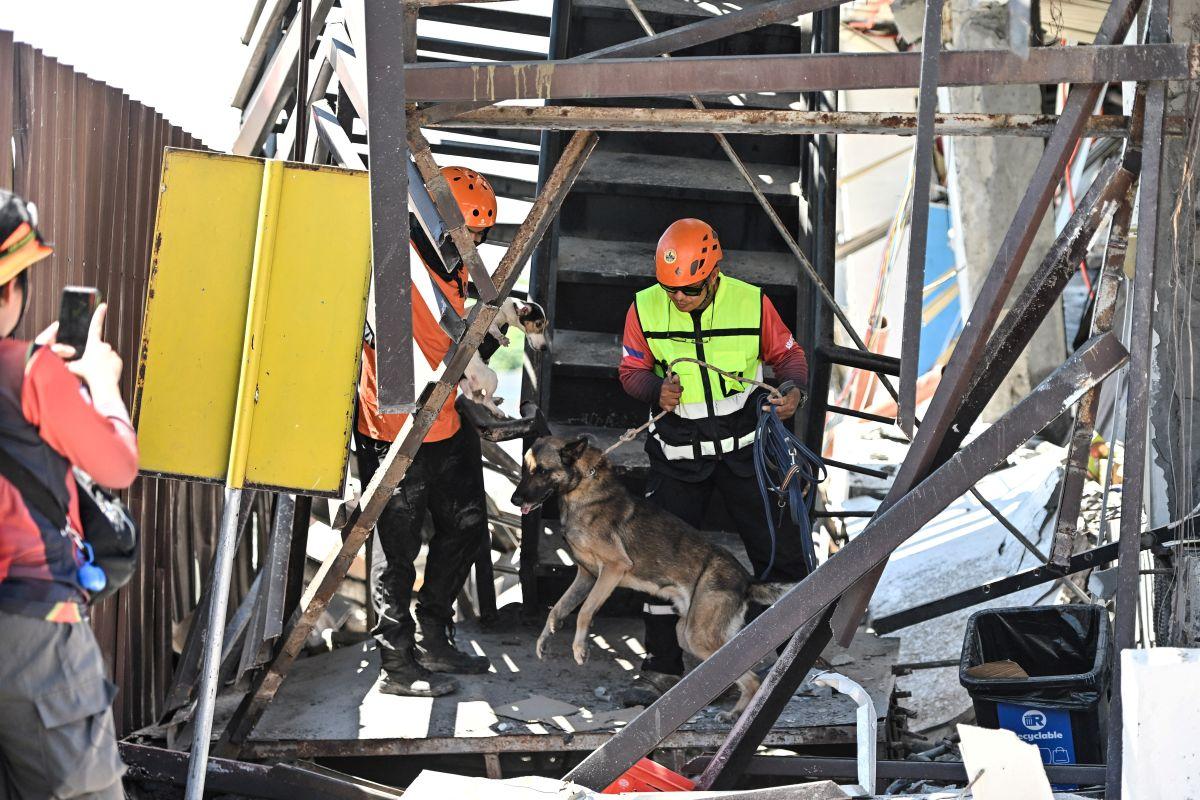
The ground beneath Mindanao has long been a source of both majestic natural beauty and unpredictable peril. In the wake of the powerful magnitude 7.8 earthquake that recently rattled the southern Philippines, the full scope of the devastation is slowly crystallizing into a sobering reality. According to the latest reports released by the Office of Civil Defense (OCD), the death toll from this catastrophic seismic event has officially risen to 37. Each number in this growing statistic represents a life cut short, a family shattered, and a community plunged into mourning.
For those who have lived through major seismic disasters, the suddenness of the event is always the most terrifying aspect. Residents across various provinces in Mindanao recount how a typical day was instantly transformed into a chaotic struggle for survival as the earth shook violently, tearing down concrete walls, collapsing bridges, and triggering massive landslides in mountainous terrains. The initial panic has now transitioned into a quiet, heavy grief as rescue teams recover more bodies from the debris, pushing the official casualty count higher.
Mindanao's geological landscape is notoriously complex. Situated along the highly active Pacific Ring of Fire, the region is crisscrossed by several major fault lines, including the Cotabato trench and the Philippine Fault System. This is not the first time our southern islands have borne the brunt of nature's fury. Seismologists often remind us of the series of strong earthquakes that struck Cotabato in late 2019, which caused extensive damage and left a lasting psychological scar on the local populace. This recent magnitude 7.8 earthquake, however, stands out because of its sheer intensity and the vast area over which its destructive energy was felt.
The challenges confronting response teams on the ground are immense. In the immediate aftermath of the quake, crucial communication networks were severed, leaving many far-flung barangays isolated from immediate aid. Heavy equipment needed to clear debris could not reach landslide-hit areas due to severely damaged roads and fractured bridges. Despite these logistical hurdles, local government units, the military, the police, and various non-governmental organizations have been working tirelessly. Search, rescue, and retrieval operations have been ongoing, even as continuous aftershocks threaten to bring down already compromised structures.
The humanitarian crisis unfolding in the evacuation centers is equally pressing. Thousands of families are currently displaced, sleeping in temporary tents erected in open fields and sports complexes. The fear of returning to their homes is palpable, compounded by the constant shaking of the earth as hundreds of aftershocks continue to register. In these crowded centers, the immediate need for clean drinking water, food packs, medical supplies, and psychological first aid is critical. Local health authorities are working double time to prevent the outbreak of diseases in these temporary settlements, emphasizing the need for sustained national support.
Beyond the immediate casualty figures, the long-term economic impact on Mindanao's local communities is expected to be profound. Many of the hardest-hit areas are agricultural and coastal towns where livelihoods are directly tied to the land and sea. With markets damaged, irrigation canals disrupted, and transport routes cut off, local farmers and fishermen are facing a bleak financial outlook. Rebuilding homes is one thing, but restoring the economic heartbeat of these communities will require a sustained, multi-year rehabilitation plan from the national government.
This disaster once again brings to the forefront the critical discussion surrounding disaster preparedness and structural integrity in the Philippines. While we often praise the inherent resilience of the Filipino spirit, resilience alone cannot withstand a magnitude 7.8 earthquake. It highlights the urgent need for stricter implementation of the National Building Code, regular and realistic community earthquake drills, and the construction of more dedicated disaster-resilient evacuation centers across vulnerable provinces.
As the nation rallies behind Mindanao, the stories of heroism and solidarity offer a glimmer of hope. Neighbors helping neighbors pull survivors from collapsed homes, volunteers packing relief goods late into the night, and communities opening their doors to displaced families show the best of the Filipino 'bayanihan' spirit. The road to recovery will undoubtedly be long and painful, but with collective effort and sustained national focus, Mindanao will rebuild.
Data sourced from a comprehensive report by the Office of Civil Defense (OCD).