

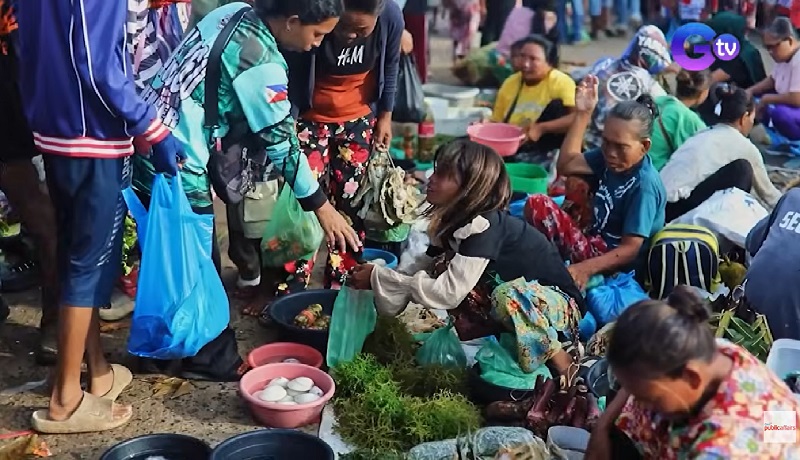
Imagine walking through the bustling markets of Panglima Sugala, where the aroma of freshly caught fish mingles with ripe tropical fruits. Here, one can witness a colorful array of goods laid out by local vendors eager to trade. Instead of the usual monetary exchange, locals engage in a vibrant barter system, showcasing their goods and seeking to swap them for what they need. This practice is not merely an economic transaction; it reflects a rich cultural heritage and a community's resilience in adapting to changing circumstances.
The barter system has long been a part of the Filipino culture, particularly in remote areas where access to cash might be limited. In Tawi-Tawi, the tabuh-tabuh system acts as a lifeline for many families, allowing them to acquire essential goods without the burdens of cash scarcity. It fosters a spirit of cooperation and interdependence among the community members, creating strong bonds that go beyond simple trade.
Interestingly, the rise of online platforms has begun to intertwine with this traditional practice. Social media groups and online marketplaces have emerged, allowing residents to extend their barter activities beyond local confines. This digital evolution means that someone in Tawi-Tawi can now trade goods with someone from a different region, thereby expanding their network and the diversity of available products. The online barter connections are not just about convenience; they also help preserve a sense of community and cultural identity.
However, while the online aspect introduces innovation, it’s crucial to acknowledge the importance of maintaining the traditional values that underpin the barter system. The personal interactions and trust established through face-to-face exchanges are irreplaceable. As technology continues to evolve, so does the challenge of keeping these core values intact.
Moreover, the tabuh-tabuh practice serves as a reminder of the resilience of local economies in the face of global challenges. In a world where economic uncertainties loom large, communities like Panglima Sugala showcase how exchanging goods can provide stability and security. This barter system not only meets immediate needs but also cultivates a sense of belonging and communal support.
As we look to the future, the continued success of the barter trade in Tawi-Tawi may inspire other regions to explore similar practices. It emphasizes the significance of community and adaptability in economic systems, reminding us that sometimes, the best solutions lie in our traditions.
In conclusion, the tabuh-tabuh or barter system in Tawi-Tawi is more than just a way to trade goods; it is a celebration of culture, community, and resilience. As digital platforms provide new opportunities, it is essential to strike a balance between innovation and tradition, ensuring that the heart of barter trade—the relationships and trust—remains strong.
Data sourced from GMA News.