

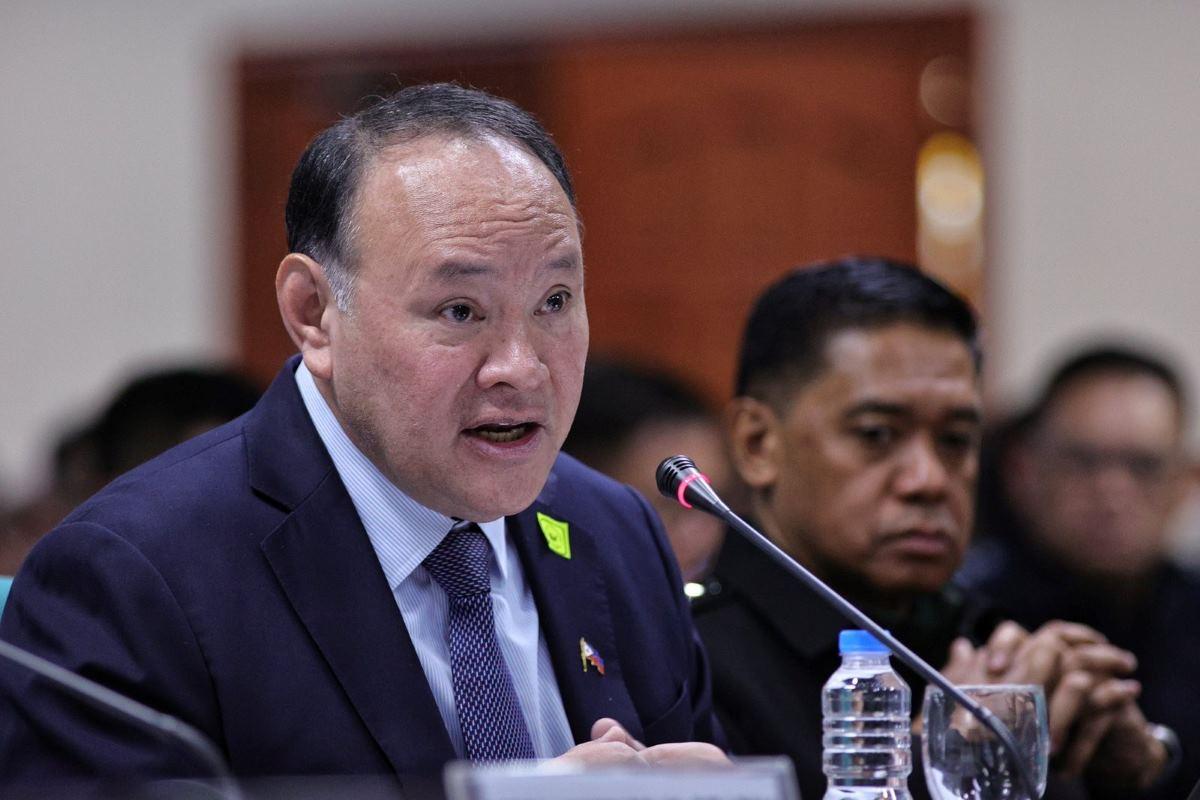
The geopolitical landscape in Southeast Asia has taken another dramatic turn, showcasing the heightened friction between Manila and Beijing over contested waters. In a powerful demonstration of institutional solidarity, the Armed Forces of the Philippines (AFP) has publicly declared its unwavering support for Defense Secretary Gilbert "Gibo" Teodoro Jr. This military consensus comes in the direct aftermath of Beijing's decision to impose personal sanctions on the defense chief and his immediate family—a move that local analysts view as a significant escalation in diplomatic pressure.
Historically, bilateral disputes between the Philippines and China have played out through maritime standoffs, diplomatic protests, and rhetorical skirmishes. However, targeting a high-ranking sovereign official with personal sanctions marks a shift into a more aggressive diplomatic theater. The AFP's public statement of backing for Secretary Teodoro is not merely a courtesy; it represents a unified front by the nation’s military apparatus, signaling that external pressure will not fracture the domestic defense leadership. Military officials have emphasized that the sanctions against the defense secretary are seen as an attempt to undermine the country’s resolve, but the move has instead galvanized internal support.
Secretary Teodoro has been at the forefront of the Philippines' revised defense posture. Since taking the helm of the Department of National Defense (DND), he has championed the Comprehensive Archipelagic Defense Concept (CADC). This strategic shift transitions the military's focus from internal security operations, such as counter-insurgency, toward robust external defense capabilities. Under Teodoro's guidance, the Philippines has intensified its efforts to secure its exclusive economic zone (EEZ) in the West Philippine Sea, establishing stronger maritime patrols and bolstering security alliances with global partners. It is this proactive and uncompromising stance on territorial integrity that has made him a primary target for Beijing’s administrative penalties.
The imposition of these sanctions highlights a broader geopolitical struggle. As Manila continues to fortify its defense ties with traditional allies like the United States, and emerging partners such as Japan, Australia, and Canada, Beijing has sought ways to demonstrate its displeasure. Observers note that by targeting the defense chief's family, the sanctions attempt to introduce a personal cost to public service and national defense advocacy. Yet, the consensus among security experts in Manila is that such measures are unlikely to deter the current trajectory of Philippine foreign policy. Instead, they are expected to deepen the country's resolve to seek international legal remedies and strengthen multilateral defense agreements.
Within the ranks of the AFP, the mood remains steadfast. Command leadership has reiterated that the military answers to the chain of command and stands fully behind the civilian authority represented by the DND. The support for Teodoro also resonates with the broader defense community, which views the sanctions as a badge of honor testifying to the effectiveness of the Philippines' current defensive posture. The department's focus remains on modernizing the navy and air force, ensuring that the country can credibly deter future incursions and defend its sovereign rights under the United Nations Convention on the Law of the Sea (UNCLOS).
As the situation develops, the diplomatic community will be watching closely to see how Manila officially responds to these sanctions on the global stage. While Beijing may have intended to isolate the defense secretary, the immediate result has been a wave of domestic solidarity and an opportunity for the Philippines to reiterate its commitment to a rules-based international order. The defense establishment has made it clear that personal intimidation will not dictate the country’s national security policies.
Data sourced from GMA News reports.