

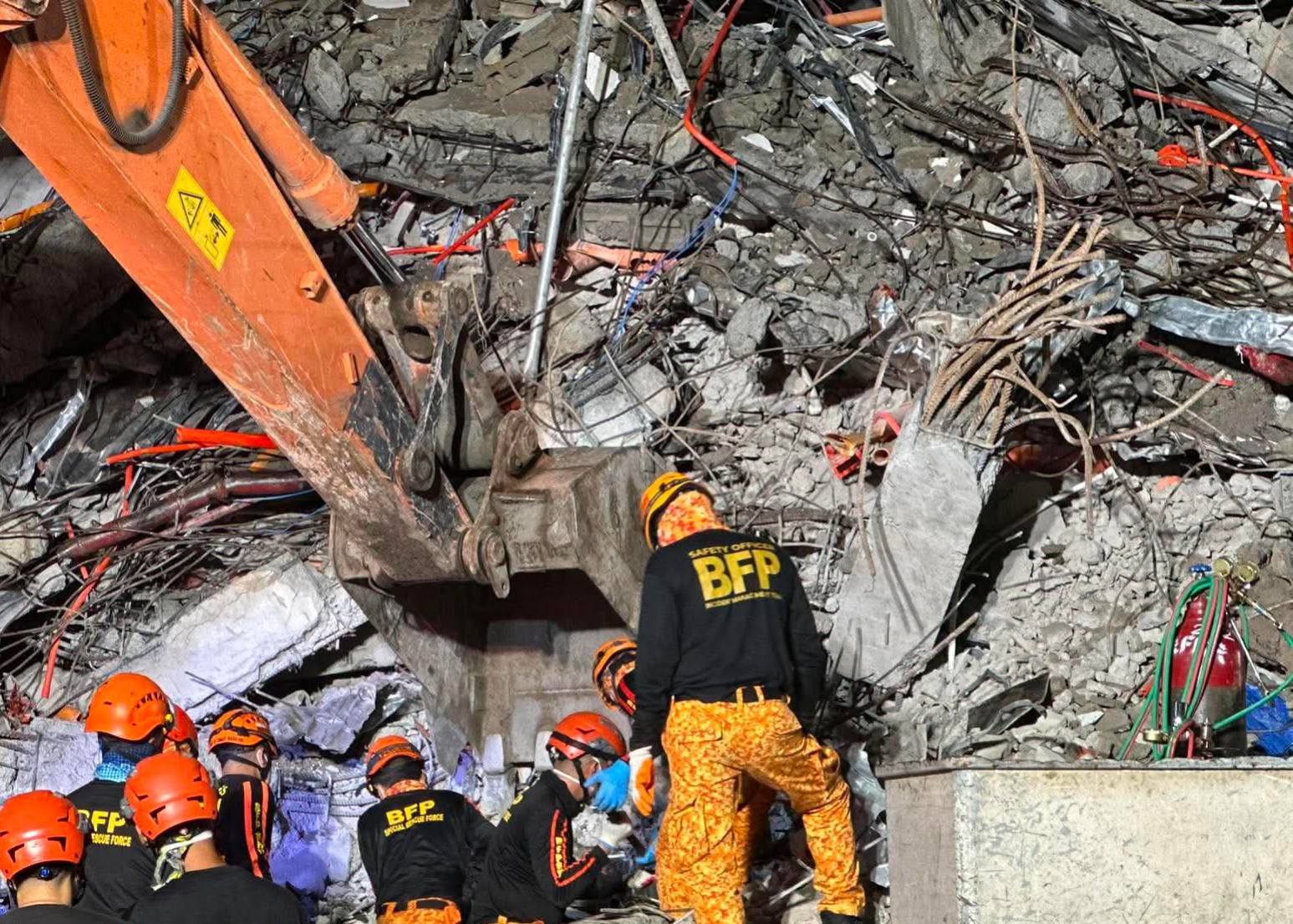
The silence that follows a tragedy is often the heaviest part of the aftermath. In Angeles City, Pampanga, that silence has been punctuated by the steady, grueling work of rescue teams navigating the precarious remains of a construction site that has become a site of mourning. According to a report by the Bureau of Fire Protection (BFP) Central Luzon, the death toll from the building collapse has now reached 27, following the recovery of two additional bodies this past Wednesday. This isn't just a number; it represents 27 individuals who left their homes expecting a day of honest work, only to be caught in a structural failure that has sent shockwaves through the community and the nation.
As we look at the logistics of such an event, one cannot help but reflect on the broader implications of construction safety standards in the Philippines. When a building that is still under construction fails in such a catastrophic manner, it brings into question the intricate web of compliance, engineering oversight, and site management. The investigation into what caused the structure to give way remains active, and for the families waiting for answers, justice is likely the only thing that will eventually bridge the gap between their loss and the need for accountability. We often talk about infrastructure development as a sign of progress, but this tragedy serves as a grim reminder that human safety must never be treated as a secondary metric.
Rescue operations, while technically complex, have been carried out with a level of urgency that underscores the gravity of the situation. Every hour spent clearing debris is an hour of painstaking labor, often performed under the constant threat of further instability. The BFP personnel, alongside local disaster risk reduction officers, have been working tirelessly. Their efforts demonstrate the courage of our first responders who enter these unstable environments knowing full well the risks involved. It is a sobering thought to realize that as these rescuers pull back the concrete and twisted steel, they are doing so in the hope of finding closure for families who are currently living in a state of suspended agony.
This incident also highlights the vulnerability of the construction workforce. Laborers often work on the front lines of our country's modernization, moving from one site to another, sometimes with minimal protection or oversight regarding the structural integrity of their surroundings. How do we ensure that such a tragedy is not repeated elsewhere? The conversation must shift from reactionary measures to proactive enforcement. Building codes exist for a reason, and if these reports suggest that there were corners cut or oversights made during the planning or execution phases, those responsible must face the full weight of the law.
For those of us observing from afar, it is easy to become desensitized to headlines about casualties. Yet, when we consider the human stories behind these numbers—the breadwinners, the fathers, the sons, and the friends—the weight of this event in Angeles City becomes clear. We extend our deepest sympathies to those affected. While the immediate focus is on the recovery of the remaining victims, the long-term work involves examining our systems to prevent this kind of heartbreak from ever occurring again. As news continues to emerge, the public interest remains high, not just for the sake of information, but for the fundamental need to hold institutions accountable. Data sourced from the BFP Central Luzon office confirms that as of mid-week, the search continues, and we remain hopeful that no further lives have been claimed in this devastating ordeal. We must remain vigilant, prioritize safety, and ensure that the legacy of those lost is not just a statistical mark, but a catalyst for real change in how we build our future.