

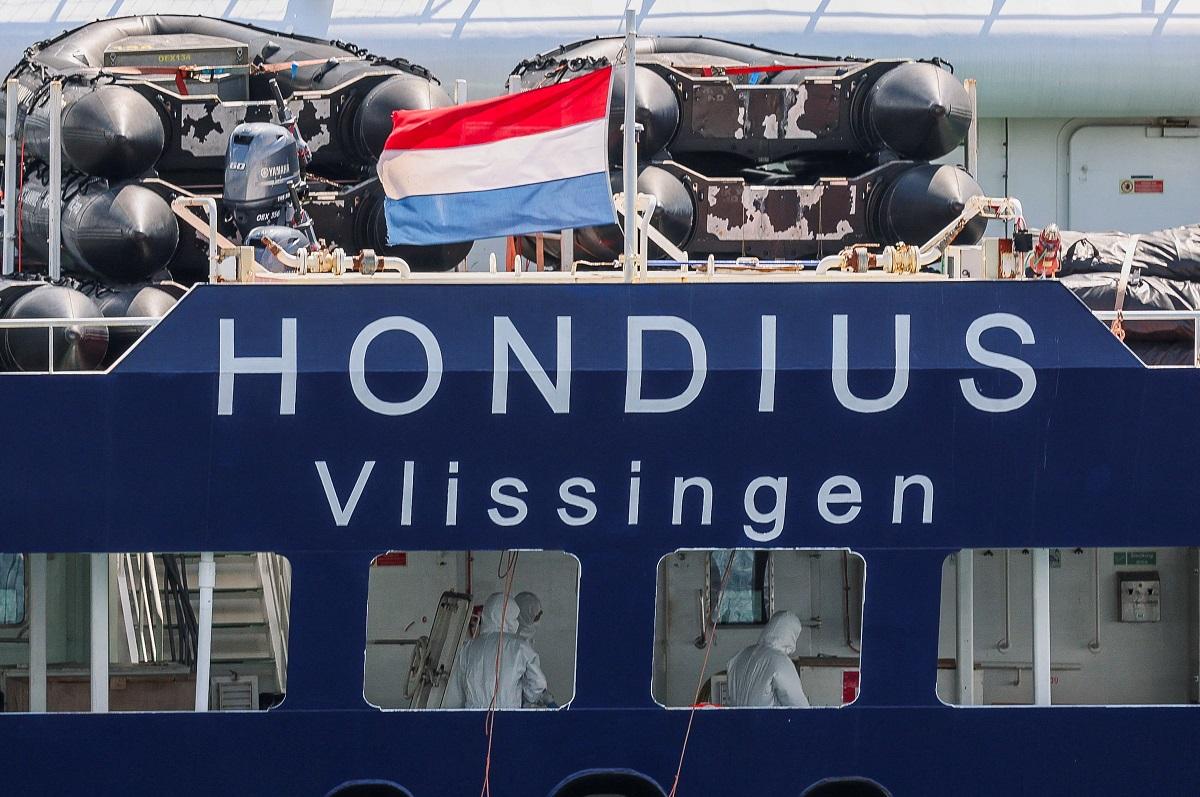
When we think of cruise ships, we often imagine luxury, buffet lines, and ocean sunsets. Rarely does the word "hantavirus" enter the conversation. Yet, this week, health authorities in Spain found themselves managing exactly that reality. A Spanish national, who had been evacuated from a cruise ship earlier this month, has officially tested positive for hantavirus. The individual is currently being held in a specialized military hospital in Madrid, under strict quarantine protocols meant to contain the situation and provide the best possible medical care. According to a report by Reuters, this development serves as a somber reminder of the complexities involved in global travel and the persistent nature of infectious diseases that we sometimes overlook in our modern, sanitized world.
To understand why this is causing concern, we have to step back and look at what hantavirus actually is. Unlike the common flu or cold, hantavirus is a group of viruses typically transmitted by rodents. When people hear the term, they might immediately jump to the most well-known variants found in the Americas, which can lead to Hantavirus Pulmonary Syndrome—a severe respiratory condition. While the specifics of the cruise ship environment make this particular case a subject of intense investigation by Spanish health officials, the overarching concern is always the same: transmission pathways. How does a virus linked to wild rodents end up in an ocean-going vessel? It is a question that the medical community is currently dissecting. Researchers often look at how cargo, food supplies, or even small stowaways might introduce pathogens into confined environments like ships, where social distancing is inherently difficult once a voyage is underway.
The swift action taken by the Spanish Health Ministry to isolate the patient in a military facility highlights the seriousness with which authorities are treating this development. Military hospitals often have the infrastructure to manage high-security health threats, suggesting that while this is a single case, the response is being handled with an abundance of caution. It isn't just about the one patient; it is about tracing the path of the virus and ensuring that no other passengers or crew members were exposed during the transit. The logistics of evacuating a cruise ship are incredibly taxing, involving not just medical professionals but also diplomatic coordination and specialized transport to ensure the safety of the public and the patient alike.
Historically, outbreaks on cruise ships have been dominated by discussions of norovirus or influenza—viruses that spread easily through droplets or contaminated surfaces. Hantavirus presents a different kind of clinical challenge. It reminds us that our environment, regardless of how much we engineer it, remains connected to the natural world. Whether through the global supply chain or the mere movement of people across continents, the microscopic world follows us. As travelers, we often forget that cruise ships are essentially floating, self-contained cities, and when a health anomaly arises, it requires the same rigorous public health response as a land-based community.
As we look forward to the investigation results, the takeaway here is not one of panic, but of vigilance. Medical science has come a long way in detecting and containing rare zoonotic diseases. The fact that this individual was identified and quarantined effectively is a testament to the robust nature of Spain’s current health surveillance systems. It demonstrates that the global medical infrastructure is constantly watching for these 'outliers'—the cases that don't fit the usual patterns of seasonal illness. We will keep a close eye on the updates from Madrid as experts clarify how this transmission occurred and what steps are being taken to sanitize and secure the vessel involved.
Data sourced from Reuters.