

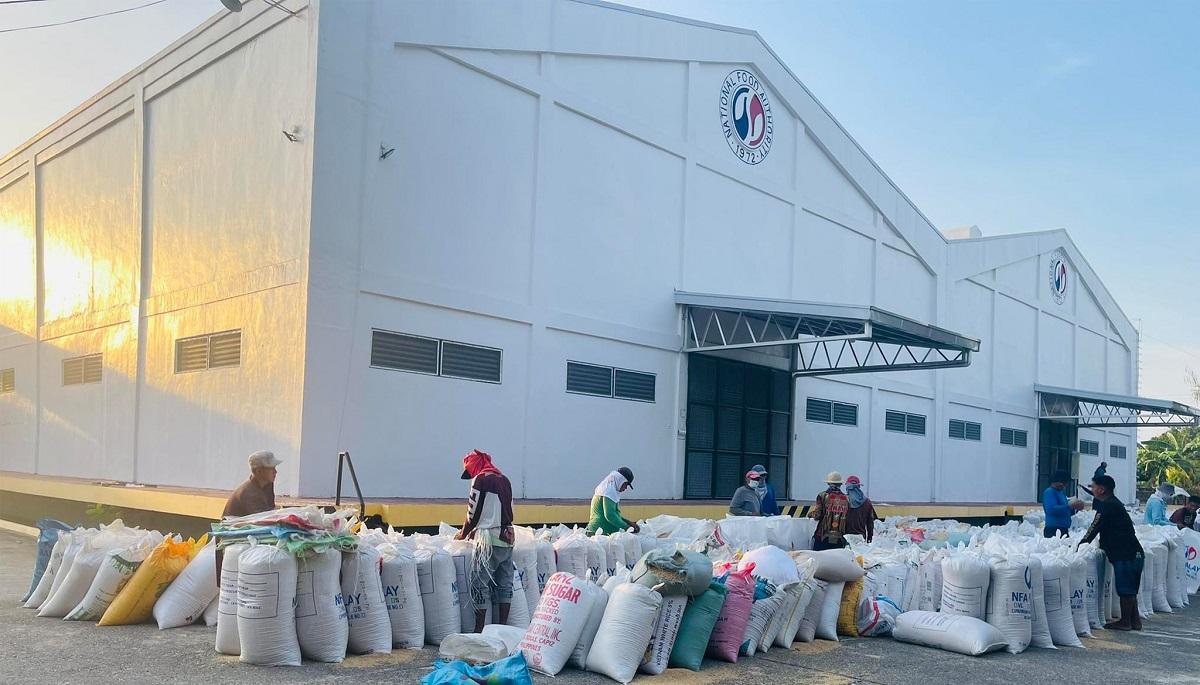
There is a palpable sense of renewed optimism sweeping through the rice-producing provinces of the Philippines, and it stems from a quiet but significant shift in legislative priorities. For years, the agricultural sector has felt the sting of a market that often leaves them behind, struggling to compete with the influx of imported grain while simultaneously battling the volatility of consumer prices. Now, a coalition of farmer groups has thrown its weight behind a proposed bill that seeks to restore the mandate of the National Food Authority (NFA) to actively intervene in the rice market. It is more than just a piece of policy; for the men and women in the fields, it represents a lifeline.
To understand why this is such a major development, we have to look at the landscape of the last several years. The liberalization of the rice trade was intended to lower costs for the Filipino consumer, and in many ways, it did. However, the unintended consequence was a market environment that often left local farmers unable to command a fair price for their palay. When private traders dictate the price based on import availability rather than local cost of production, the resilience of the agricultural sector weakens. The proposed bill aims to change this dynamic by empowering the NFA to step in as a stabilizing force. Imagine a system where the government is not just a passive observer but an active participant that can buy palay when farm-gate prices are plummeting, or sell rice when retail prices hit unbearable highs. This is the stabilizing mechanism that proponents argue is necessary for food security.
Consider the plight of the average rice farmer during a bumper harvest. Often, they are forced to sell their hard-earned produce at rock-bottom prices because of the sheer volume of supply and the lack of government procurement capacity. If the NFA has the authority—and the budget—to buy at a fair "floor price," it effectively puts a safety net under the rural economy. This isn't just about charity; it is about sustaining the domestic supply chain. If we lose the local farmer because the business becomes non-viable, we become entirely dependent on international markets, which are notoriously unpredictable. Recent global conflicts and supply chain disruptions have taught us that relying on imports is a risky strategy. By strengthening the NFA, we are essentially investing in national self-reliance.
Critics of such interventions often point to the inefficiencies of past state-run programs, and they have a point. The history of the NFA has been complicated, marred by past controversies and debates over subsidies. However, the current push is framed differently. The goal is to move toward a more targeted, responsive intervention model. It is not about eliminating the private sector; it is about creating a level playing field. The farmers aren't asking for the government to take over the rice industry; they are asking for the government to be a counterweight to market manipulation and volatility. When the price of rice skyrockets due to speculative trading, having the NFA release stocks into the market can act as an immediate pressure release valve, preventing the kind of inflation that hurts the poorest families the hardest.
As this bill moves through the legislative process, the conversation is shifting from 'if' we should intervene to 'how' we can do it effectively. It is a nuanced debate that touches on everything from fiscal responsibility to the very heart of rural livelihood. For the farmers, the message is clear: they want a partner in the government, not just a bystander. The support for this bill is a collective call for policy that recognizes that rice is not just another commodity in the Philippines; it is the cornerstone of our social and economic stability. Whether this move will lead to a more balanced and fair market remains to be seen, but for now, the hope is alive. As we watch this develop, one thing is certain: the future of our rice industry depends on our ability to craft policies that protect the hands that feed the nation. We will continue to follow this story as it makes its way through the legislative halls. #BalitaBNB #NewsUpdate #RiceIndustry #PhilippineAgriculture