

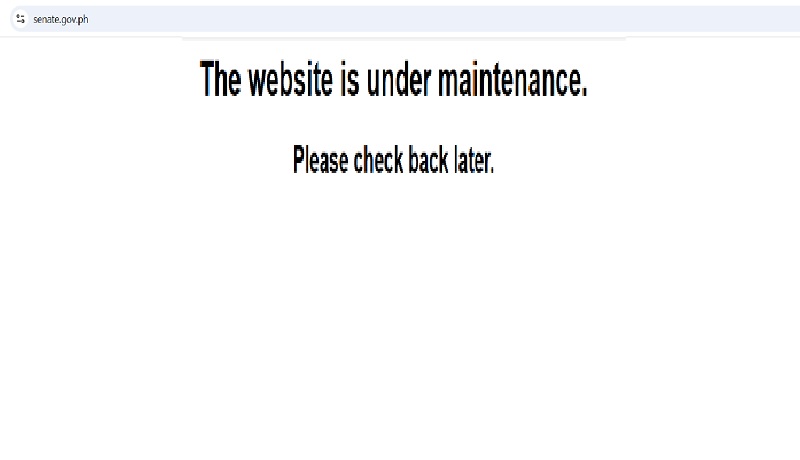
The hacking of the Senate's website is not just a technical glitch; it's a significant event that highlights vulnerabilities within our national infrastructure. As government agencies increasingly rely on digital platforms to communicate with the public, the risks associated with cyber attacks have grown exponentially. This incident serves as a stark reminder that no institution is immune to the threats posed by malicious actors in the digital space.
According to experts, the defacement of a website can be seen as a warning signal of potentially more severe attacks. It raises questions not only about the effectiveness of current cybersecurity protocols but also about the preparedness of our institutions to handle such crises. The Senate, as one of the pillars of democracy in the Philippines, is expected to uphold the highest standards of security. However, this breach reveals gaps that need to be addressed swiftly.
The hackers’ claim of responsibility further complicates the situation. Their motives can vary from political statements to attempts at sowing chaos. In this case, the act may be viewed as a demonstration of power or a protest against government policies. Regardless of the motivation, the implications for public trust in government institutions are profound. Citizens expect their representatives to safeguard not only their rights but also their information.
Moreover, this incident could trigger a broader discussion about cybersecurity laws and regulations in the Philippines. As we become more interconnected through technology, the importance of robust cybersecurity measures cannot be overstated. The government may need to consider implementing stricter regulations and investing in advanced cybersecurity technologies to protect its digital assets.
Local cybersecurity experts have called for immediate action, suggesting that the Senate conduct a thorough investigation into the breach and its causes. They emphasize the need for a comprehensive review of existing security protocols and the establishment of a more resilient cybersecurity framework across all government agencies. This might include regular audits, employee training, and the adoption of advanced security systems that can detect and respond to potential threats in real-time.
In the wake of this hacking incident, citizens are encouraged to remain vigilant about their online security as well. Personal data can be vulnerable if government systems are compromised. Regularly updating passwords, using two-factor authentication, and being aware of phishing scams are just a few steps individuals can take to protect themselves online.
As the Senate works to address this breach, it highlights an urgent need for a collective effort in strengthening our national cybersecurity stance. The government must engage not only with technical experts but also with the public to foster a culture of cybersecurity awareness. After all, the security of our digital infrastructure is as crucial as the security of our physical borders.
This incident serves as a wake-up call for all sectors, urging them to take cybersecurity seriously. The message is clear: in an age where digital threats are ever-present, proactive measures and preparedness are essential to safeguard our institutions and, ultimately, our democracy.
According to a report by GMA News, the Senate is currently investigating the details of the hacking, and updates will follow as more information becomes available.