

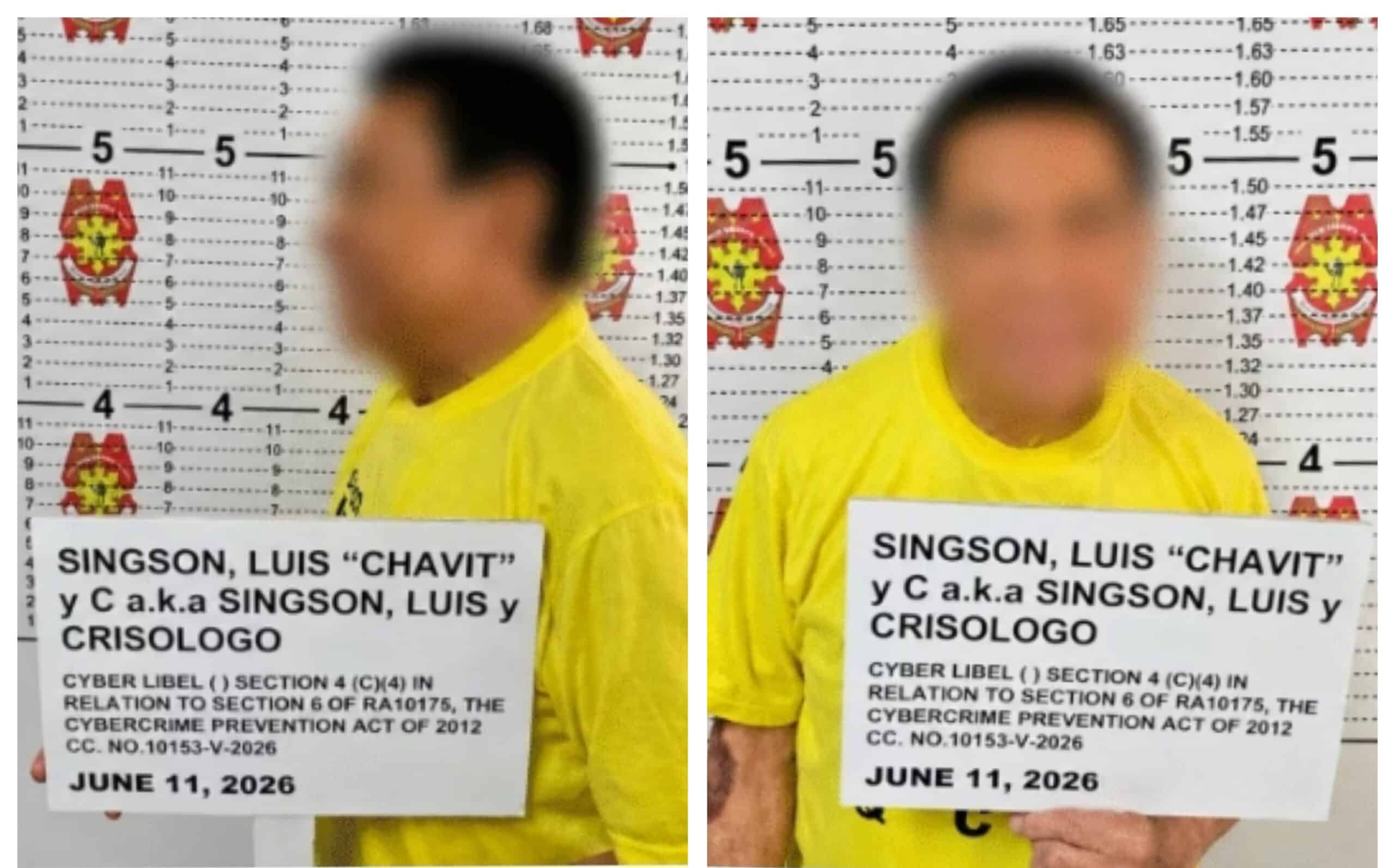
Singson, a prominent figure known for his colorful political career, has faced numerous controversies over the years. However, this latest legal challenge marks a significant moment not only for him but also for the broader discourse surrounding freedom of speech and the responsibilities that come with it. As the laws governing online communication evolve, the stakes are particularly high for those in the public eye.
The cyberlibel case against Singson reportedly stems from a series of online posts that allegedly defamed individuals connected to his political career. With social media becoming an increasingly powerful tool for both communication and expression, the line between free speech and defamation is being tested in courts across the nation. This case may set a precedent for how similar cases are handled in the future, especially as the digital landscape continues to expand.
As the news broke, reactions poured in from various sectors of society. Supporters of Singson expressed their displeasure, arguing that the charges are politically motivated, while critics see this as a necessary step in holding public figures accountable for their actions. It raises questions about the legal protections afforded to individuals online, particularly those who may feel vulnerable to defamatory statements.
The response from Singson’s camp has been swift, with his legal team indicating plans to challenge the charges. They argue that the allegations lack merit and that this is yet another example of how the political arena can influence judicial processes. As the case unfolds, many will be watching closely to see how the judiciary balances the rights of individuals against the need to protect reputations.
This incident also highlights the growing concerns about online behavior and the potential consequences that can arise from it. Cyberlibel, a term that has gained traction in recent years, refers to the act of defaming someone through digital platforms, and it is a crime that many are beginning to take seriously. With the rise of social media, the implications for public figures are significant, as their words and actions are scrutinized more than ever before.
The case against Chavit Singson is not just about one individual; it reflects a broader societal issue concerning how we navigate the digital world. As citizens engage with political discourse online, understanding the potential legal ramifications of their words becomes increasingly important. As this story develops, it will undoubtedly continue to fuel discussions about freedom of expression and the evolving nature of communication in the modern age.
According to a report by Bandera, this case serves as a reminder that in the digital age, every post, tweet, and comment can carry weighty consequences. As we follow this story, it will be essential to consider not only the legal outcomes but the societal implications of how we communicate and the responsibilities we hold in an interconnected world.