

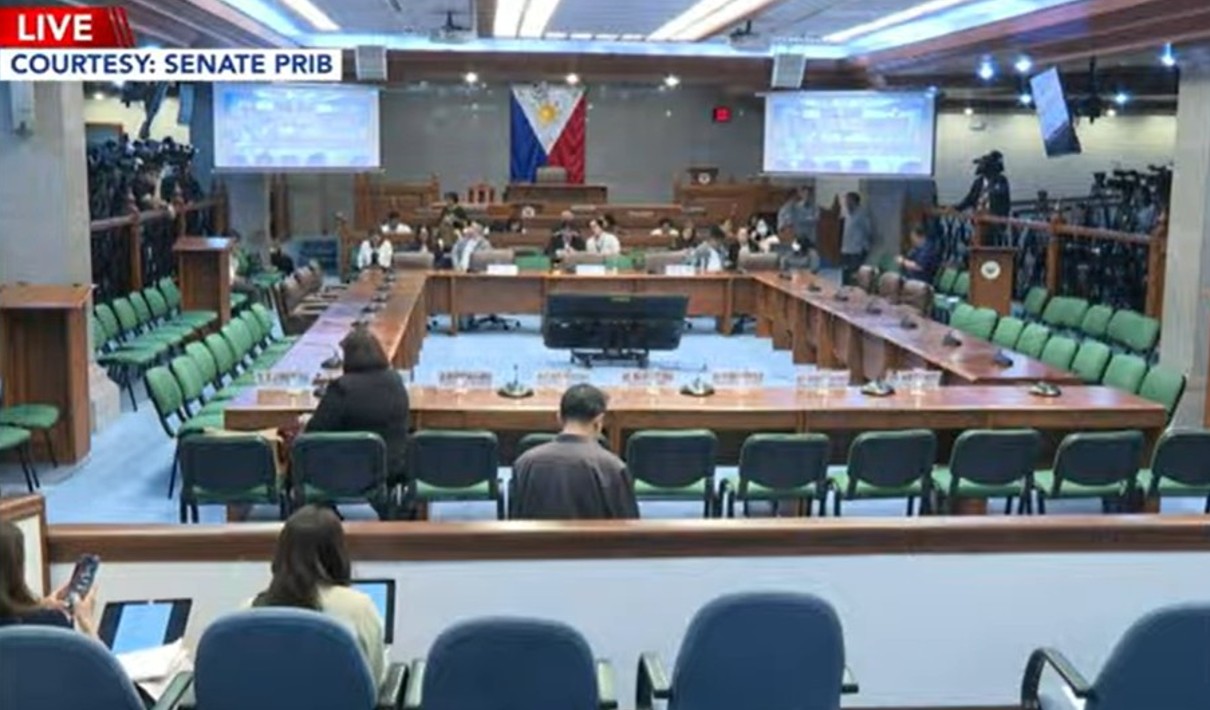
When the monsoon season rolls around, the familiar dread of rising waters becomes a shared experience for millions of Filipinos. It is a recurring narrative of loss, inconvenience, and frustration that often feels like a permanent fixture of our geography. However, the conversation shifted on June 8, 2026, as the Senate Blue Ribbon Committee convened a hearing led by Senator Win Gatchalian and his bloc. This was not merely a procedural meeting; it was a high-stakes interrogation into the efficacy—or perhaps the lack thereof—of the multi-billion peso flood control projects that have become the subject of intense public scrutiny.
Data sourced from recent Senate proceedings reveals that the hearing was focused on dissecting the allocation and implementation of flood mitigation infrastructure. For years, we have seen massive budgets funneled into dredging, wall construction, and pumping stations, yet the flooding persists, often worsening in intensity. The Gatchalian bloc’s push for this investigation stems from a growing public outcry regarding the lack of visible results despite the gargantuan financial outlays. As we look at the broader implications, it becomes clear that this is about more than just concrete and steel; it is about the sanctity of public funds and the promise of government accountability.
Walking into the hearing room, one could feel the weight of the expectations. Representatives from the Department of Public Works and Highways were placed under the spotlight, facing rigorous questioning regarding project delays, contractor selection, and the technical viability of existing structures. It is a familiar dance in our political arena: the lawmakers demand answers, the agencies present technical reports, and the public waits to see if anything actually changes. But this time felt different, fueled by the sheer desperation of families whose homes are ruined every year by urban inundation.
As we consider the historical context of flood control in the Philippines, it is easy to become cynical. We have seen task forces formed, master plans drafted, and international loans secured, all to address a problem that remains stubbornly undefeated. The infrastructure development in the country is often hampered by the complexity of geography, poor urban planning, and the recurring issue of corruption. When we talk about "flood control projects," we are talking about a lifeline for the marginalized who live in low-lying areas. Every missed deadline or substandard project isn't just a failure of management; it is a direct contributor to the vulnerability of the citizenry.
Beyond the technical arguments presented at the hearing, there is the human element. The Gatchalian-led inquiry highlighted the disconnect between boardroom decisions and street-level realities. The senators pressed for transparency on how specific flood projects were prioritized, noting that in many instances, funds were allocated to areas that didn't necessarily face the highest flood risks, while critically vulnerable zones were left underserved. This raises questions about political patronage in public works—a systemic issue that has plagued infrastructure development for decades.
Watching the proceedings, one can't help but think about the OFWs who send their hard-earned money back home, only to see it washed away by preventable floods. They deserve to know that their contributions are not just fueling economic growth but also sustaining a functional, safe environment for their families. The Senate inquiry serves as a reminder that oversight is the heartbeat of a functioning democracy. Without the persistent pressure of the legislative branch to audit the executive's spending, these projects would likely continue in the shadows of bureaucratic inertia.
As the hearing concluded, the path forward remains complex. There is no simple solution to the flooding problem, but there is a clear solution to the accountability crisis: complete transparency. The public will be watching closely to see if this committee hearing results in actual policy shifts or if it will simply be filed away as another record of good intentions that failed to manifest into tangible safety for the Filipino people. We must continue to push for the truth, because the water will keep rising, and our vigilance must rise with it. #BalitaBNB #NewsUpdate