

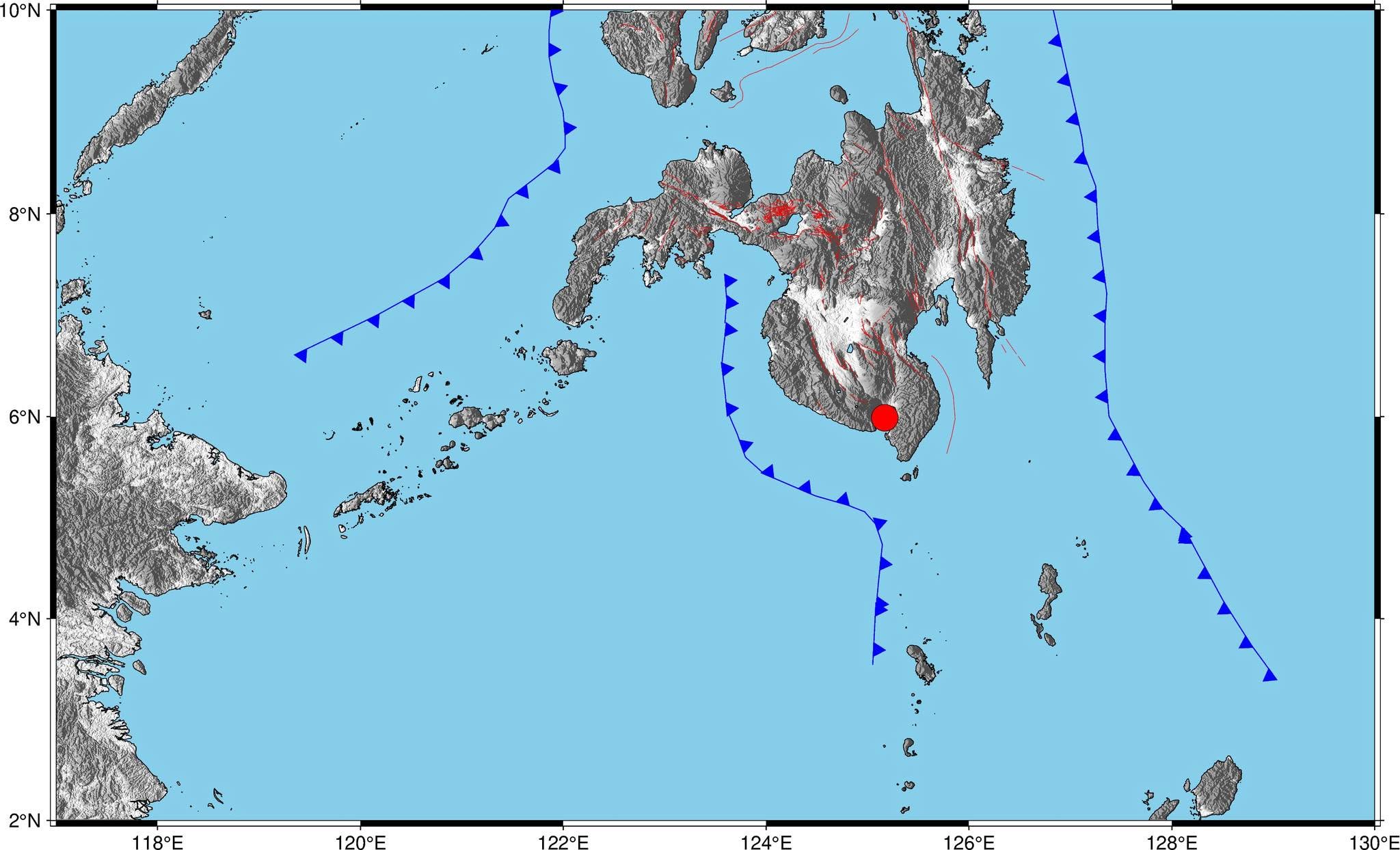
Earthquakes of this magnitude are not uncommon in the Philippines, an archipelago that sits on the Pacific Ring of Fire, known for its high seismic activity. However, the scale of this particular quake has raised alarms among experts and officials alike. The immediate response involved not only local emergency services but also national agencies coordinating efforts to assess damage and ensure public safety. With communication lines being tested and damage assessments ongoing, the focus remains on ensuring that any potential tsunami does not catch communities off guard.
Local authorities are urging residents to stay informed through official channels and to heed warnings from emergency services. The potential for aftershocks adds another layer of concern, as smaller tremors can follow significant earthquakes, which could complicate the response efforts. Emergency kits are being distributed in affected areas, and shelters are being prepared for those displaced by the quake.
As reports continue to come in, the emphasis is on community resilience and preparedness. Local leaders are rallying support and resources, emphasizing the importance of staying calm and following safety protocols. This earthquake serves as a stark reminder of the natural forces that can impact lives and livelihoods overnight.
In the aftermath, the broader implications of this earthquake will likely spark discussions on building infrastructure that can withstand such seismic events. The resilience of the Filipino people has been tested time and again by natural disasters, and this incident will surely be another chapter in the ongoing narrative of survival and adaptation in the face of adversity.
According to a report by GMA News, the focus remains on the safety and well-being of the affected communities as they navigate this challenging situation.