

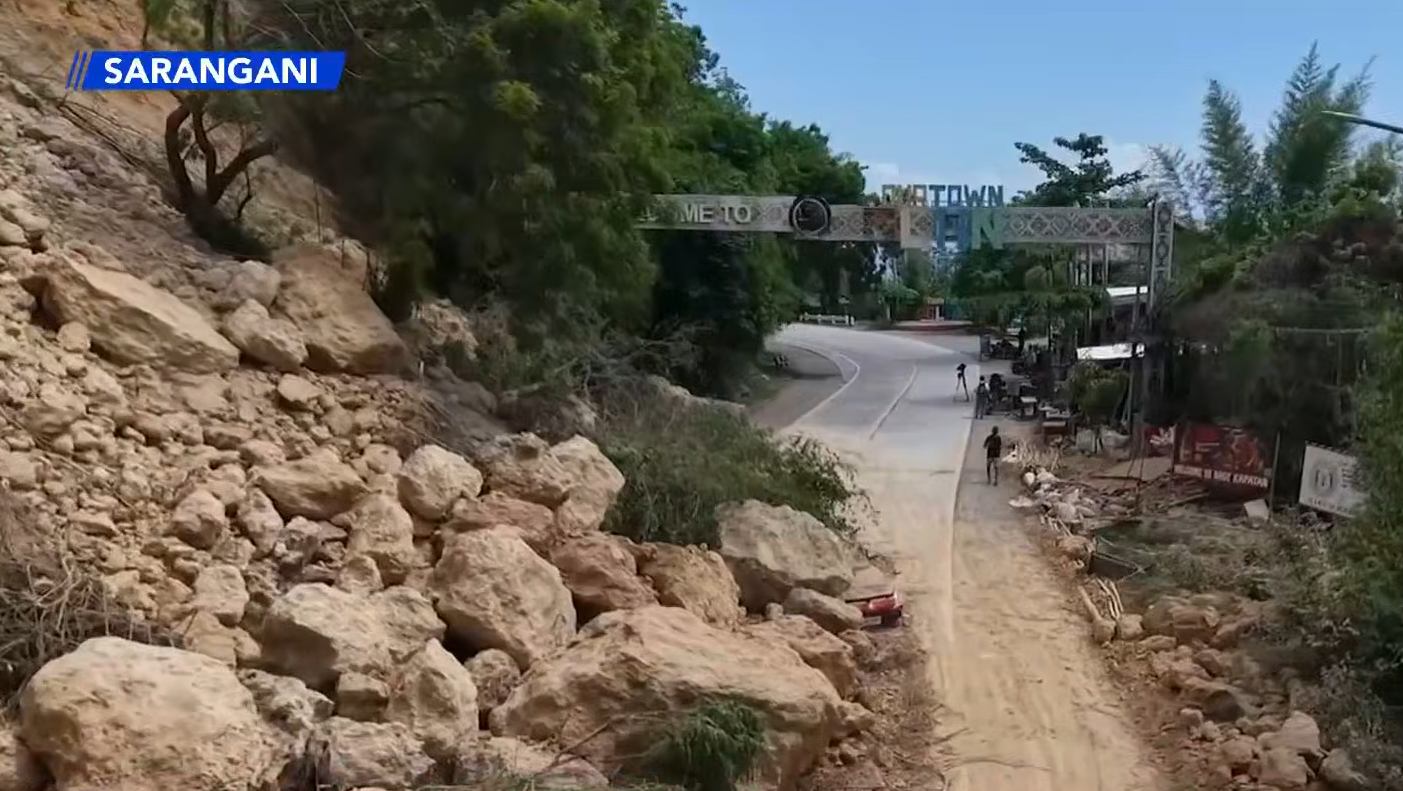
The ground has finally stopped its violent shaking, but for the search and rescue teams deployed across the disaster zone, the real battle has only just begun. In the wake of a powerful earthquake that has claimed at least 55 lives in the Philippines, emergency responders are racing against time under some of the most grueling conditions imaginable. Torrential rains have begun to drench the affected provinces, turning collapsed concrete and shattered soil into treacherous mudslides. Every few hours, the earth trembles again with sharp aftershocks, forcing weary rescuers to temporarily abandon their posts and flee to safety before resuming their desperate search for survivors.
It is a scene of heartbreaking chaos and profound determination. Families gather near the perimeters of collapsed buildings, clutching photos of their missing loved ones, their eyes scanning the rubble every time a rescue dog barks or a team leader calls for silence. The official death toll, which has now climbed to 55, is expected to fluctuate as search operations push deeper into remote, isolated communities that were cut off by landslides.
According to compiled report details from local disaster risk reduction management offices and national news agencies, the logistics of this recovery effort are incredibly complex. The mountainous terrain of the affected regions was already vulnerable, but the combination of a high-magnitude earthquake and subsequent heavy downpours has created a worst-case scenario. Main roads and vital bridges have been rendered impassable by giant fissures and boulders that cascaded down the hillsides. Heavy excavators and search machinery are stuck miles away, forcing rescue teams to rely on basic hand tools, shovels, and their bare hands to dig through the debris.
To understand the gravity of this disaster, one must look at the unique vulnerability of the Philippine archipelago. Sitting squarely on the Pacific "Ring of Fire," the country is no stranger to seismic activity and volcanic eruptions. Yet, no amount of historical familiarity can truly prepare a community for the sheer suddenness of a major earthquake. Unlike typhoons, which can be tracked days in advance, allowing for preemptive evacuations, an earthquake strikes without a whisper of warning. In a matter of seconds, homes built over decades are reduced to dust, and lively neighborhoods are transformed into disaster zones.
Communication networks were also severely disrupted in the initial hours of the quake, leaving many families in the dark about the safety of their relatives. Power lines snapped, plunging entire municipalities into darkness, which complicated the rescue operations during the crucial first night when survivors could have been more easily located by their cries for help.
In the evacuation centers, the situation is growing increasingly dire. Thousands of displaced residents are crammed into temporary shelters, school gymnasiums, and open-air plazas, shielded only by tarpaulins from the relentless rain. Local government units are doing their best to distribute food packs, clean drinking water, and hygiene kits, but the blocked roads are severely strangling the supply lines. There is a palpable fear of waterborne diseases spreading in the crowded camps, prompting health officials to issue urgent appeals for medical supplies and portable sanitation facilities.
Despite the overwhelming adversity, the spirit of "bayanihan"—the traditional Filipino culture of communal unity and cooperation—has once again emerged in full force. Neighbors who lost their own homes are seen helping others clear debris. Volunteers from nearby unaffected towns have driven as close as they can to the disaster zones, carrying home-cooked meals and dry clothes for the survivors and rescue workers. Private organizations and civic groups are also mobilizing donation drives, demonstrating that when the earth shakes, the nation's resolve only strengthens.
The national government has announced the release of emergency calamity funds to aid in the immediate relief and eventual rehabilitation of the stricken areas. However, distributing these funds and translating them into physical aid on the ground is a process fraught with administrative and physical bottlenecks. Meanwhile, international humanitarian organizations are beginning to coordinate with local authorities to provide specialized search-and-rescue equipment, structural engineers to assess the safety of standing buildings, and psychosocial support for survivors dealing with acute trauma.
As the hours tick away, the window of viability for finding survivors beneath the rubble is rapidly closing. Yet, the rescue teams refuse to give up hope. Armed with thermal imaging cameras, canine units, and an unwavering commitment to public service, they continue to dig through the mud and concrete, even as the rain pours down and the earth threatens to move once more. This tragedy serves as a stark, painful reminder of the critical importance of strict building code enforcement, robust disaster preparedness programs, and the urgent need to support the brave first responders who risk their lives on the front lines of climate and geological crises.
Data sourced from local disaster management monitoring networks and regional news dispatches.