

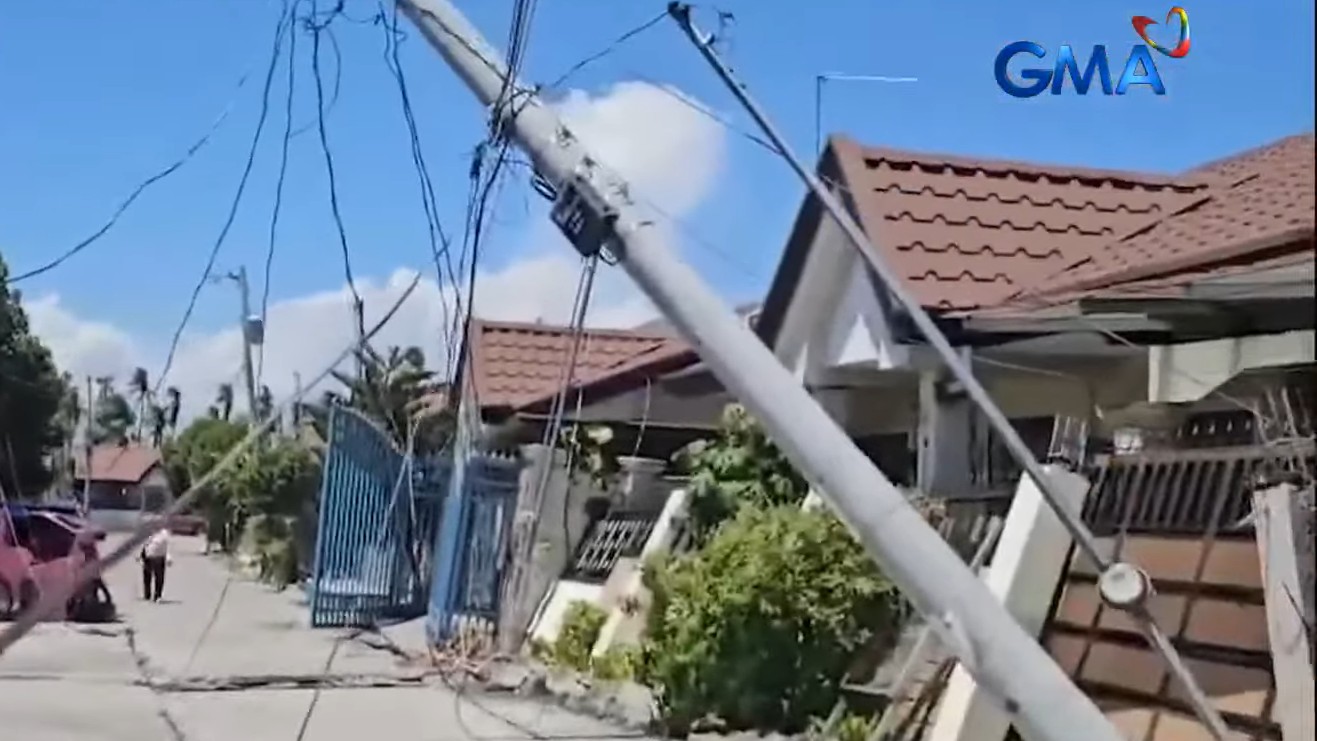
The earthquake, which struck the area with a significant force, was felt across various regions, prompting immediate responses from local authorities and disaster management agencies. As the tremors continue, the PHIVOLCS urges the public to remain vigilant, emphasizing the unpredictability of aftershocks that can occur in the days, weeks, or even months following the initial event.
Residents have reported feeling numerous tremors, some of which were strong enough to cause panic and anxiety. The psychological impact of such an event is often overlooked, yet it plays a crucial role in community resilience. Families are taking precautions, reinforcing their homes, and developing emergency plans as they navigate this uncertain period. Local schools have also stepped up their safety drills, preparing students and staff for potential future incidents.
In the wake of the earthquake, the government has mobilized resources to assess damage and provide necessary aid to affected communities. Emergency response teams have been deployed to the hardest-hit areas to assist in recovery efforts. These teams are working tirelessly to ensure that those displaced or affected can receive immediate support, including food, shelter, and medical attention.
The aftershocks present a unique challenge for those in the region. While many may feel that the worst is over, PHIVOLCS warns that the potential for significant aftershocks remains high. This uncertainty can lead to increased anxiety and stress for residents who are already grappling with the initial impact of the earthquake. It is vital for individuals and families to stay informed and prepared, as knowledge and readiness can greatly mitigate the risks associated with seismic activity.
Community gatherings and meetings have emerged as platforms for sharing information and experiences, fostering a sense of solidarity among residents. These gatherings not only provide a space for discussing the challenges faced but also serve as opportunities for community leaders to relay important safety information. Engaging communities in conversations about disaster preparedness is essential, especially in a country like the Philippines, which is prone to natural disasters.
As the situation unfolds, the importance of proper education regarding earthquakes cannot be overstated. Schools and community organizations are encouraged to provide resources that teach people about earthquakes, how to respond, and the importance of having emergency kits ready. Preparing for such natural disasters is not just about immediate response but also about long-term resilience and recovery.
The road to recovery will undoubtedly be long, and it is essential for the government and non-governmental organizations to collaborate closely to ensure that affected communities receive the support they need. This includes not only physical rebuilding but also psychological support, helping individuals cope with the trauma of such a life-altering event.
According to a report by GMA News, the government is also focusing on enhancing its disaster response protocols to better prepare for future seismic events. This includes upgrading existing infrastructure to withstand earthquakes and investing in technology that can provide early warnings to residents. As we move forward, it is a reminder of the fragile nature of our environment and the need for continuous preparation and vigilance against natural disasters.
In conclusion, the aftermath of the Mindanao earthquake serves as a poignant reminder of the power of nature and the resilience of the human spirit. As the aftershocks continue, it is crucial for communities and individuals to stay informed, engaged, and prepared. Together, we can face the challenges that lie ahead and emerge stronger from this experience.