

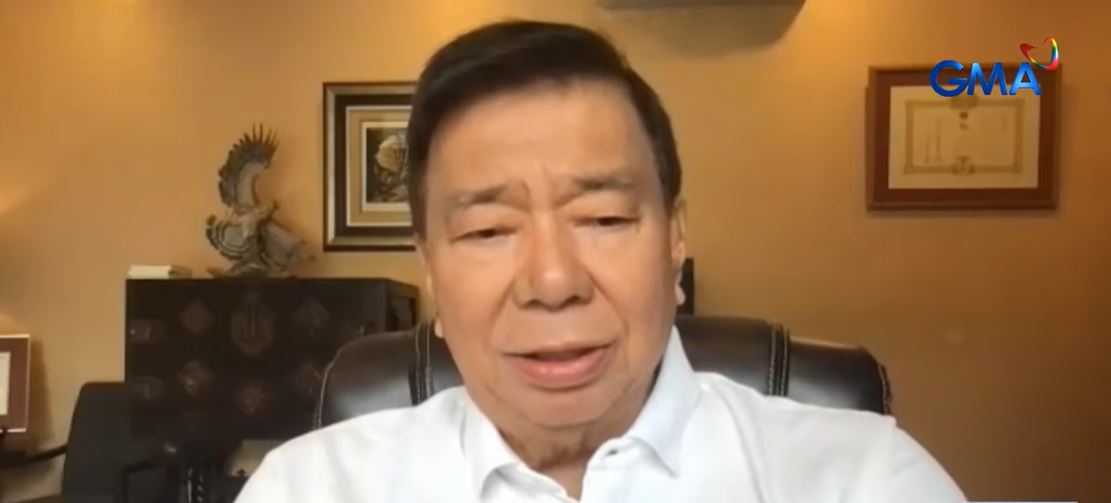
Drilon's plea comes at a time when unity in the Senate is crucial for the administration's agenda, particularly as the country faces numerous challenges ranging from economic recovery to pressing social issues. The discord among senators has raised concerns about the legislative process and the ability to pass vital laws that affect the everyday lives of Filipinos. With factions forming and opposing views becoming more pronounced, the stability of the Senate is at stake.
Historically, the Senate has been a battleground for various political factions, but the current situation appears more fragmented than in previous years. The rivalry among senators is not just a matter of personal ambition; it reflects broader ideological divides that could shape the future of legislative priorities in the Philippines. Drilon, who has been a prominent figure in Philippine politics for decades, understands the need for a strong and decisive leadership amidst such turmoil.
In his statement, Drilon emphasized that the President's involvement could serve as a unifying force, potentially easing tensions and fostering a collaborative environment. He argued that the President has the authority and responsibility to ensure that the Senate functions effectively, especially during such a critical juncture in the nation's history. The call for Marcos to step in is not merely a reaction to current disputes but also a recognition of the role that the executive branch plays in legislative affairs.
The implications of a divided Senate are far-reaching. If rival factions continue to clash, the legislative process may slow down significantly, hindering the government's ability to respond swiftly to the needs of the populace. Issues such as healthcare, infrastructure development, and economic reforms require prompt attention and decisive action. A fragmented Senate could jeopardize these initiatives, leaving citizens frustrated and disillusioned with their elected officials.
Moreover, Drilon's remarks come in the context of a broader narrative surrounding governance in the Philippines. As the nation seeks to recover from the impacts of the pandemic and address long-standing socio-economic issues, the effectiveness of the Senate becomes increasingly vital. The political landscape is shifting, and the ability of leaders to navigate these changes will determine the future trajectory of the country.
As the situation unfolds, the eyes of the public and political analysts alike will be on how President Marcos responds to Drilon's call. Will he take the necessary steps to mediate the conflicts within the Senate, or will the rival factions continue to vie for power unchecked? The answers to these questions will not only impact the Senate's functionality but also resonate throughout the broader political fabric of the Philippines.
In the coming days, we can expect discussions around potential reforms in Senate leadership and the possibility of new alliances forming. As citizens, it is crucial to stay informed and engaged with these developments, as they have the power to shape the future of governance in our nation. According to a report by GMA News, the dynamics within the Senate are a reflection of the larger political climate, and every Filipino should be aware of the implications that these leadership disputes could have on their daily lives.