

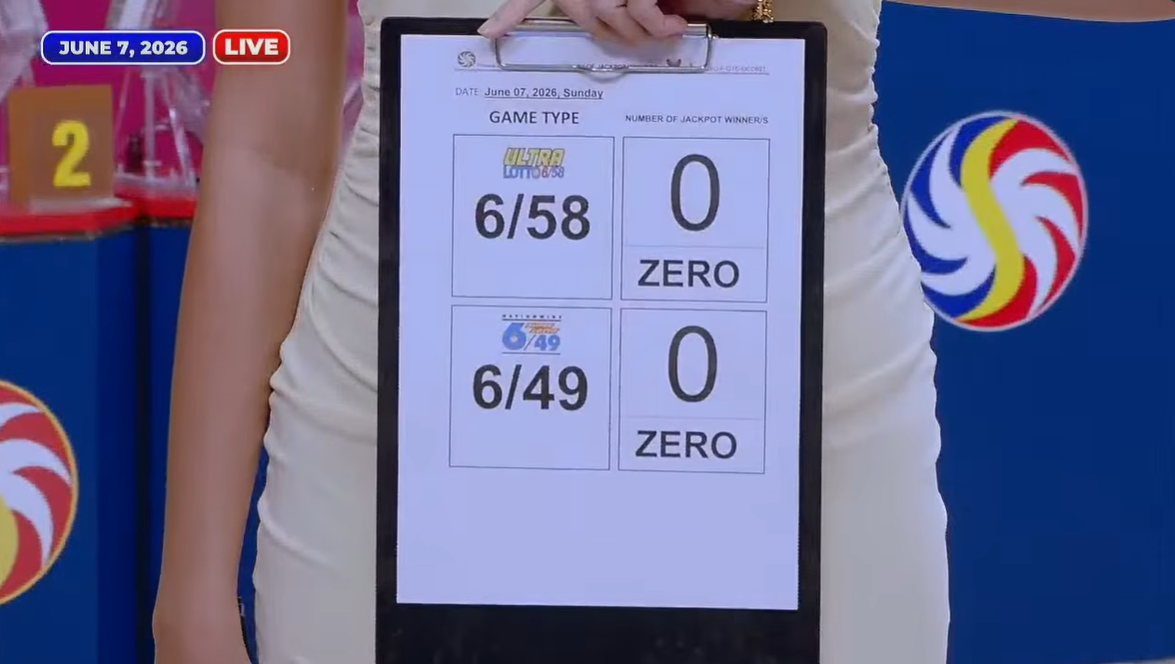
There is a unique kind of magic in holding a small piece of thermal paper with six printed numbers. For millions of Filipinos, that ticket is not just a receipt; it is a portal to a different life. On the evening of June 7, 2026, hope ran high across the country as the Philippine Charity Sweepstakes Office (PCSO) prepared to draw the winning combinations for its major lotto games. However, when the machines stopped spinning and the official results were declared, the outcome was clear: the elusive jackpots remained untouched. No single bettor managed to match the winning combinations, ensuring that the grand prizes would roll over, growing even larger and more tantalizing for the next round of dreamers.
According to a report by GMA News, the major lottery draws scheduled for this Sunday evening concluded without any jackpot winners. This announcement immediately sparked a wave of collective sighs across betting stations and social media feeds, but it also quickly transformed into renewed excitement. In the world of PCSO lotteries, a rollover is never truly a disappointment; rather, it is an invitation to dream bigger. As the prize pools accumulate, the next draw promises to attract even larger crowds of hopeful participants eager to try their luck.
For decades, the lottery has been deeply woven into the cultural fabric of the Philippines. From bustling urban centers like Metro Manila to quiet, remote barangays in the provinces, lotto outlets are a common sight. You can find them tucked beside sari-sari stores, inside modern shopping malls, or near busy transport terminals. On days when the jackpot reaches stratospheric heights, the queues at these booths snake down the block, bringing together people from all walks of life. Corporate professionals in business attire stand side-by-side with jeepney drivers, market vendors, and retirees, all sharing the same quiet hope that their chosen numbers—often a mix of birthdays, anniversaries, and lucky premonitions—will be the ones to change their destiny.
This collective pursuit of a better life extends far beyond the physical borders of the archipelago. Overseas Filipino Workers (OFWs) residing in the Middle East, Europe, North America, and other parts of Asia frequently participate in this national pastime. It is a common practice for OFWs to message their relatives back home, sending specific number combinations and the funds to buy tickets on their behalf. For our modern-day heroes abroad, winning the lotto represents the ultimate ticket home—an opportunity to reunite permanently with their families, establish stable businesses, and secure the future of their children without the pain of geographical separation.
While the dream of overnight wealth is what draws people to the betting booths, the PCSO lottery system serves a much broader, highly critical social purpose. A significant portion of every ticket sold does not go into the prize pool or administrative costs; instead, it is funneled directly into the PCSO Charity Fund. This fund is a vital lifeline for millions of marginalized Filipinos. It finances the Individual Medical Assistance Program (IMAP), which provides crucial financial aid for chemotherapy, radiation therapy, dialysis treatments, post-transplant medications, and expensive hospital bills. When someone buys a lotto ticket, they are not just taking a gamble on their own future; they are also contributing to a nationwide safety net that helps fellow citizens in their darkest hours of medical crisis. This dual nature of the lottery—combining personal aspiration with public charity—lends it a unique moral standing in the hearts of the public.
Historically, some of the most memorable moments in Philippine pop culture have centered around massive lotto jackpots. Whenever the prize money breaches the half-billion-peso mark, a palpable energy grips the nation. People begin to playfully map out how they would spend their hypothetical winnings, debating whether to buy prime real estate, invest in local enterprises, or donate generously to church groups and local orphanages. The thrill of the 'what if' is a powerful force, offering a temporary escape from the daily grind and economic challenges of modern life.
With the June 7, 2026 draws yielding no jackpot winners, the stage is set for an even more dramatic follow-up. The prize money will continue to swell, and with it, the feverish anticipation of the public. As the next draw approaches, the pens at lotto outlets will be busy once more, marking bubbles on slip after slip. Whether the next winner is a hardworking father in Visayas, a dedicated teacher in Mindanao, or an OFW hoping to finally pack their bags for home, the nation will be watching closely, waiting for the moment when lives are transformed in an instant.
Data sourced from GMA News.