

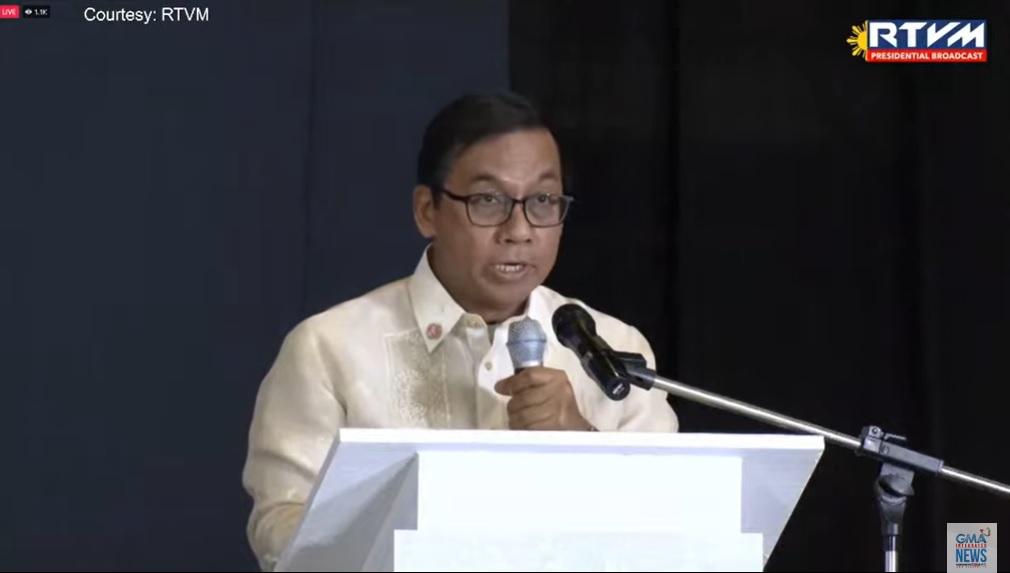
Recognizing this critical gap in public safety, Department of Science and Technology (DOST) Secretary Renato Solidum has issued a vital call to action. He urges local government units (LGUs) and educational institutions to become active vehicles for disaster preparedness by providing citizens with accessible, earthquake-resilient housing designs. This initiative, as detailed in reports from GMA News, highlights a crucial shift from disaster response to proactive mitigation.
For generations, the dream of owning a home in the Philippines has often been pursued through informal means. Many residential structures, particularly in low-to-middle-income neighborhoods, are classified as "non-engineered." These houses are built without the formal oversight of structural engineers or architects, relying instead on the practical but often incomplete knowledge of local builders or "pandays." While these builders work with the best intentions, the materials used—such as substandard concrete hollow blocks and insufficient steel reinforcements—frequently fail to meet the rigorous demands of the National Building Code.
This is where Secretary Solidum believes local government units must step in. LGUs are not just administrative bodies; they are the first line of defense for their constituents. By actively distributing pre-approved, earthquake-resilient housing blueprints and structural guidelines, local governments can empower residents to build safer homes. Imagine a system where a resident applying for a building permit is handed a set of free, easy-to-understand, and scientifically tested designs tailored for seismic resilience. This simple intervention could prevent the catastrophic structural failures that turn moderate earthquakes into deadly disasters.
However, changing how we build homes requires more than just distributing blueprints; it requires shifting the cultural mindset. This is why Solidum is also pointing toward our schools. By integrating structural safety and disaster-resilient concepts into the educational curriculum, we can cultivate a safety-first mindset in the next generation. Students who understand the basic physics of how buildings sway and resist seismic forces can carry this knowledge back to their families. They can ask the right questions at the dinner table: Is our house safe? Did we use enough steel rebars when we added that second floor?
Historically, agencies like the Philippine Institute of Volcanology and Seismology (PHIVOLCS) have developed tools to help the public assess their homes, such as the "How Safe Is My House?" self-assessment checklist. Yet, these tools only work if the public knows they exist and understands how to apply them. Combining the scientific expertise of the DOST with the grassroots reach of LGUs and the educational capacity of schools creates a powerful network of resilience.
Building resiliently does not have to be prohibitively expensive. A common misconception is that earthquake-proofing a house is a luxury only the wealthy can afford. In reality, adhering to standard engineering principles—such as using the correct ratio of sand, gravel, and cement, and properly spacing steel reinforcements—adds only a marginal cost to construction but yields immeasurable returns in saving human lives.
As urbanization continues to sweep across the country, the density of our residential areas increases, making the stakes higher than ever. The "Big One"—a catastrophic earthquake along the West Valley Fault or other major fault systems—remains a looming threat. We cannot control when the earth will shake, but we have complete control over how we prepare our structures.
Through the collaborative efforts of the DOST, proactive municipal offices, and forward-thinking schools, the Philippines can transition from a state of vulnerability to one of enduring strength. It is time to treat disaster resilience not as an afterthought, but as a fundamental human right built into the very foundations of our homes.
Data sourced from GMA News.