

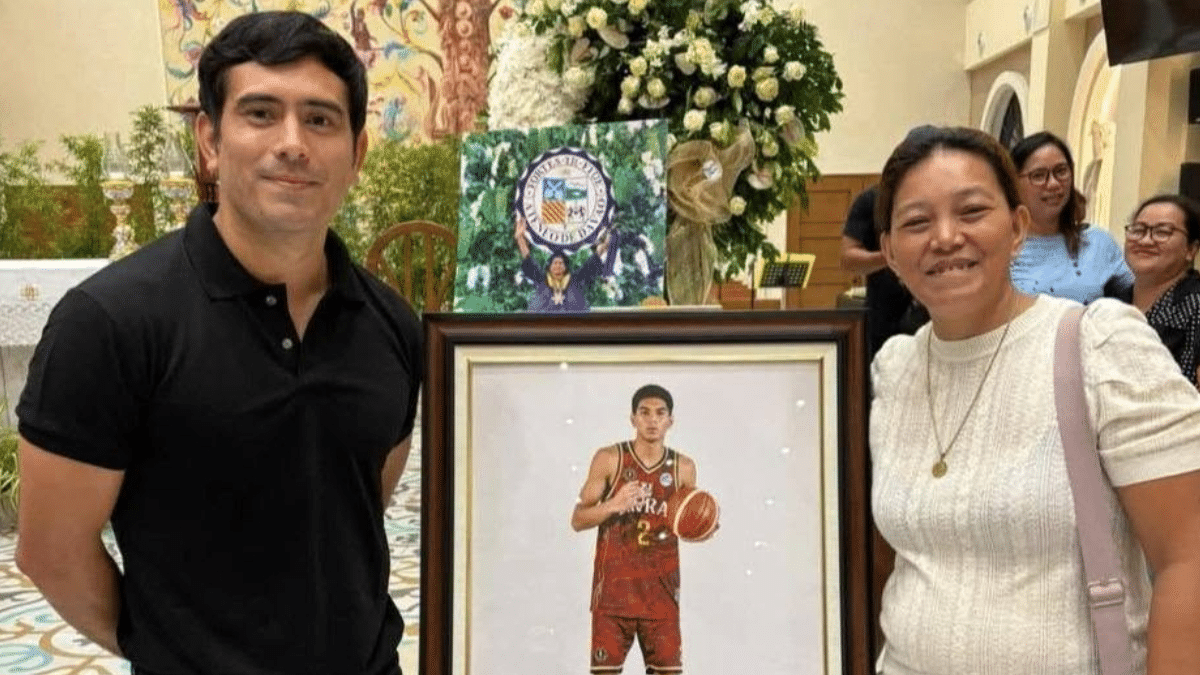
Rene Baterbonia's untimely passing left a void not only in the hearts of his family and friends but also within the Ateneo de Davao Blue Knights basketball community. Coach Jess Linus Evangelio, who is a figure of inspiration and guidance for many young athletes, took to social media to express his gratitude towards Gerald for showing up in person to honor Rene's memory. In his post, he shared a poignant photograph that encapsulated the somber yet supportive atmosphere at the wake.
This moment serves as a powerful reminder of the bonds that are formed in sports and the values that are instilled in young athletes. Gerald's presence at the wake symbolizes more than just a tribute; it highlights the importance of community and support during trying times. The Blue Knights, known for their tenacity and spirit, have always emphasized the significance of teamwork, resilience, and compassion—traits that Rene embodied during his time with the team.
The mourning community is coming together not only to remember Rene but also to celebrate his achievements and the bright future that was tragically cut short. Baterbonia was recognized not just for his skills on the court but also for his character off it. His dedication to his teammates and his passion for the game made him a beloved figure among peers and coaches alike.
As we reflect on such a loss, it's crucial to acknowledge the role of mentors like Coach Jess Evangelio, who dedicate their lives to shaping the futures of young athletes. Coaches are not merely instructors; they are pillars of support, often guiding their players through both victories and adversities. The lessons learned on the court often extend into life, teaching resilience, teamwork, and respect—values that are essential in all aspects of life.
Gerald Anderson’s visit speaks volumes about the solidarity that exists within the sports community. It serves as a reminder that even in moments of grief, there is a collective strength that binds individuals together. As fans and supporters share their condolences and memories of Rene, they are also reinforcing the ideals that he stood for—perseverance, passion, and the spirit of camaraderie.
In the days following this event, discussions surrounding the importance of mental health and support systems for young athletes have emerged. The tragic loss of a promising young talent like Rene brings to light the critical need for dialogue around these issues. Athletes often face immense pressure, and it’s essential that they have access to the resources and support necessary to navigate challenges, both on and off the field.
As the community continues to mourn, it is also a time for reflection on how we can better support young athletes. Schools, coaches, and families must work together to foster environments where young people feel valued and understood. This incident serves as a wake-up call to ensure that every athlete, every student, and every young person knows that they are not alone in their struggles.
The legacy of Rene Baterbonia will undoubtedly live on in the hearts of those who knew him. As we remember him, let us also commit to being more than just spectators in the lives of young athletes; let us be active participants in their journeys, offering support, guidance, and love. According to a report by Bandera, as the community heals, it becomes imperative to prioritize the well-being of our youth, ensuring that they can thrive both in sports and in life.