

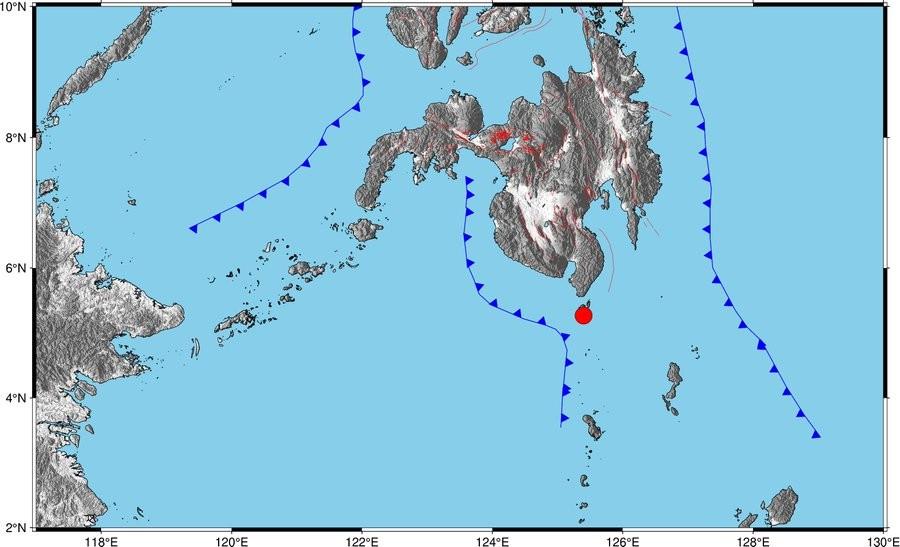
A recent earthquake has struck offshore Davao Occidental, causing concern among locals and prompting a review of disaster preparedness measures in the region. According to a report by GMA News, the magnitude 5.0 earthquake was recorded offshore Balut Island, Sarangani, Davao Occidental on Saturday morning. This significant seismic event serves as a reminder of the importance of being prepared for natural disasters and the need for effective emergency response plans.
The Philippines is located in the Pacific Ring of Fire, making it prone to earthquakes and other seismic activities. The country has experienced numerous devastating earthquakes throughout its history, resulting in loss of life and significant damage to infrastructure. As such, it is crucial for communities to be aware of the risks associated with earthquakes and to take proactive steps to mitigate their impact.
In the aftermath of the recent earthquake, local authorities have urged residents to remain calm but vigilant, emphasizing the importance of being prepared for any eventuality. This includes having a disaster emergency kit, knowing evacuation routes, and being aware of emergency contact numbers. By taking these simple yet effective measures, individuals can significantly reduce their risk of injury or harm in the event of an earthquake.
The Philippine government has also implemented various initiatives aimed at enhancing disaster preparedness and response capabilities. These initiatives include the conduct of regular earthquake drills, the establishment of early warning systems, and the provision of training for emergency responders. Furthermore, the government has invested in the development of infrastructure designed to withstand strong earthquakes, such as earthquake-resistant buildings and bridges.
In addition to these efforts, there is a growing recognition of the importance of community involvement in disaster preparedness and response. This includes the establishment of community-based early warning systems, where residents are trained to identify early signs of an impending earthquake and to alert their neighbors. By empowering communities to take ownership of their disaster preparedness, the government can leverage local knowledge and resources to enhance its response capabilities.
As the Philippines continues to grapple with the challenges posed by earthquakes and other natural disasters, it is clear that a multi-faceted approach is needed to address these issues. This includes not only the implementation of effective emergency response plans but also the promotion of community awareness and involvement in disaster preparedness. By working together, we can reduce the risks associated with earthquakes and create a safer, more resilient environment for all.
Data sourced from GMA News.