

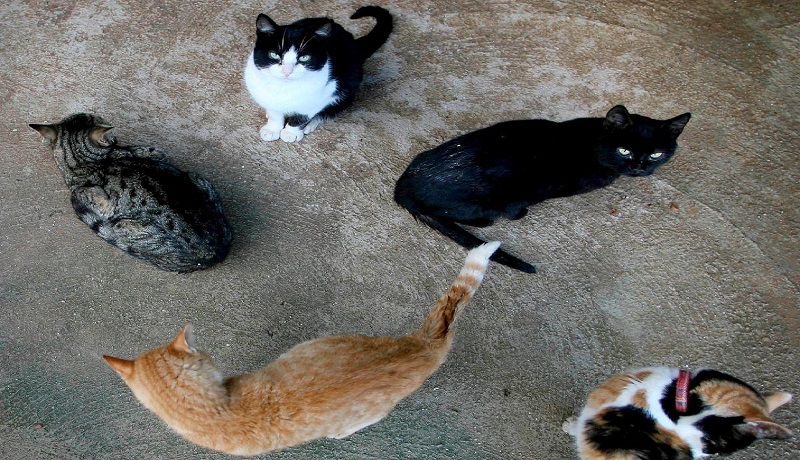
As the story goes, the authorities received a tip-off about the underground operations that had been taking place in the shadows of cities and towns across Vietnam. Cats, often stolen from their homes or abandoned, were being rounded up and transported in deplorable conditions, facing a fate that no pet should ever endure. The rescue operation, which was no small feat, saw authorities working alongside brave volunteers who risked their safety to ensure these animals could be saved.
Among the rescued cats, 40 have been successfully returned to their original owners, offering a glimmer of hope to families who feared their beloved pets were lost forever. This heartwarming reunion not only brings joy to the households involved but also underscores the emotional bonds that exist between pets and their humans. It’s a reminder that every cat has a story and a life that deserves to be cherished.
The animal rights group involved in the rescue has expressed gratitude towards the authorities for their swift action and commitment to ending such inhumane practices. They emphasize that this incident is part of a larger issue regarding animal welfare in Vietnam, where the consumption of cat meat remains controversial and largely opposed by animal lovers both locally and globally.
As the public responds to this event, discussions are brewing about the cultural significance of consuming cat meat versus the growing advocacy for animal rights. Many are calling for stricter laws and regulations to protect pets from such cruel fates. The challenge now lies in changing perceptions and behaviors, paving the way for a future where animals are treated with the respect and compassion they deserve.
In recent years, there has been a noticeable shift in attitudes toward pets in Vietnam. With increasing awareness of animal rights and welfare, more people are speaking out against the consumption of dog and cat meat. This cultural evolution is driven by the younger generation, who view pets more as family members rather than livestock.
The rescue of these 400 cats is not just a victory for animal rights but also a pivotal moment for societal change. It challenges longstanding traditions and provokes necessary conversations about ethics and compassion. The plight of these cats has ignited a fire in the hearts of many, calling for a united front against animal cruelty.
As we reflect on this event, we must consider our role in advocating for those who cannot speak for themselves. Supporting local animal shelters, spreading awareness about the importance of spaying and neutering pets, and standing against illegal activities that harm animals are just a few ways we can contribute to this cause.
Ultimately, the story of these 400 cats is a testament to resilience and hope. It reminds us that change is possible, and that every effort counts in the fight for animal rights. Let us continue to support initiatives that prioritize the well-being of all creatures, ensuring that similar rescues will become a rarity rather than a necessity.
According to a report by GMA News, the ongoing efforts to combat animal cruelty are crucial in shaping a more humane society, where all beings can coexist peacefully.