

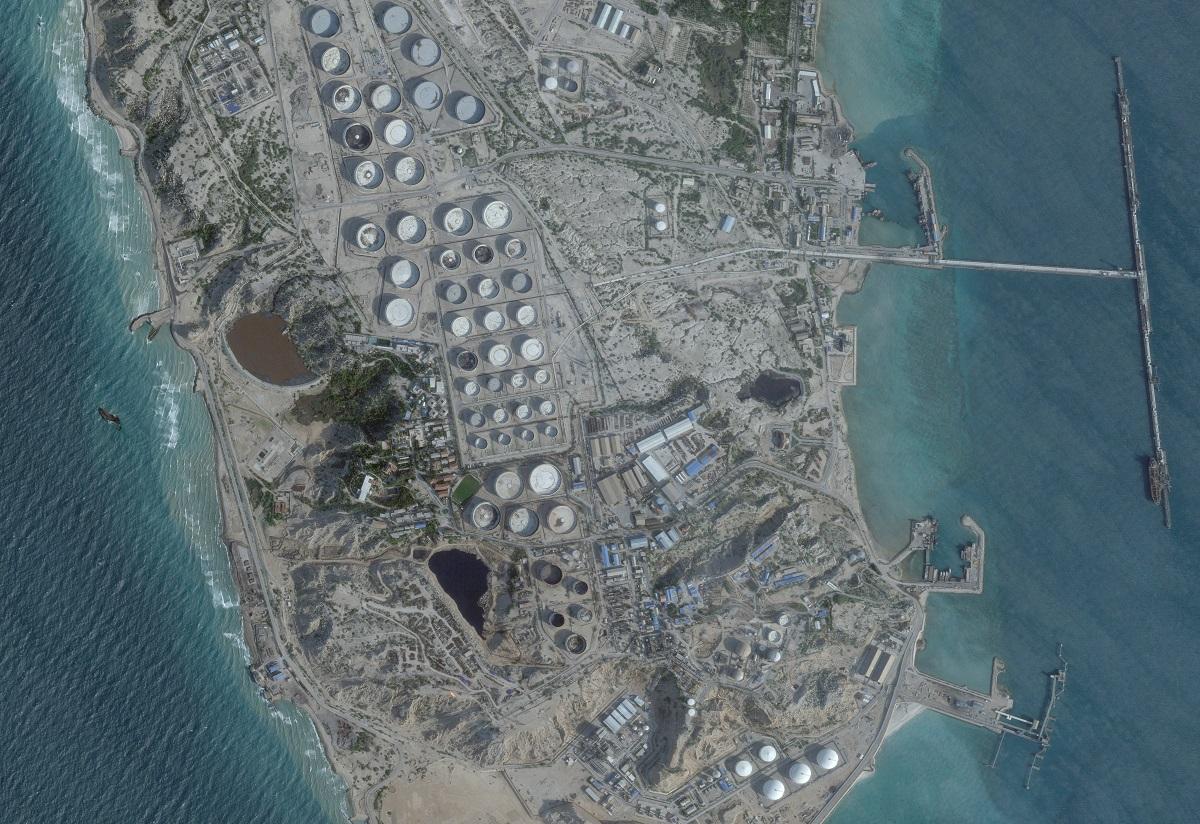
Trump's comments have sparked a flurry of reactions from both political analysts and international relations experts. On one hand, his statement could be seen as a strategic maneuver to assert U.S. dominance in the region, while on the other, it raises concerns about the potential for escalating military conflict. The President noted a hesitance among Americans for a major escalation in the ongoing tensions with Iran, suggesting that while there may be strategic interests at play, the American public might not be ready for the consequences of such actions.
As the situation unfolds, it’s essential to consider the historical context surrounding U.S.-Iran relations. The Iranian Revolution of 1979 marked a significant turning point, leading to decades of animosity and diplomatic standoffs. The U.S. has imposed various sanctions on Iran, particularly targeting its oil industry, which has been a focal point of contention. Trump's administration has often characterized Iran as a destabilizing force in the Middle East, yet taking over an oil hub could lead to unprecedented military and diplomatic fallout.
Moreover, the geopolitical landscape of the Middle East is intricate, with various players involved, including Russia and China, who have vested interests in Iran. Any unilateral action by the U.S. could provoke these nations and lead to a broader conflict that may involve more than just Iran. The economic implications of such a move cannot be overlooked either; the global oil market is sensitive, and any disruption could lead to significant price fluctuations, affecting economies worldwide.
The potential for a military escalation raises numerous questions about the future of U.S. involvement in the region. Will the American public support such a move? What are the potential consequences of attempting to take control of a foreign oil infrastructure? These are questions that policymakers will need to address carefully.
As we monitor this developing story, it’s crucial to stay informed and consider the broader implications of Trump's statements on international relations and global stability. The stakes are high, and the world watches closely as the U.S. navigates its complex relationship with Iran.
According to a report by GMA News, the situation remains fluid, with ongoing discussions among U.S. officials about the best approach to take regarding Iran's oil exports and the broader geopolitical ramifications.