

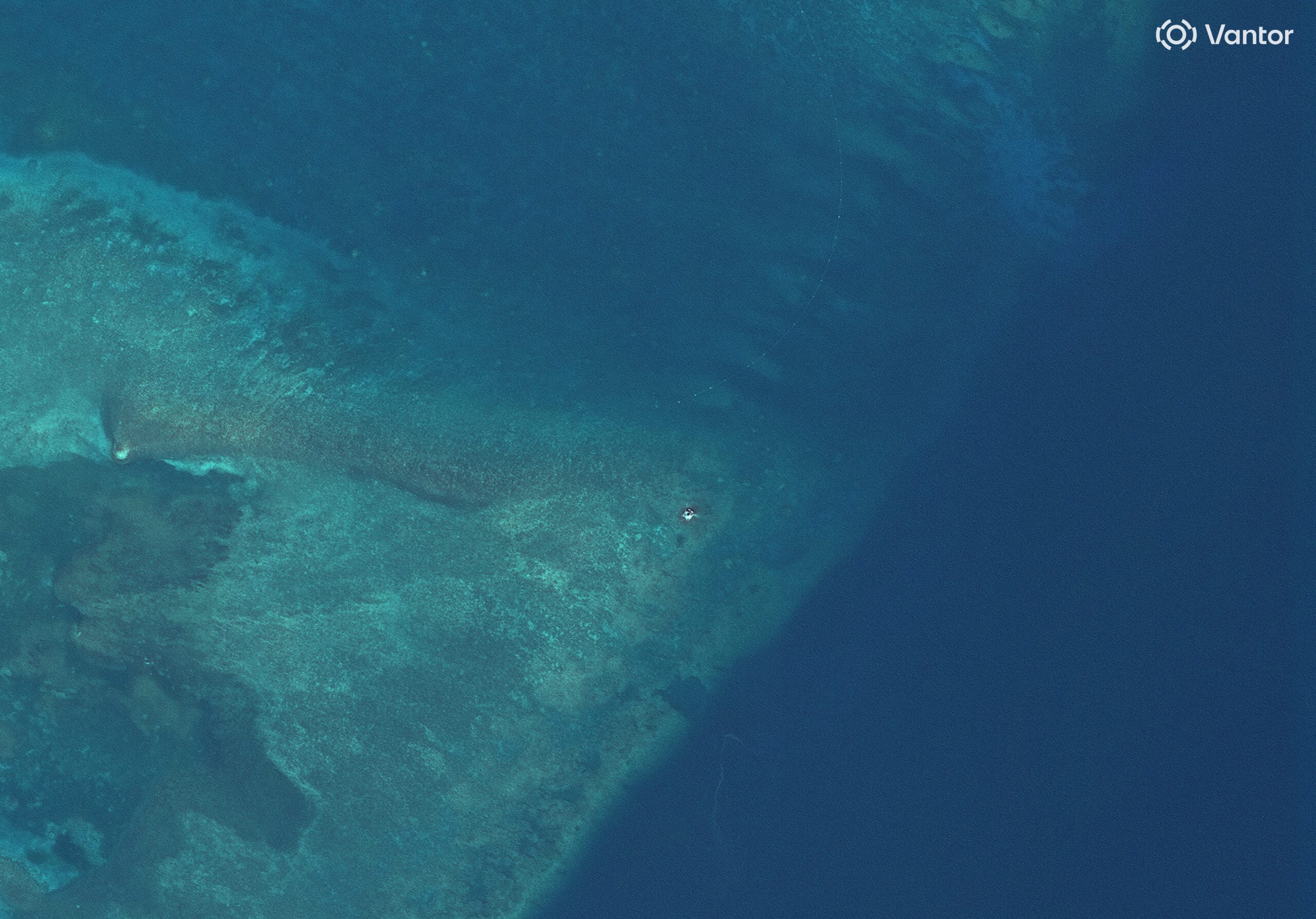
The timing of these sanctions is particularly noteworthy. As the Philippines continues to strengthen its defense ties with the United States, particularly in light of rising security concerns in the South China Sea, such actions from China may be viewed as a direct response to Manila's increasingly close alignment with Washington. The South China Sea has been a longstanding contentious area, with both China and the Philippines claiming rights over various islands and waters. The imposition of sanctions on a key figure in the Philippine government signals China's discontent with Manila's foreign policy maneuvers.
Teodoro, a prominent figure in Philippine politics and a former congressman, has been vocal about the need for the Philippines to bolster its defense capabilities amid regional tensions. His appointment as Defense Secretary was seen as a strategic move by President Ferdinand Marcos Jr. to enhance the country’s security posture. However, the sanctions raise questions about how the Philippines will navigate its foreign policy in the face of such challenges. How will the government respond to these sanctions, and what implications will they have for the Philippines' diplomatic stance?
This scenario is not just about sanctions; it embodies a larger narrative of shifting alliances and the delicate balance of power in Southeast Asia. Local analysts are now pondering the impact of these sanctions on the Philippines' defense strategy and its overall relationship with China. The sanctions come at a time when the Philippines is actively seeking to modernize its military capabilities and strengthen its defense partnerships with allies. The question on everyone's mind is whether these sanctions will deter the Philippine government from pursuing closer ties with the United States or encourage it to double down on its defense initiatives.
Moreover, the sanctions could potentially affect bilateral trade and economic relations between China and the Philippines. As both nations are economically intertwined, particularly in sectors such as agriculture, infrastructure, and tourism, the implications of this diplomatic fallout could be significant. Filipino businesses have long relied on the Chinese market, and any restrictions on trade could impact various sectors, leading to economic repercussions.
Public sentiment in the Philippines towards China has been mixed, with historical grievances and recent territorial disputes fueling skepticism about Beijing's intentions. The Duterte administration’s pivot towards China was marked by promises of investments and economic collaboration, but the current government seems to be recalibrating its approach. As the situation unfolds, it will be crucial for the Philippine government to communicate its stance to the public, ensuring that citizens are informed about the implications of these sanctions and the government's strategy moving forward.
In conclusion, the sanctions against Defense Secretary Gibo Teodoro represent a pivotal moment in Philippine-China relations and raise significant questions about the future of the country's defense policy and international alliances. As analysts and policymakers sift through the ramifications of this development, one thing is clear: the road ahead will be complex and fraught with challenges that require careful navigation.
According to a report by Rappler...