

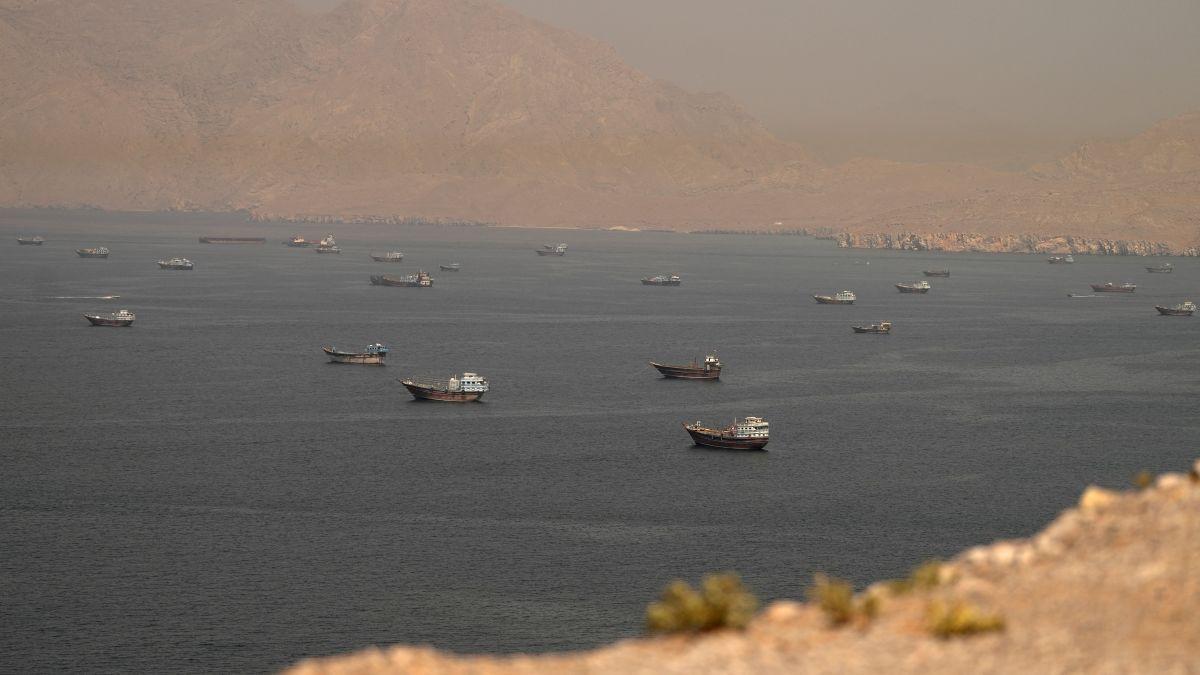
The incident that triggered this suspension involves an unnamed vessel, which has prompted fears regarding the broader implications for international shipping in the region. The attack underscores the volatility that has characterized the waters of the Strait of Hormuz, especially in light of ongoing tensions related to Iran's maritime activities. These tensions have escalated in recent years, with various nations, including the U.S., expressing concerns about Iran's influence and military maneuvers in the region.
This suspension of UN escorts marks a pivotal point in efforts to ensure safe passage for vessels navigating these waters. Until now, the UN's involvement has provided a semblance of security amid the growing threats posed by regional conflicts and hostile actions. However, with the escort operations paused, shipowners and operators are left to grapple with the heightened risks of navigating through the Strait.
The implications of this suspension extend beyond immediate security concerns. It raises critical questions about the effectiveness of existing diplomatic efforts to mitigate tensions in the region. The UN's decision could be seen as a setback for diplomatic initiatives aimed at stabilizing the situation in the Gulf, particularly in light of ongoing discussions surrounding a preliminary deal to end the long-standing Iran conflict. This deal is viewed as a crucial step towards achieving a more peaceful coexistence in the region, but incidents like the recent attack jeopardize these fragile negotiations.
Moreover, the suspension of ship escorts can have economic ramifications. Shipping companies may face increased insurance costs and operational challenges as they navigate the uncertain waters of Hormuz. Such economic pressures could lead to a ripple effect, impacting global oil prices and, consequently, the economies of countries reliant on oil imports. The potential for disruptions in the supply chain is particularly concerning for nations that depend heavily on stable oil supplies.
In light of these developments, stakeholders in the maritime industry, as well as governments around the world, are closely monitoring the situation. Diplomats are likely to engage in urgent discussions to address the security risks and to explore ways to re-establish a framework for maritime safety in the region. It is imperative that all involved parties prioritize dialogue and cooperation in order to prevent further escalations that could lead to more severe consequences.
As the situation continues to evolve, the international community watches with bated breath, hoping for a resolution that ensures the safety of navigation in this critical maritime corridor. The Strait of Hormuz remains a focal point of geopolitical tension, and the actions taken in the coming days and weeks will be crucial in shaping the future of maritime security in the region.
According to a report by GMA News, the stakes have never been higher as nations grapple with the complexities of ensuring safe passage through one of the world's most dangerous waters.