

**Politics: Unpacking the P75 Million Controversy: What the Ombudsman's Findings Mean for Former Rep. Marcoleta**
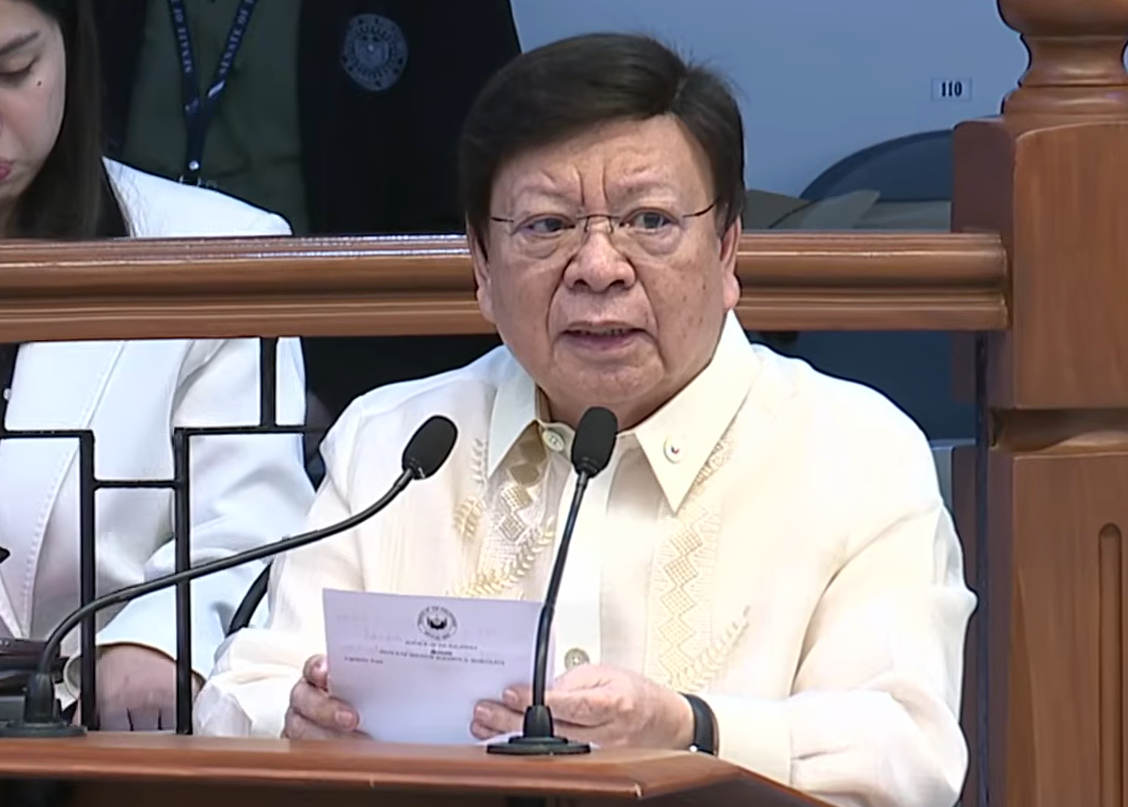
In the high-stakes world of Philippine politics, public trust remains the most volatile currency. Recently, the political landscape shifted slightly when the Office of the Ombudsman released findings alleging that former Sagip party-list representative and current Senator Rodante Marcoleta engaged in what investigators are calling 'unjust enrichment.' At the heart of this legal storm is a staggering P75 million 'gift,' a figure that has sparked intense debate regarding the boundaries of professional conduct, public service ethics, and the accountability of those in power.
To understand the gravity of this situation, one must look at the mechanics of the accusation. According to the Ombudsman’s investigation, the former representative received this substantial sum from three separate individuals. In any ordinary context, a gift of that magnitude would raise eyebrows, but in the realm of governance, it enters the territory of potential legal violations. The Ombudsman has characterized the transaction as 'unconscionable,' a term that suggests not just a potential breach of the law, but a profound lapse in judgment that the public often finds difficult to overlook.
For those who have followed Marcoleta’s long and often combative career in the halls of Congress, this development is particularly jarring. Known for his sharp interrogations and his staunch defense of specific legislative priorities, Marcoleta has long been a fixture of the political discourse. However, when an anti-graft body takes a formal stand, the narrative shifts from policy debate to personal and professional accountability. The Office of the Ombudsman, tasked with being the 'protector of the people,' does not make such allegations lightly. When they move to flag potential unjust enrichment, they are signaling a deep dive into the financial transparency of a public official.
But what does 'unjust enrichment' actually mean in this context? It refers to a scenario where an individual acquires wealth that they are not legally or ethically entitled to, often at the expense of others or through the abuse of their position. When that individual is a lawmaker, the implications are far-reaching. The public rightfully expects that their representatives are focused on crafting laws and improving the socio-economic conditions of the nation, rather than leveraging their office to amass personal fortunes through questionable 'gifts.'
As the legal process begins to churn, many are looking at the broader implications for transparency in government. This case serves as a poignant reminder that no official, regardless of their influence or how many hours they have spent on the legislative floor, is immune to scrutiny. The P75 million figure isn't just a number; it is a symbol of the growing demand for integrity in Philippine institutions. Citizens are increasingly sophisticated, demanding that the wealth of their leaders remains commensurate with their legitimate income.
Throughout the history of Philippine politics, we have seen various officials caught in similar entanglements, often leading to protracted legal battles that define their legacy. Whether this case will lead to a landmark conviction or if the defense will provide a narrative that clears the air remains to be seen. What is clear, however, is that the Ombudsman is asserting a firm stance against what it perceives as the improper blurring of lines between private dealings and public responsibility. For the electorate, this episode is a clarion call to remain vigilant and to continue questioning the sources of wealth that surround those who claim to serve the public interest. As the case moves forward, the legal system will be tested, but the ultimate verdict may well be shaped by the court of public opinion, which holds its leaders to an ever-rising standard of morality and lawfulness. The question remains: how will the political establishment respond, and will this be a turning point for accountability in the current administration?