

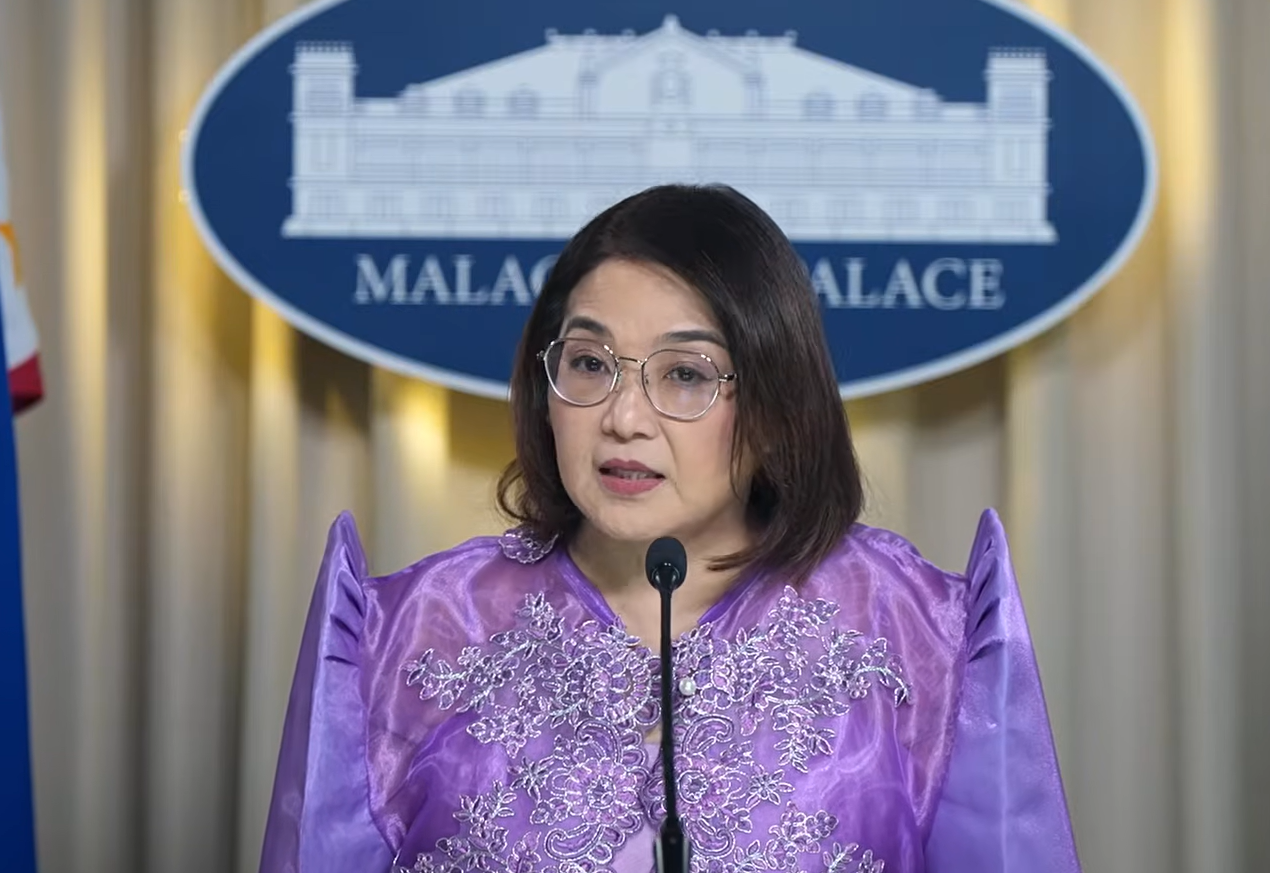
In the midst of a tumultuous political landscape, the Philippines is once again embroiled in a heated debate over the possibility of charter change through a constituent assembly, commonly referred to as con-ass. According to a report by various news outlets, Palace Press Officer Undersecretary Claire Castro has come forward to dismiss allegations that the current administration is pushing for this significant constitutional amendment. Castro's stance is that these claims may be nothing more than a clever ploy to divert the public's attention away from other pressing issues, including the impending impeachment trial of Vice President Sara Duterte.
The con-ass route to charter change involves the House of Representatives and the Senate convening as a single body to propose amendments to the constitution. This method has been a subject of contention in the past, with proponents arguing it is a more streamlined and efficient way to effect change, while opponents raise concerns over potential abuses of power and the undermining of democratic institutions.
To understand the current situation fully, it's essential to delve into the historical context of charter change in the Philippines. The country has experienced several attempts at constitutional reform, each with its unique set of motivations and outcomes. The most recent discussions around con-ass, however, are particularly intriguing given the current political climate and the potential implications for the nation's governance structure.
Undersecretary Castro's statement suggests that the timing of these allegations may not be coincidental. With the Vice President facing an impeachment trial, the administration might be facing significant political challenges. The strategic diversion of public attention could be a tactic to mitigate the political fallout from such trials, by shifting the focus towards a highly controversial and complex issue like charter change.
The Filipino public, known for its political awareness and engagement, is likely to scrutinize these developments closely. The implications of charter change are far-reaching, potentially affecting everything from political power structures to economic policies. As such, any attempts to alter the constitution must be met with rigorous debate and scrutiny to ensure that any changes serve the broader interests of the nation and its people.
In conclusion, while the allegations of pushing for charter change through con-ass may indeed be a tactic to divert public attention, they also underscore the deeper, ongoing discussions about the future of the Philippines' political and legal framework. As the situation unfolds, it will be crucial for citizens, policymakers, and the media to engage in informed and nuanced discussions about these issues. Data sourced from various news reports, including statements from Palace Press Officer Undersecretary Claire Castro.