

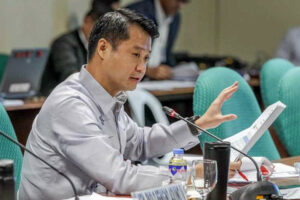
Data sourced from BusinessWorld, recent reports highlight a brewing shift in the upper chamber of the Philippine legislature. The corridors of the Senate are once again buzzing with whispers of a potential leadership transition, as key figures begin to weigh in on the possibility of installing Senator Sherwin T. Gatchalian as the next Senate President. At the center of this developing narrative is Senate Minority Leader Vicente C. Sotto III, who recently went on the record to claim that he was among the first to float the idea of Gatchalian taking the helm. But why now? And what does this suggest about the current state of our legislative politics?
To understand the gravity of these talks, one must look at the broader atmosphere surrounding the Senate. Leadership in the upper house is never just about administrative duties; it is the heartbeat of political stability in the country. Lately, there has been a palpable sense of unease regarding the credibility and coherence of the current legislative agenda. When seasoned parliamentarians like Tito Sotto begin discussing potential successors, it isn't merely academic speculation—it is a signal that the current arrangement is facing significant scrutiny. The pressure for a leadership change is rarely born out of thin air. Instead, it is usually the culmination of behind-the-scenes debates concerning policy direction, legislative independence, and the delicate balance of power between different political factions.
Senator Gatchalian has long been a fixture in the Senate, particularly known for his focus on education reform and economic policy. His supporters view him as a pragmatic, steady hand—someone who can navigate the complex, often turbulent waters of coalition politics without losing sight of the chamber's institutional integrity. If he were to ascend to the presidency, it would signal a move toward a more methodical, policy-driven approach, potentially shifting the focus away from the performative politics that sometimes dominate the headlines. For those watching from the sidelines, Gatchalian’s potential rise offers a glimpse into how the Senate aims to insulate itself from the external pressures that currently threaten to erode public trust in government institutions.
However, the path to the Senate presidency is never straightforward. It involves painstaking negotiations, alliance-building, and a delicate dance of consensus. Sotto’s public admission that he brought the idea to the table adds a layer of intrigue. Does this mean there is an emerging consensus among the minority and potentially some members of the majority? Or is it a strategic move to force the hands of current leaders? The dynamics of the Senate are fluid, and any change at the top necessitates a reshuffling of committee chairmanships and caucus loyalties. This isn't just about one person; it is about the structural integrity of the upper house itself. As these discussions move from the halls of the chamber to the public sphere, the Filipino people are left to wonder whether a change in leadership is the solution to the perceived instability or if it will simply introduce new variables into an already complex political environment.
Historically, the Senate has prided itself on being a bastion of independent thought, often serving as a check on the executive branch. When concerns about 'credibility and political instability' are raised, they serve as a red flag for the entire nation. The health of our democracy is intimately tied to the health of our legislative processes. If the goal is to stabilize the institution, then the choice of the next Senate President becomes one of the most critical decisions of the term. We are witnessing a moment where the internal mechanics of power are being tested. Whether this push for Gatchalian succeeds or stalls, the conversation itself reveals much about the shifting allegiances within the chamber. As observers, we must remain vigilant, looking past the headlines to understand the underlying currents that shape the laws of the land. For now, all eyes remain fixed on the session hall, waiting to see if these whispers will translate into a formal move that changes the legislative landscape for years to come. Ultimately, the question remains: is the Senate ready for a new chapter, or is this merely a ripple in a much larger, ongoing political storm?
#Politics #PhilippineSenate #Gatchalian #LegislativeUpdate #BalitaBNB #NewsUpdate