

For decades, the political landscape in the Philippines has been defined by a familiar set of names appearing on ballots from the local municipal level all the way to the halls of the Senate. It is a reality that has sparked endless coffee shop debates and serious academic discourse alike. Recently, the push for an Anti-Political Dynasty Act has once again made headlines, positioned as a potential disruptor for the upcoming 2028 elections. But as we peel back the layers of this legislative proposal, we have to ask ourselves: is this the silver bullet the nation needs, or is it merely a symbolic gesture against an entrenched system?
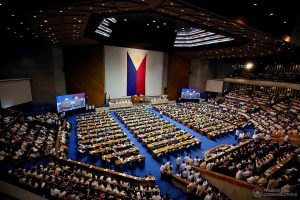
According to a report by BusinessWorld, analysts are suggesting that while the bill aims to reshape political strategies, it faces a monumental hurdle in the Senate. This isn't just about a procedural delay; it is about the very nature of the institution itself. When you look at the composition of our legislative bodies, the reality of political families becomes glaringly obvious. Asking these bodies to police themselves and dismantle the mechanisms that keep their peers in power is a bit like asking a gardener to uproot their favorite, albeit invasive, perennials. It is a tough sell, and historically, such measures have struggled to gain traction despite the clear public sentiment favoring fair play and equal opportunity in governance.
But let’s talk about the 2028 landscape. Everyone is already speculating about alliances, coalitions, and the inevitable shifting of loyalties. If this bill were to pass, political camps would have to rethink their recruitment processes. No longer could a dynasty rely solely on passing the torch to a spouse or a sibling as a matter of routine. It would force a pivot toward merit-based candidate selection, or at the very least, toward scouting talent outside of one’s immediate bloodline. Yet, analysts warn that even if the law is passed, it might be a case of 'new look, same outcome' if it isn't paired with aggressive, structural electoral reforms. If you simply block one relative but keep the machinery of patronage, vote-buying, and media dominance intact, you haven't really solved the underlying illness; you have only treated a symptom.
Think about the way power is consolidated in rural provinces. It is not always just about the name on the ballot; it is about the network of influence, the control over local resources, and the deep-seated systems of indebtedness that keep voters anchored to specific clans. An anti-dynasty law without a robust reform of our campaign finance system or a strengthening of our political party system is like putting a screen door on a submarine. It’s well-intentioned, but it’s not going to keep the water out. The political party system, in particular, remains fragmented and personality-driven rather than platform-driven. Without parties that stand for distinct ideologies rather than just serving as vehicles for certain leaders, the dynasty cycle will likely just find new creative ways to manifest itself.
There is also the question of 'political education.' As voters, we have a role to play. If we keep returning to the same families because they are the only ones with the resources to run effective ground campaigns, the cycle persists. The upcoming elections will be a litmus test for how much the public is truly willing to push for a shift away from this model. The Senate’s current hesitation is a reflection of the reality that many who sit there have benefited from, or are currently part of, the very structures this bill targets. It is a complex dance of legislation and self-interest.
So, as we watch the progress of this bill, we should remain cautiously observant. It represents a glimmer of change in a system often described as ossified. Even if it fails to pass this time, the mere act of debating it keeps the issue of equitable representation in the national conversation. And that, in itself, is a victory for the democratic process. True change rarely happens overnight, especially in a system as entrenched as ours, but the pressure for reform is mounting. It will be interesting to see if the 2028 election cycle is the moment when the tide finally begins to turn, or if we are witnessing another chapter in a long-standing tradition of political status quo. Regardless of the outcome, the conversation about who gets to lead and why is more important now than ever before. Let us continue to keep our eyes on the progress of these bills and our minds open to the possibilities of a truly representative government.
Data sourced from BusinessWorld.