

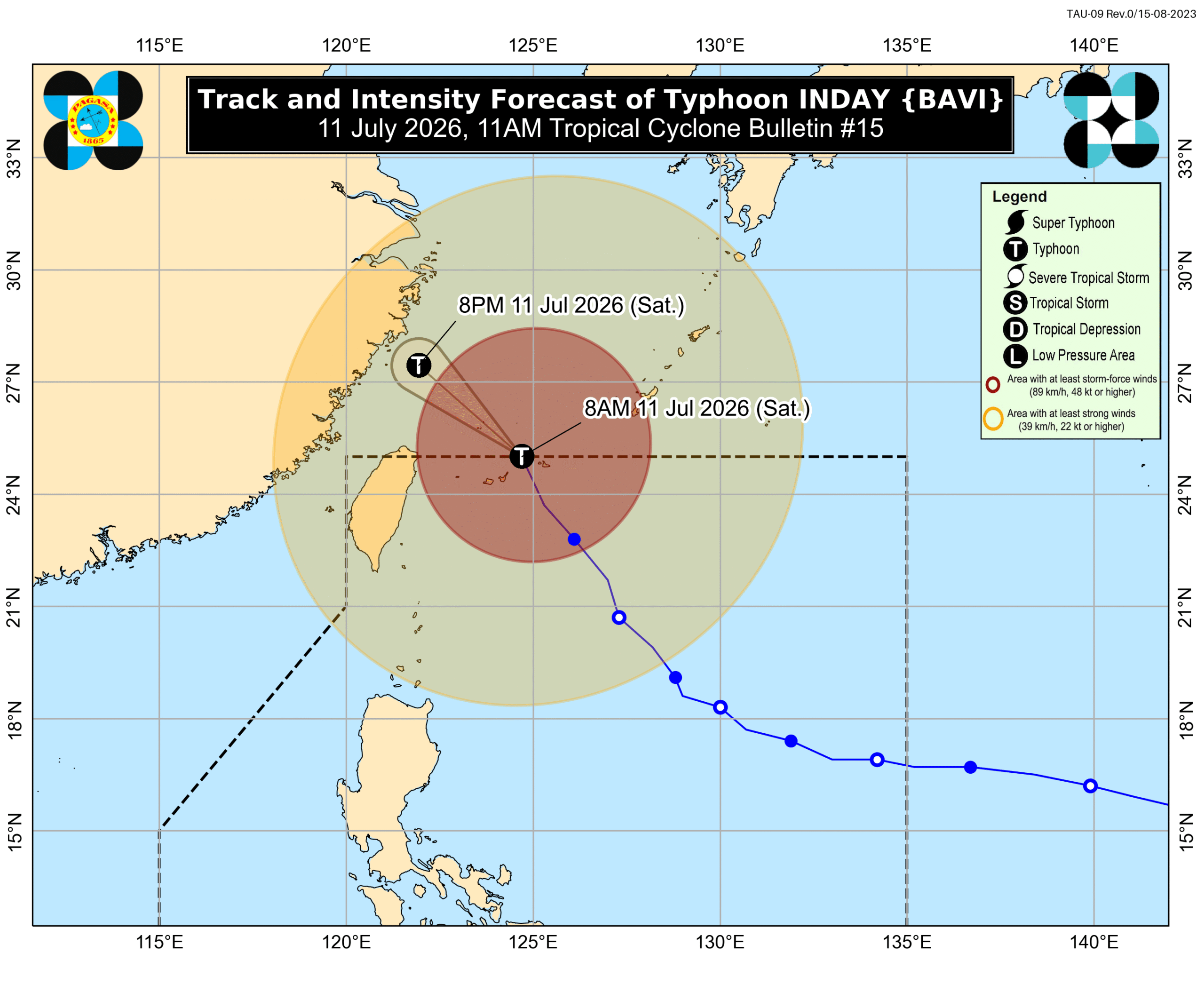
While Typhoon Inday may be moving away, the weather systems associated with it are still very much present. The southwest monsoon, also known locally as ‘Habagat,’ is being enhanced by the remnants of the typhoon, leading to increased rainfall, particularly in areas that are already prone to flooding. It’s a classic example of how one weather phenomenon can influence another, exacerbating conditions in vulnerable regions.
In the wake of Typhoon Inday, many communities are bracing themselves for the continued downpour. PAGASA has identified at least two dozen areas that could experience significant rain over the coming days. Local governments and disaster response teams are on high alert, ready to respond to any emergencies that may arise from potential flooding or landslides. The concern is particularly high in regions where the soil has already been saturated from previous rains.
The implications of this weather pattern are far-reaching. Farmers in the agricultural provinces are watching the skies intently, as heavy rainfall can mean both boon and bane. While crops like rice and corn benefit from the water, too much rain can lead to crop damage and loss. The delicate balance between enough moisture and too much is a constant worry for those whose livelihoods depend on the land.
Furthermore, the urban areas are not immune to the potential havoc that the continued rains could wreak. Streets in cities that are prone to flooding may become impassable, affecting transportation and daily life for countless individuals. The risk of flash floods increases, especially in areas where drainage systems are inadequate to handle heavy downpours.
This situation serves as a grim reminder of the importance of being prepared for the unexpected in weather forecasting. The unpredictability of nature means that even as one storm dissipates, the consequences can linger. It underscores the need for continuous monitoring and a proactive approach to disaster management.
PAGASA's role in providing timely updates is crucial. Their forecasts and warnings allow communities to prepare and take necessary precautions, reducing the risk of loss of life and property. It’s a reminder of the partnership between meteorological agencies and local communities, working together to navigate the challenges posed by changing weather patterns.
In conclusion, while Typhoon Inday may have moved on, its legacy is evident in the ongoing threats posed by the enhanced southwest monsoon. Residents in affected areas should remain vigilant and heed the warnings from PAGASA as they prepare for the possibility of heavy rainfall in the days ahead. Understanding the interconnectedness of weather systems not only helps in immediate response but also in long-term planning for future events.
Data sourced from PAGASA.