

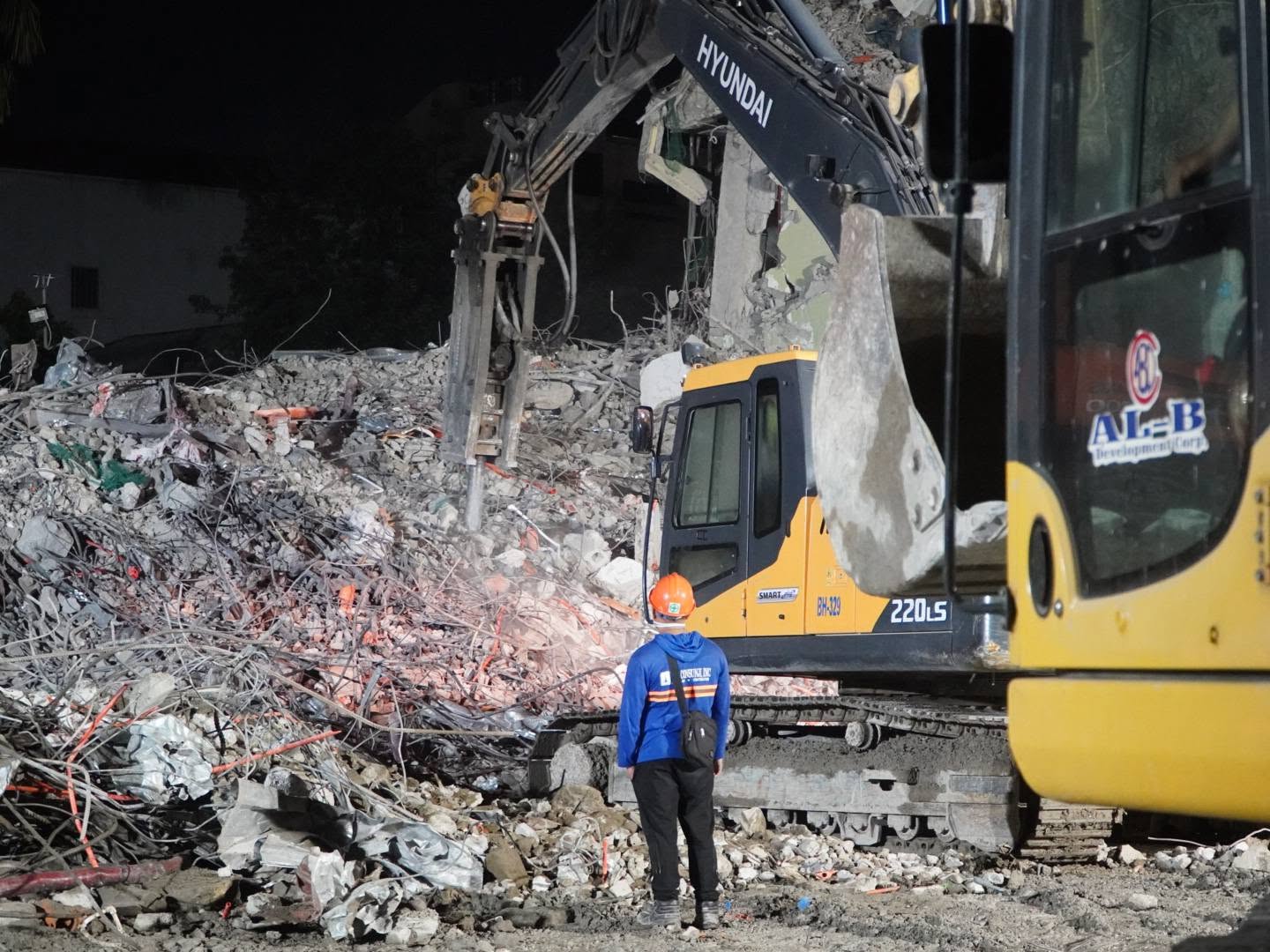
The quiet hours past midnight in Angeles City, Pampanga, are usually marked by the calm of a region resting from its bustling economic activities. However, this past Tuesday brought a somber breakthrough for rescue teams operating in the area. Beneath the heavy, unforgiving concrete and twisted steel of a collapsed building, responders from the Bureau of Fire Protection (BFP) Central Luzon retrieved another body. This latest discovery brings the confirmed death toll of the tragic incident to thirty, marking a grim chapter for the local community and highlighting the critical importance of structural safety standards.
For days, the search and recovery operation has been an exhausting, round-the-clock endeavor. Teams from the BFP, local disaster risk reduction offices, and dedicated volunteers have braved unstable debris, shifting structural elements, and hazardous dust in hopes of bringing closure to anxious families. Using a combination of heavy machinery, specialized canine units, and structural listening devices, these responders have methodically cleared layer after layer of rubble. Each hour on the site tests the physical limits and emotional resilience of these personnel, who continue their work with quiet determination despite the mounting tragedy.
This devastating event in Pampanga casts a stark spotlight on the rapid pace of urban development across Central Luzon. Over the past decade, the province has grown into a major economic engine, attracting massive commercial, industrial, and residential investments. While this growth has brought prosperity and modern conveniences, it simultaneously raises critical questions about whether the physical infrastructure is keeping pace with safety regulations. The National Building Code of the Philippines mandates rigorous guidelines for structural design, materials, and execution, especially since the archipelago is highly vulnerable to seismic activity and intense tropical storms.
Ensuring compliance with these standards remains one of the most significant challenges for local government units. Structural experts frequently point out that rapid expansion can sometimes lead to compromised quality control, the use of substandard construction materials, or building modifications that exceed original structural load capacities. The tragedy in Angeles City serves as an urgent wake-up call for municipal engineers and building officials nationwide to conduct thorough audits of commercial structures, particularly those built during rapid urban booms. Routine inspections must be treated as absolute necessities rather than mere administrative formalities.
Beyond the logistics of rescue efforts and building codes lies the profound human cost of this disaster. Thirty lives cut short represent thirty families devastated by sudden, unimaginable grief. Many of those caught in the collapse were working-class individuals, laborers, and everyday citizens who set out for a normal day of work only to be met with catastrophe. In response, local community groups and civic organizations have mobilized to provide immediate assistance, offering food, counseling, and financial aid to the victims' relatives. This collective grief has also sparked widespread calls for accountability, with the public demanding transparent investigations into the building's design, ownership, and history of compliance.
Historically, the region of Central Luzon has faced similar challenges. Previous geological events, such as major earthquakes, have exposed underlying vulnerabilities in commercial and public infrastructure across the province. These past occurrences demonstrate that regional geology demands advanced engineering solutions and robust foundational design. Going forward, the lessons of Angeles City must influence how construction permits are vetted, how onsite safety inspections are conducted, and how building violations are penalized. Ensuring absolute safety in public and commercial spaces is the only fitting tribute to the lives lost in this tragedy.
According to reports from BFP Central Luzon and local emergency response teams, investigations into the underlying causes of the collapse are ongoing as retrieval operations wind down.