

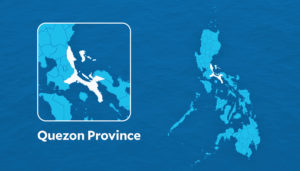
Data sourced from Inquirer. In the quiet, coastal stretches of Patnanungan, Quezon, an unusual and dangerous phenomenon has recently taken center stage. For the residents of this island municipality, the ocean, which usually provides a livelihood through fishing and tourism, has unexpectedly delivered a grim cargo: bricks of suspected cocaine. The discovery of these illicit packages has prompted a swift and firm response from the Quezon Police Provincial Office (QPPO), led by Col. Romulo Albacea, who is now spearheading an urgent plea for local residents to surrender any such items that may have drifted onto their shores.
The situation is as perplexing as it is concerning. These packages, which seem to be appearing sporadically along the coastline, are not mere maritime debris; they are high-stakes contraband. When such substances wash ashore, they pose a multi-layered threat to small, tight-knit communities. Beyond the obvious legal ramifications of possessing controlled substances, there is the lingering shadow of the criminal syndicates behind the illicit trade. Police are worried that locals, perhaps out of curiosity or a misunderstanding of the substances' nature, might find themselves in possession of evidence that could inadvertently drag them into a larger narcotics investigation.
Col. Albacea’s directive is clear and underscores a proactive approach to community safety. In an age where digital misinformation can spread faster than the truth, the QPPO is turning to boots-on-the-ground public information campaigns. They are walking through the villages, speaking with community leaders, and ensuring that the message reaches every household on the island. The police aren't just looking for the drugs; they are trying to protect the integrity of their community’s legal standing. The authorities suspect these bricks originated from larger, offshore drug-smuggling operations—shipments lost at sea or intentionally jettisoned to avoid interception by maritime patrol units. This has historically been a challenge in the Philippines, as the vast archipelago creates countless entry points for illicit goods to circulate through international waters.
For the people of Patnanungan, life carries on, but there is a newfound vigilance. The sight of a uniform-clad officer walking the beach is no longer just for standard patrols; it is now a safeguard against the infiltration of illicit drugs. The investigation is ongoing, and while forensic teams work to trace the provenance of these packages, the focus remains on the 'surrender' aspect. By encouraging voluntary surrender, the police hope to mitigate any potential for criminal charges against well-meaning civilians who might have picked up a package without knowing its contents. It is a delicate balance of maintaining law and order while fostering trust between the police and the islanders.
Ultimately, this situation serves as a stark reminder of the complexities inherent in policing an archipelagic nation. The ocean connects us all, but it also serves as a vector for challenges that require collective vigilance. Whether these items are coming from failed smuggling attempts or discarded shipments, the resolve of the Quezon police to clear their shores of these dangers is unwavering. They are banking on the cooperation of the community to ensure that Patnanungan remains safe, secure, and free from the reach of illegal drug syndicates. The hope is that by bringing these items to light, the flow of contraband can be documented, analyzed, and eventually halted at its source, protecting the peace of the province for the long term. #BalitaBNB #NewsUpdate