

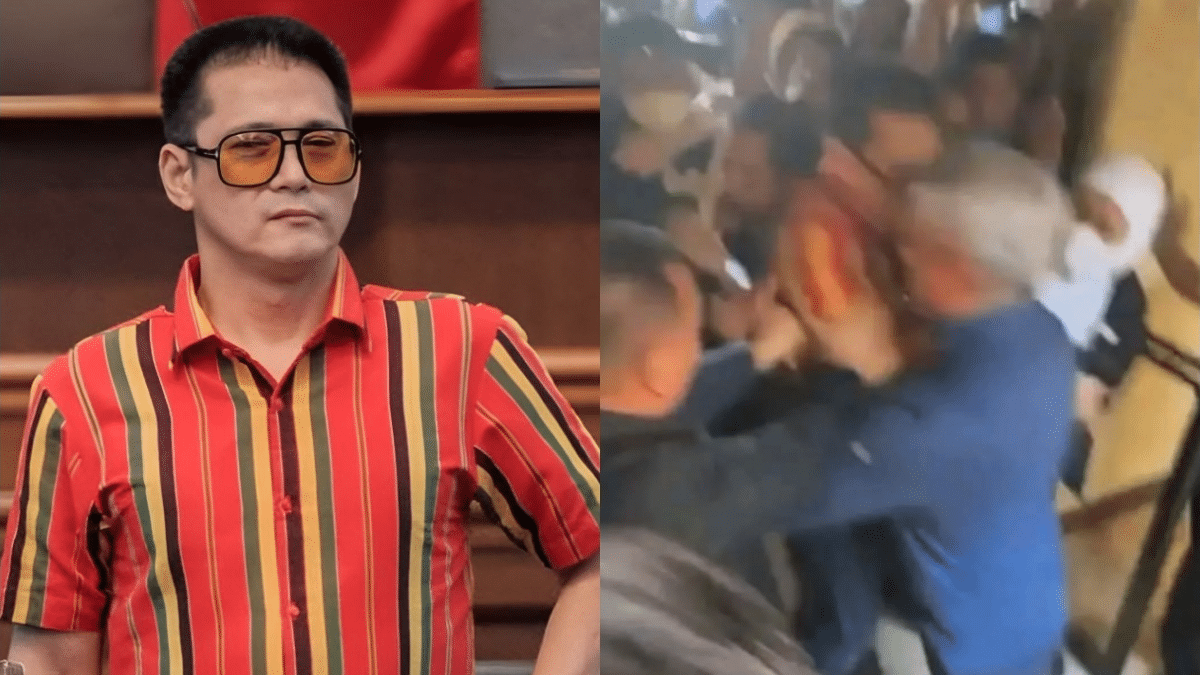
The Philippine Senate is no stranger to dramatic moments, but a recent encounter between Senator Robin Padilla and newly appointed Department of the Interior and Local Government (DILG) Secretary Jonvic Remulla managed to turn heads and dominate social media feeds. A video capturing what looked like a physical altercation or a tense shoving match in the Senate lobby quickly went viral, leaving netizens speculating about a deeper feud between the two prominent political figures.
Following the widespread circulation of the video, Senator Padilla was quick to address the rumors. He vehemently denied allegations that he initiated any hostility or was the aggressor in the situation. Clarifying the incident, the actor-turned-legislator expressed his remorse over how the public perceived the interaction, invoking his faith and asking for divine intervention. "Patawarin ako ng Allah!" Padilla exclaimed, emphasizing that his intentions were far from malicious and that the apparent tension was misunderstood.
According to a report by Bandera, the "gitgitan" or physical crowding occurred in the busy lobby of the Senate building, where lawmakers, cabinet officials, and media practitioners often cross paths. In a high-stakes environment like the Senate, physical proximity can sometimes translate on camera as a confrontation. Padilla explained that the interaction was more of a robust, friendly exchange typical of their long-standing relationship rather than a genuine conflict. However, the optics of the moment—with arms moving and bodies close together—fueled intense social media speculation, with many accusing the senator of being hot-headed.
To truly understand this event, one must look at the dynamics between Senator Padilla and the Remulla family. Both belong to influential political circles that have navigated the complex waters of Philippine governance. Jonvic Remulla, who recently took the helm of the DILG, has been active in establishing rapport with legislative leaders to push for key local government reforms. Padilla, on the other hand, is known for his passionate and sometimes physical manner of expressing himself, a trait carried over from his decades-long career as an action movie star. Friends and colleagues in government note that Padilla often communicates with high energy, which can easily be misconstrued by observers unfamiliar with his personal style.
Padilla, who currently chairs the Senate Committee on Constitutional Amendments and Revision of Codes, is regularly in the spotlight for his fierce advocacy of federalism and economic charter change. In his role, maintaining a credible, serious, and dignified demeanor is essential to winning over fellow lawmakers and the voting public. When distractions like lobby altercations make headlines, they risk overshadowing his core legislative agenda. Thus, the quick public relations response was not merely about saving face but about shielding his legislative priorities from unnecessary political noise.
In the digital age, a five-second clip can completely overshadow hours of productive legislative work. The Senate lobby, which serves as a transitional space for informal discussions, has increasingly become a stage for public scrutiny. When the video of the two figures went trending, it sparked a flurry of memes, commentary, and criticisms. For some, it was seen as a lack of decorum in a highly respected institution. For others, it was simply a storm in a teacup. Padilla’s public clarification and plea for forgiveness were strategic moves to de-escalate the narrative before it could impact his legislative standing or the DILG's collaborative efforts with the Senate.
Beyond the temporary social media buzz, this incident highlights the delicate nature of executive-legislative relations. As DILG Secretary, Remulla relies heavily on the Senate's cooperation for budget approvals, local autonomy initiatives, and national security policies. Any genuine animosity between a cabinet secretary and an influential senator could stall critical legislative agendas. Fortunately, both offices have signaled that there is no bad blood. Padilla’s quick resort to public clarification demonstrates a commitment to maintaining professional harmony, ensuring that national interests remain at the forefront rather than personal misunderstandings.
As the dust settles on this viral episode, the public is reminded of the intense scrutiny faced by government officials. Every gesture, word, and physical movement is analyzed under a microscope. While Senator Padilla's dramatic appeal for forgiveness may seem intense to some, it aligns with his authentic, unfiltered public persona that his supporters have come to respect. The incident serves as a modern lesson in media literacy and the importance of waiting for official contexts before jumping to conclusions based on brief video snippets. Both public figures continue their respective mandates, proving that while tensions can flare, professional decorum and mutual respect ultimately prevail in the halls of Congress.
Data sourced from Bandera.