

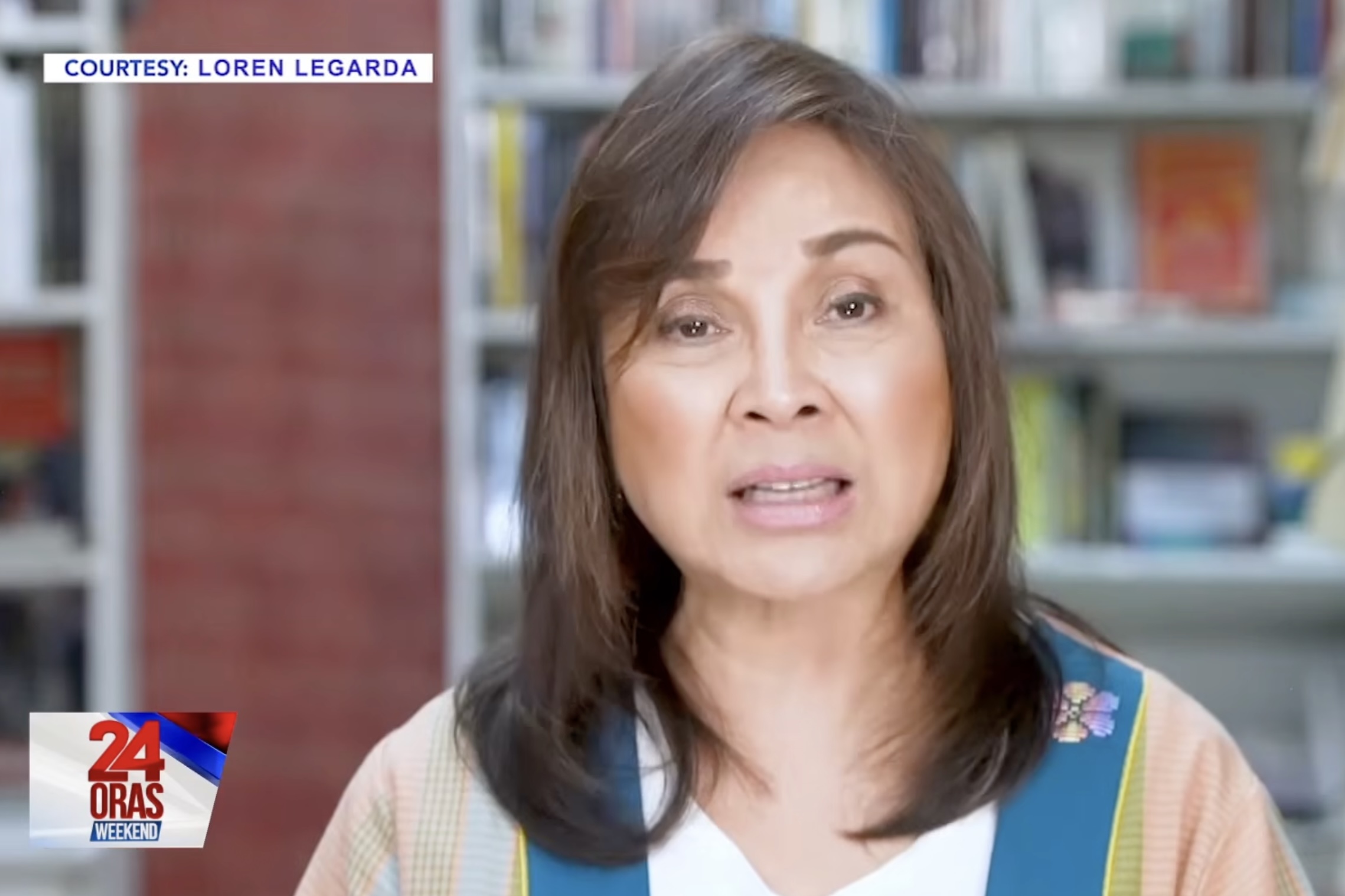
The Philippine political landscape is no stranger to sudden shifts, backroom alliances, and dramatic leadership transitions. Yet, the recent events within the upper chamber of Congress have raised fundamental constitutional questions that go far beyond mere political maneuvering. Senator Loren Legarda has stepped into the spotlight, reiterating her firm stance that the leadership changes executed in the Senate on June 3 are invalid and unconstitutional. According to Legarda, she remains the rightful Senate President Pro Tempore, challenging the legitimacy of the reorganization that saw Senator Jinggoy Estrada assume the post.
To understand the gravity of Legarda's declaration, one must look at the sequence of events that shook the Senate in mid-2024. The upheaval began with the sudden resignation of Senator Juan Miguel "Migz" Zubiri from the Senate presidency, a move that paved the way for Senator Francis "Chiz" Escudero to take the helm. In the wake of this transition, a domino effect occurred, shifting several key committee chairmanships and leadership positions. Among these was the role of Senate President Pro Tempore, the second-highest office in the chamber, responsible for presiding over sessions in the absence of the Senate President. Legarda had held this position with distinction, utilizing her vast legislative experience to guide the chamber's daily operations.
Legarda, a veteran lawmaker with decades of public service, has refused to quietly accept this transition. She argues that the processes employed during the June 3 session violated the established rules of the Senate and, more importantly, the Philippine Constitution itself. Legarda's contention rests on the assertion that a leadership change must adhere strictly to constitutional mandates and internal rules of procedure to ensure democratic legitimacy. Without these safeguards, she argues, any declaration of vacant seats or subsequent elections of new officers remains legally void. Her public statements underscore a commitment to institutional integrity, warning that allowing irregular transitions to pass unchallenged sets a dangerous precedent for future congresses.
This constitutional stand by Legarda introduces a layer of institutional friction within the Senate. The chamber prides itself on tradition, consensus, and collegiality, but when constitutional interpretations clash, the stability of the legislative process can be threatened. Legarda's persistence serves as a reminder of the delicate balance of power within the government. The Senate President Pro Tempore is not merely a ceremonial role; it is a position of significant legislative influence, steering debates, managing committee assignments, and maintaining order during crucial legislative sessions. To have this seat contested creates an atmosphere of uncertainty that could affect how laws are crafted and debated.
Political analysts suggest that Legarda’s public challenge could have broader implications for the current Senate leadership under Escudero. If her claims gain legal traction or sow doubt among her colleagues, it could complicate the passage of key administration bills and disrupt the legislative calendar. Furthermore, this internal conflict highlights the growing factions within the Senate as the country prepares for future electoral cycles, where control of the legislative agenda is highly coveted. The timing of this dispute is particularly critical, as the government faces pressing national issues, from economic recovery to maritime security, which require a unified and focused legislative body.
The current leadership, however, maintains that the reorganization was carried out in accordance with democratic processes and the will of the majority of the senators. In legislative bodies worldwide, leadership positions are held at the pleasure of the majority, and transitions are often swift once a new coalition is formed. Legarda's critics argue that the political reality of the Senate is governed by numbers, and when the numbers shift, leadership must inevitably follow. Nevertheless, Legarda’s insistence on constitutional adherence forces the institution to reflect on its rules and the legal boundaries of political transitions, ensuring that political expediency does not override the rule of law.
As the debate continues to unfold in the halls of the Senate, the public is left to ponder the strength of the nation’s democratic institutions. Legarda’s stand is not just a personal fight for a prestigious title; it is a test of constitutional integrity and procedural rule in one of the country's most vital government branches. The outcome of this dispute could redefine how internal leadership changes are conducted in the Philippine Senate for generations to come. Whether this challenge will lead to a formal legal battle in the Supreme Court or be resolved through internal political compromise remains to be seen, but it has undoubtedly left an indelible mark on the current legislative term.
Data sourced from GMA News.