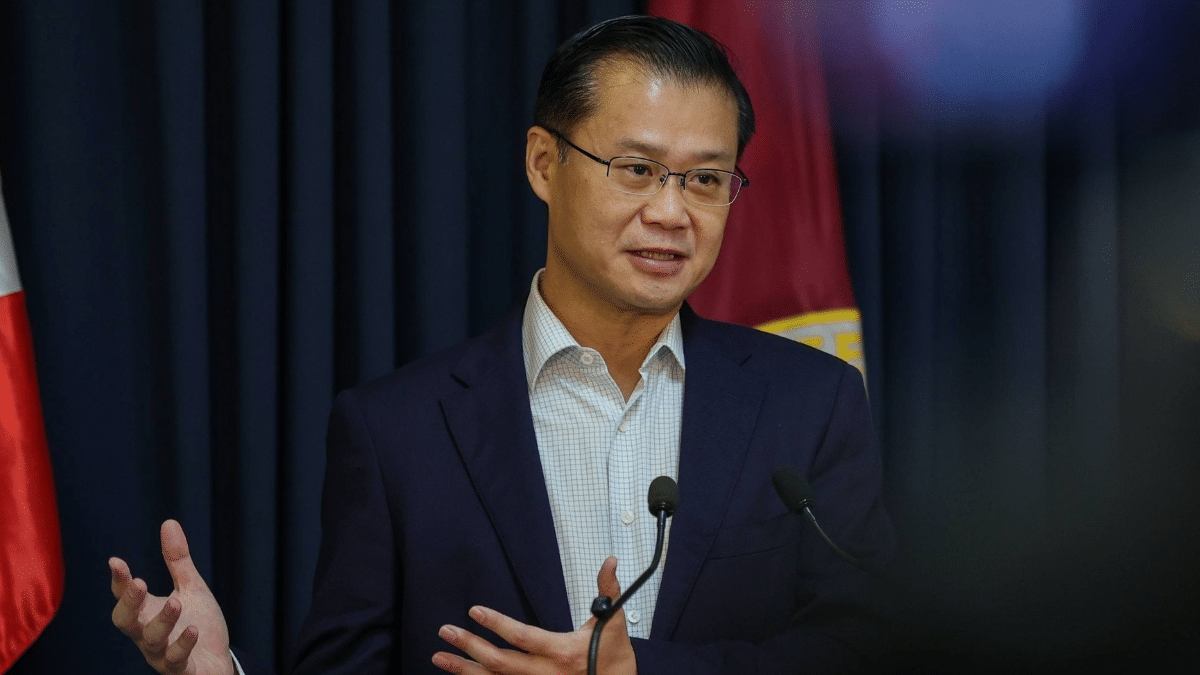
**Politics: Senate Politics and the Blue Ribbon Committee Hearing**. The recent Blue Ribbon Committee hearing has sparked intense debate and discussion within the Philippine Senate. According to a report by various news outlets, Acting Senate President Win Gatchalian expressed his sentiments regarding the hearing conducted by the faction led by Senator Alan Peter Cayetano, which aimed to investigate alleged anomalies in flood control projects. In a radio news program interview on Friday, June 5, Senator Gatchalian described the event as more of a 'gathering' rather than a formal hearing. This statement has significant implications for the ongoing discussions and investigations within the Senate. To understand the context and significance of this event, it is essential to delve into the details of the hearing and the reactions of the senators involved. The Blue Ribbon Committee, known for its role in investigating anomalies and irregularities in government projects, has been at the center of controversy in recent weeks. The hearing in question was initiated by Senator Cayetano's faction, which sought to shed light on the alleged irregularities in flood control projects. However, the manner in which the hearing was conducted has raised eyebrows, with some senators questioning its legitimacy and purpose. Senator Gatchalian's statement that the event was a 'gathering' rather than a formal hearing has added fuel to the fire, sparking a heated debate about the committee's proceedings and the intentions of its members. As the Senate continues to grapple with these issues, it is crucial to examine the potential consequences of such events on the country's political landscape. The Philippine Senate, as a institution, plays a vital role in ensuring accountability and transparency in government. The actions of its members, particularly those in leadership positions, set the tone for the country's political discourse. In this context, the recent Blue Ribbon Committee hearing and the subsequent reactions of the senators involved take on a greater significance. They reflect the underlying dynamics and tensions within the Senate, which can have far-reaching implications for the country's governance and development. As the situation continues to unfold, it is essential to follow the developments closely and analyze the statements and actions of the key players involved. By doing so, we can gain a deeper understanding of the complexities of Philippine politics and the factors that shape the country's future. Data sourced from various news outlets, including Bandera.

