

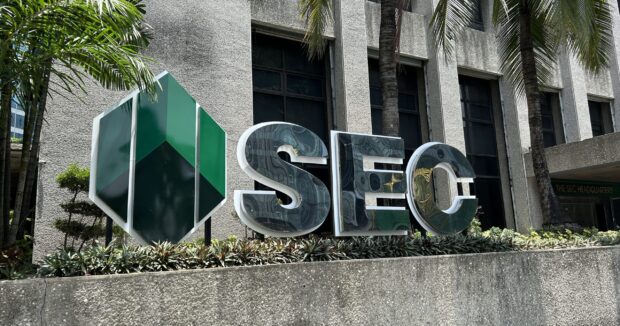
In the evolving landscape of Philippine real estate, a major regulatory milestone has just been reached that could reshape how developers and investors view condotel investments. The Securities and Exchange Commission (SEC) has officially greenlit the rental pool program of Megaworld Corporation’s subsidiary, Global One Hotel Group Inc. This landmark approval is part of the SEC's streamlined efforts to make real estate investment contracts safer, more transparent, and highly accessible to the public under its updated non-traditional securities framework.
For the average investor, the term "condotel" might sound like a simple hybrid of a condominium and a hotel. However, behind the scenes, the financial mechanism that powers these properties is highly sophisticated. Under a typical rental pool agreement, individual unit owners place their properties into a collective pool managed by a central operator. The revenues generated from renting out these units to tourists and travelers are then aggregated and distributed among the owners, regardless of whether their specific unit was occupied or not. Because this arrangement promises a return on investment driven by the efforts of a third-party manager, the SEC classifies these agreements as investment contracts—which means they fall squarely under the regulatory definition of securities.
With its recent decision, the SEC Commission En Banc rendered effective Global One Hotel’s registration statement covering 6,340 certificates of participation. These certificates represent fractional ownership and profit-sharing rights across 12 major condominium hotel projects under Megaworld’s expansive portfolio. This approval signals a major win not only for Megaworld but also for the broader capital markets in the Philippines, as it establishes a clear path forward for other developers seeking to monetize their properties through structured, SEC-compliant investment schemes.
Historically, the regulation of condotels and rental pool assets has been a gray area in Philippine finance. For years, many developers marketed these programs to eager buyers promising passive income without necessarily registering the underlying agreements as securities. This practice raised red flags for regulators concerned about investor protection, leading the SEC to actively enforce guidelines to ensure these non-traditional securities are registered. The commission's recent move to streamline the capital-raising framework for real estate is a calculated effort to balance market innovation with rigorous investor safeguards. By bringing these fractional investments into the light of formal regulation, the SEC provides a secure framework that protects buyers from fraudulent schemes while enabling developers to tap into much-needed public capital.
In the past, the lack of a standardized registration framework meant that developers faced long delays in getting their projects approved, which in turn locked up capital and slowed down construction timelines. By establishing a streamlined process, the SEC is addressing these bottlenecks. This proactive stance is particularly crucial now, as the global real estate sector faces macroeconomic pressures, including fluctuating interest rates and inflation. A structured investment vehicle like a regulated rental pool offers a more predictable, yield-bearing alternative to traditional real estate purchases, appealing to risk-averse investors who want exposure to property markets without taking on debt.
Megaworld's Global One Hotel Group has positioned itself at the forefront of this regulatory shift. The 12 condominium hotel projects involved in the registration represent some of the country’s most promising tourism and business hubs. By organizing these under a singular, SEC-compliant framework, Megaworld offers investors a level of security and institutional backing that was previously hard to find in the fragmented condotel market. It allows retail investors to participate in the lucrative hospitality sector without the operational headaches of managing a hotel room themselves. Furthermore, this structured approach standardizes the way returns are calculated and audited, giving investors peace of mind. Instead of relying on vague promises of high yields, participants in Global One's rental pool can expect audited financial disclosures and transparent management practices, setting a new benchmark for industry accountability.
The broader implications of this development for the Philippine economy are substantial. As the country continues its post-pandemic recovery, tourism and business travel have seen a steady resurgence. Hotels and condotels are experiencing higher occupancy rates, making real estate-backed yield-generating assets highly attractive to both local and foreign investors. By legitimizing and simplifying the registration of these rental pools, the SEC is effectively unlocking a pipeline of domestic capital that can fuel further infrastructure and hospitality developments across the archipelago.
However, the road to full compliance is ongoing. The SEC’s approval is subject to Global One Hotel Group meeting remaining procedural requirements. This serves as a reminder that regulatory oversight remains stringent, and developers must maintain high standards of corporate governance and financial reporting to keep their registration effective. As the market adapts to these rules, we are likely to see an influx of similar registrations from other major property players, driving healthy competition and raising the overall standard of the Philippine real estate investment landscape.
Ultimately, the SEC’s clearance of Global One Hotel’s rental pool program represents a mature step forward for the country's financial markets. It proves that innovation and regulation do not have to be at odds; instead, they can work hand-in-hand to build a more robust, transparent, and dynamic economy.
Data sourced from a report by Inquirer.