

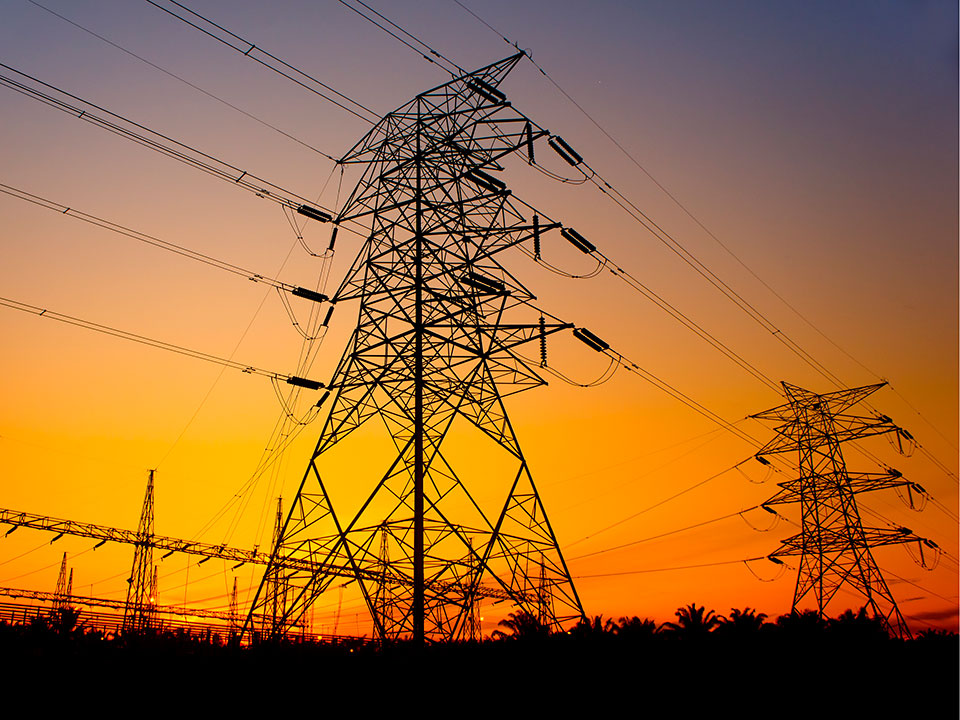
A collective sigh of relief swept across the Visayas region on Thursday evening as the National Grid Corporation of the Philippines (NGCP) officially lifted the yellow alert status that had kept local residents and industries on edge. This critical update marks a positive turn for an area heavily reliant on consistent energy to power its bustling cities, massive tourism centers, and growing residential zones. With the alert removed, the immediate threat of unexpected power interruptions has subsided, allowing the region to breathe a bit easier as night fell.
To appreciate the significance of this development, it is essential to understand what a yellow alert actually signifies in the context of the country's power infrastructure. The national transmission grid operates under a system of color-coded warnings to communicate the health of the electrical supply. A yellow alert is triggered when the grid's operating margin—essentially the safety cushion of reserve power above the peak demand—falls below a designated threshold. While a yellow alert does not automatically mean rotating power outages, it serves as a serious warning that the system is under heavy strain. Under these conditions, the sudden failure of even a single major power plant could easily tip the scale, forcing the grid into a red alert where rotational blackouts become unavoidable.
The Visayas, with its dynamic blend of rapid urbanization and world-famous tourist destinations like Cebu, Bohol, and Boracay, relies intensely on an uninterrupted flow of electricity. Modern businesses, particularly the booming business process outsourcing (BPO) sector, operate around the clock. Any disruption to their operations can lead to significant financial losses and damage the country’s reputation as a reliable global service hub. For local families, reliable power is not just about comfort; it is crucial for preserving food, powering medical equipment, and keeping households connected. Our global Filipino community, particularly Overseas Filipino Workers (OFWs) who continuously check in on their families back home, know all too well the anxiety that comes with unstable power infrastructure in their home provinces.
This recent alert is part of a broader, recurring narrative within the Philippine energy sector. Historically, the nation’s power grids have faced severe stress during transitional weather periods. As temperatures climb, the demand for air conditioning and cooling systems surges exponentially, stretching generation capacity to its absolute limit. This seasonal spike in demand often coincides with planned or unplanned maintenance shutdowns of aging power generation facilities. When these key plants go offline for repairs, the remaining operational plants are forced to work double-time, leaving the grid with dangerously low reserves.
The National Grid Corporation of the Philippines, which is tasked with the monumental responsibility of managing and maintaining the state-owned power grid, must constantly perform a delicate balancing act. They coordinate in real-time with various power generation companies, trying to align the available supply with the unpredictable shifts in public demand. The lifting of the yellow alert on Thursday evening indicates that this balance has temporarily stabilized. This could be due to a combination of factors, such as the successful return of offline power plants to the grid, increased output from local renewable sources, or a drop in consumption as cooler evening temperatures settled over the islands.
However, energy analysts and industry insiders warn that a single lifted alert is no reason for long-term complacency. The structural challenges of the Philippine energy grid require ongoing attention and systemic upgrades. The Visayas grid is interconnected with the Luzon and Mindanao grids, a setup designed to allow regions to share excess power during emergencies. While this interconnection increases overall resilience, it also means that a severe crisis in one region can sometimes send shockwaves through the neighboring networks. Long-term security lies in the diversification of the energy mix, accelerating the transition to renewable energy sources like solar, wind, and geothermal, and executing crucial transmission projects that can seamlessly distribute power across the archipelago.
For everyday citizens, the recurring threat of grid instability highlights the enduring importance of energy conservation. Simple, conscious habits—such as unplugging idle electronics, setting air conditioners to moderate temperatures, and shifting heavy appliance use to off-peak hours—can collectively ease the burden on our national grid.
Ultimately, the lifting of the yellow alert is a welcome victory for the Visayas, showcasing the resilience of the grid managers and the cooperation of power producers. Yet, as the region continues to grow, the demand for electricity will only increase. Proactive investments, transparent policies, and a commitment to modernizing the nation's energy infrastructure will be the defining factors in ensuring that the lights stay on for every Filipino household and business.
According to a report by the National Grid Corporation of the Philippines (NGCP).
#BalitaBNB #NewsUpdate