

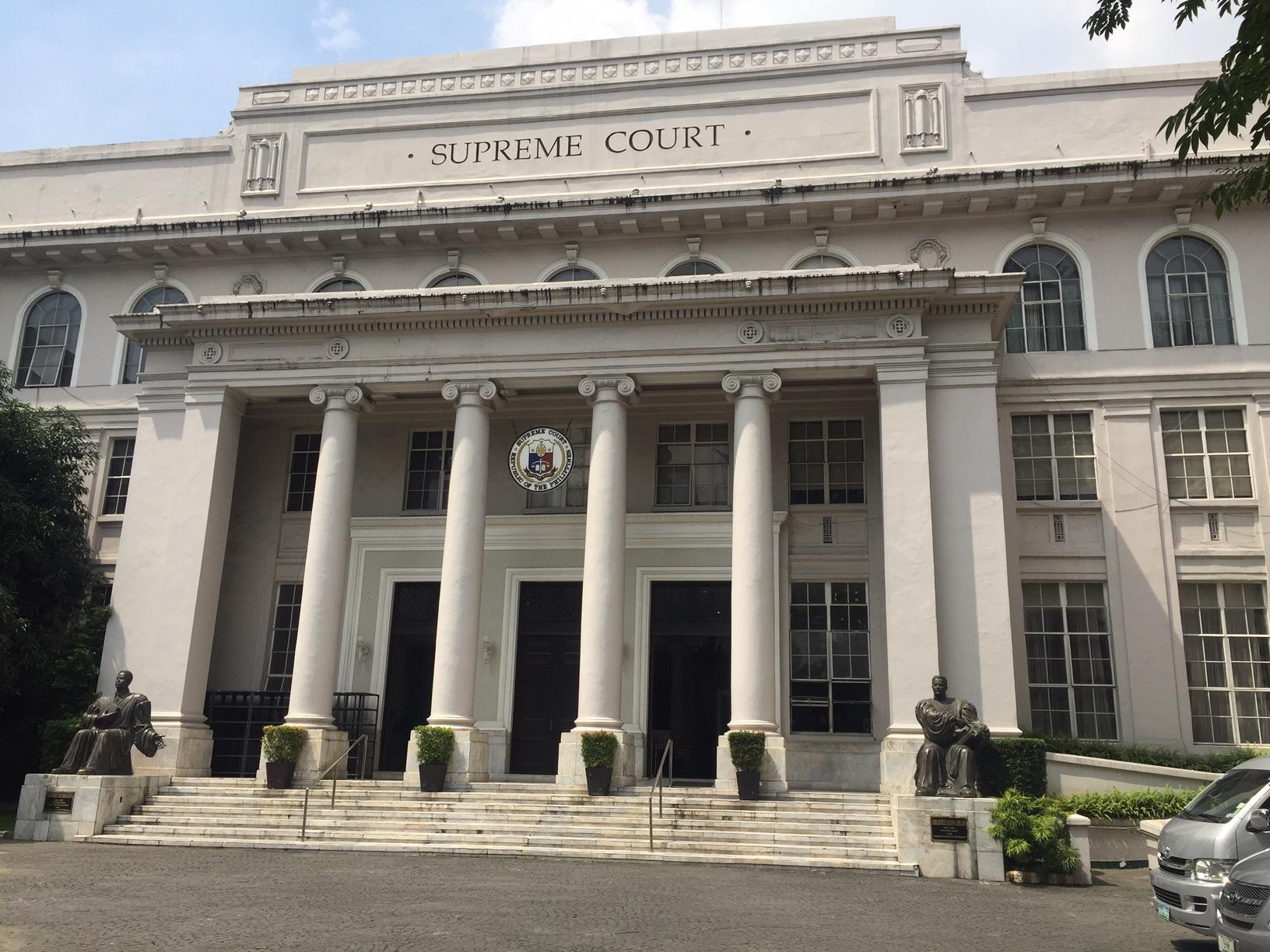
In a decisive move that reinforces the delicate balance of power within the Philippine government, the Supreme Court has dismissed a petition filed by an educator seeking to validate the Senate session held on June 3. This particular session was a pivotal moment in legislative history, marked by the declaration of vacancies in top Senate leadership posts and the subsequent appointment of Senator Sherwin Gatchalian as Senate President Pro Tempore and acting Senate President.
The high court's dismissal of the petition underscores a fundamental constitutional principle that has guided democratic institutions for decades: the separation of powers. In the intricate machinery of the Philippine Republic, the Executive, the Legislative, and the Judiciary operate as co-equal branches. Each branch is granted exclusive sovereignty over its internal operations, a doctrine designed to prevent any single entity from gaining absolute control. When the Supreme Court chose to throw out the petition, it effectively reaffirmed its commitment to this judicial hands-off policy regarding the internal affairs of a co-equal body.
The petition itself, brought forward by an ordinary citizen who works as a teacher, sought to bring judicial scrutiny to the internal political maneuvers of the Senate. The petitioner argued that the session on June 3, which initiated a sweeping reorganization of the chamber, required formal judicial validation to ensure its legality. In parliamentary democracies, leadership shakeups are often tumultuous affairs, accompanied by intense public debate and political posturing. To the average observer, the sudden shift in leadership might seem ripe for legal intervention. However, constitutional law dictates a very different approach.
Historically, the judiciary has been highly reluctant to interfere in what are known as 'political questions.' These are matters that the Constitution has explicitly committed to the discretion of the other branches of government. The rules of the Senate, the scheduling of its sessions, and the election of its officers are classic examples of such internal matters. For the Supreme Court to dictate when a Senate session is valid or how the chamber should choose its leaders would be to step over the line, potentially triggering a constitutional crisis.
This legal battle also highlights the concept of legal standing, or locus standi. To bring a case before the Supreme Court, a petitioner must demonstrate a direct, personal, and material injury resulting from the challenged action. In cases involving broad political transitions within the legislature, ordinary citizens—even well-intentioned educators—often struggle to establish this direct injury. The high court's ruling serves as a reminder that the judicial system is not a forum for resolving political disagreements or academic disputes about parliamentary procedure.
The reorganization of the Senate on June 3 was indeed a monumental event, culminating in Senator Sherwin Gatchalian taking on the crucial role of acting Senate President. Such leadership transitions are critical to the legislative process, as they dictate the legislative agenda, committee assignments, and the overall direction of policy-making in the country. During times of transition, stability is paramount. The Supreme Court's refusal to intervene provides a sense of finality and stability, allowing the Senate to proceed with its legislative duties without the looming shadow of judicial second-guessing.
This development has sparked a wider conversation among political analysts and the general public regarding the role of civic participation in governance. While the teacher's petition was legally unsuccessful, it demonstrates a vibrant level of civic engagement among Filipinos. It shows that citizens are actively watching the actions of their lawmakers and are willing to use legal avenues to demand accountability. However, as this ruling demonstrates, that accountability must be pursued within the boundaries of the Constitution's structural framework.
As the Senate continues its work under its current leadership, this Supreme Court decision will likely stand as a key precedent for future challenges to legislative actions. It cements the rule that internal legislative disputes must be resolved within the halls of Congress itself, through political consensus, debate, and the democratic process, rather than through the courts.
According to a report by GMA News, the High Tribunal's decision was made during its regular en banc session, sealing the chapter on this specific legal challenge and allowing the upper chamber of Congress to focus entirely on its primary duty of crafting laws for the nation.
#BalitaBNB #NewsUpdate