

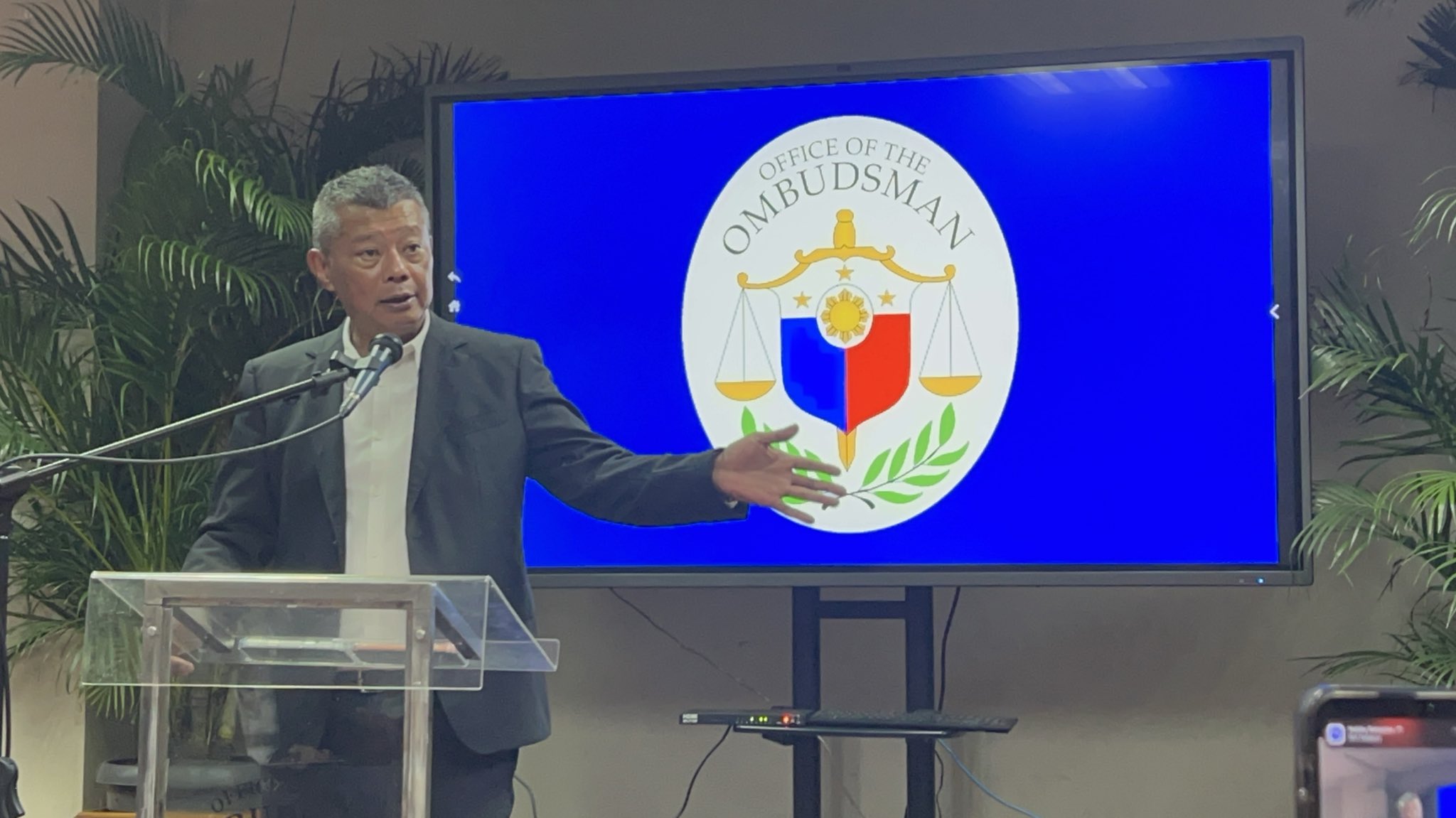
For many Filipinos, securing a driver’s license or registering a vehicle at the Land Transportation Office (LTO) has historically been synonymous with patience. Long lines, heat, and the dreaded phrase "the system is down" have long characterized the experience of motorists across the country. But behind the counter, a silent, complex digital war has been raging for years, pitting modern systems against deeply entrenched legacy technology. Recently, this silent struggle burst into the national spotlight when Ombudsman Jesus Crispin Remulla took a decisive step, urging the LTO to immediately halt its use of the IT services provided by its long-standing partner, Stradcom Corporation.
This bold call to action marks a potential turning point in the government’s decade-long quest to fully modernize its public service operations. For those unfamiliar with the history of the LTO’s IT infrastructure, Stradcom has been a central player in the agency's daily life for nearly a quarter of a century. Back in the late 1990s, Stradcom entered into a multi-billion-peso Build-Own-Operate contract with the Philippine government to computerize the LTO's manually driven processes. At the time, this was hailed as a revolutionary leap forward, bringing database technology to an agency that had previously relied on massive stacks of paper documents.
However, as the years rolled on, the technology landscape evolved rapidly, but the legal and operational framework surrounding the Stradcom contract did not keep pace. Even after the original contract expired, the LTO continued to rely on Stradcom’s systems through various extensions and transition agreements. This persistent dependency created what many critics describe as a digital monopoly, making it incredibly difficult for the government to transition to newer, more efficient, and cost-effective cloud-based systems.
Enter the Land Transport Management System, or LTMS. Developed by a joint venture led by the German technology firm Dermalog, the LTMS was envisioned as a state-of-the-art, web-based platform that would allow motorists to transact online, thereby eliminating the need to physically visit LTO branches for basic tasks. The goal was simple: create a modern, paperless, and contact-free transaction system that would minimize corruption and maximize efficiency.
Unfortunately, the transition from the old Stradcom system to the new LTMS has been anything but smooth. Instead of a clean cutover, a hybrid environment emerged where both systems had to operate simultaneously. This dual-system setup resulted in significant operational friction. The two platforms often struggled to communicate with each other, leading to data migration errors, delayed transactions, and the frequent system outages that have plagued motorists in recent years. Furthermore, maintaining two massive IT infrastructures concurrently has placed a double financial burden on the national treasury.
The Ombudsman’s direct intervention highlights the growing impatience within the government over these prolonged transition issues. By formally urging the LTO to stop using Stradcom's services, the Ombudsman is pushing for a clean, final break from the past. The move is viewed not just as a matter of technological progress, but as a critical compliance issue with national procurement and anti-graft laws. Operating under temporary extensions without competitive public bidding often raises red flags for state auditors, and the call to terminate the legacy service aims to protect the government from potential legal and financial liabilities.
For the everyday Filipino motorist—and particularly for the millions of Overseas Filipino Workers (OFWs) who rely on efficient government documentation to secure their livelihoods abroad—this digital standoff has real-world consequences. When LTO systems fail, it isn't just an inconvenience; it can mean missed work, delayed deployments, and lost income. A single, integrated, and reliable database system is no longer a luxury—it is an absolute necessity for national progress.
The road ahead for the LTO will undoubtedly require strong political will and careful execution. Transitioning fully to a new IT platform without causing major disruptions to daily public services is a massive technical challenge. However, the message from the country’s top oversight bodies is clear: the era of relying on legacy systems must come to an end. It is time for the LTO to look forward, embrace modern technology, and deliver the world-class public service that the Filipino people deserve.
According to a report by GMA News, this development could finally pave the way for the LTO to fully utilize its new digital platforms and resolve the systemic issues that have slowed down its services for years.