

Data sourced from Pagasa.
There is a familiar shift in the air that every Filipino knows all too well. It isn't just a sudden drop in temperature or a darker shade of grey sweeping across the horizon; it is a profound change in the rhythm of daily life. This week, the Philippine Atmospheric, Geophysical, and Astronomical Services Administration (Pagasa) officially signaled that this shift is upon us. The state weather bureau has declared the onset of the rainy season specifically for the western sections of Luzon and the Visayas, marking a definitive end to the sweltering heat that has gripped the nation for the past several months.
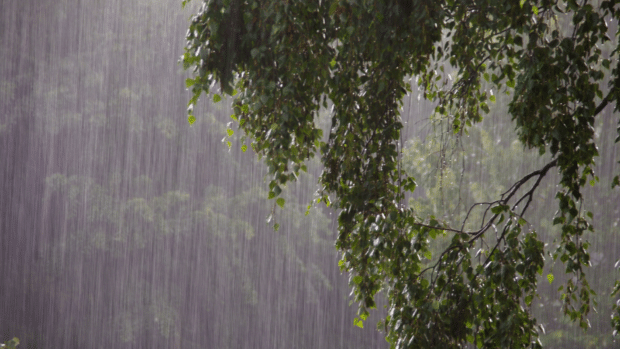
For many, this announcement brings a sense of relief from the intense summer temperatures. We have all endured the long weeks of record-breaking heat indices that forced us to stay indoors, kept our electric fans running 24/7, and changed how we plan our outdoor activities. However, the official declaration of the 'Habagat' or Southwest Monsoon season is also a reminder of the vigilance required during this time of year. According to the data provided by Pagasa, the official start was triggered by the observation of occasional to frequent rains over the past five days. These are not merely passing afternoon showers; they are the result of the Southwest Monsoon, a weather phenomenon that brings moisture-laden winds from the southwest, setting the stage for more persistent rainfall in the coming months.
Living in a country situated along the Pacific typhoon belt, we are no strangers to the duality of the rainy season. On one hand, it nourishes our agricultural lands and replenishes the water levels in our vital dams, which are crucial for our energy and irrigation needs. The sound of rain on a tin roof is perhaps one of the most nostalgic comforts for a Filipino. Yet, on the other hand, the onset of this season calls for a shift in our collective preparedness. We have seen time and again how sudden, heavy downpours can turn urban streets into challenges for commuters and how prolonged rainfall can test the resilience of our infrastructure.
Historically, the arrival of the Habagat is a time for households to clear out clogged drainage systems, inspect rooftops for leaks, and ensure that emergency kits are updated. It is also the time when OFWs and those living away from home begin checking in with their families in the Philippines, mindful of the potential weather disturbances that often accompany this period. The western sections of Luzon and Visayas are often the first to experience the direct brunt of these monsoon winds, making the next few weeks critical for local government units to finalize their disaster risk reduction protocols.
Beyond the practicalities of umbrellas and raincoats, there is an inherent human experience in waiting out the monsoon. It brings a change in the pace of the city. Traffic patterns shift, school schedules are monitored for potential suspensions, and there is a communal focus on staying safe and dry. As we transition into this period, it is important to stay updated with the latest weather advisories. Pagasa remains our primary source of truth, and their recent analysis serves as a call to action for everyone to remain alert. Whether you are navigating the bustling streets of Manila or keeping watch over your properties in the Visayas, this official announcement is the starting gun for a season that demands our collective attention and care. Let us look out for one another, keep our surroundings clean to prevent flooding, and face the changing weather with the resilience that has always defined our people. As the clouds gather, remember that being informed is the best form of protection.