

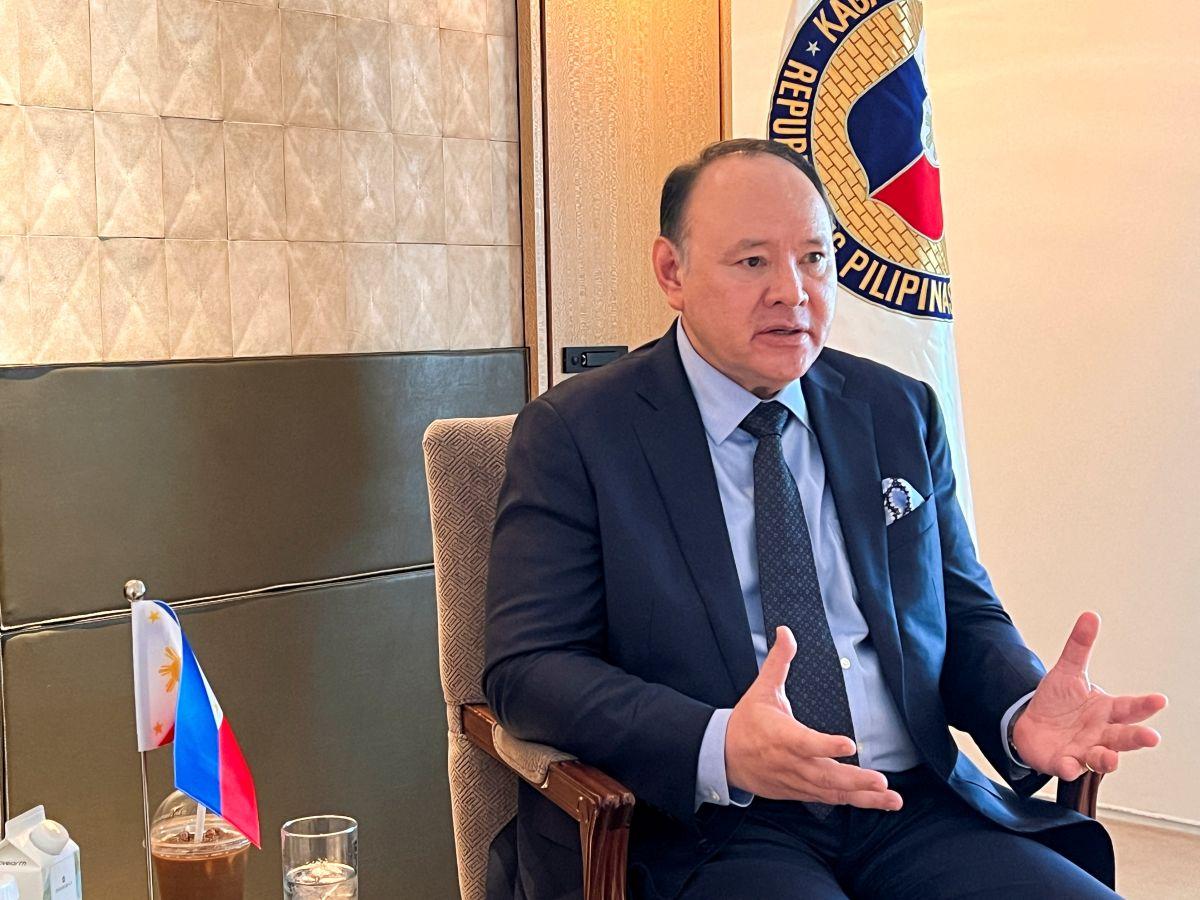
The backdrop to this situation is a growing concern over illegal operations involving Chinese nationals in the Philippines, which has sparked various government initiatives aimed at curbing these activities. Teodoro's assertion suggests that Beijing's sanctions may not merely be a defensive reaction but could also be seen as a direct response to the Philippines' efforts to uphold its sovereignty and law enforcement integrity.
As the Philippines grapples with issues related to illegal immigration, human trafficking, and other unlawful enterprises, the government's stance against these illegal activities has been firm. Teodoro's comments highlight the delicate balance that the Philippines must maintain in its dealings with a powerful neighbor like China, especially in light of ongoing discussions surrounding territorial disputes in the South China Sea.
The implications of these sanctions are profound. They not only affect Teodoro and his family personally but also resonate throughout the political landscape of the Philippines. The government's crackdown on illegal Chinese businesses has the potential to strain diplomatic relations further, raising questions about the long-term impact on trade and cooperation between the two nations.
Philippine officials have been vocal about their commitment to addressing illegal activities linked to foreign nationals, emphasizing that the sovereignty of the Philippines must be respected. This stance reflects a growing sentiment among Filipinos that illegal activities undermine the nation’s security and economic stability. The sanctions may serve as a reminder from Beijing that geopolitical tensions can escalate quickly, and that the Philippines must tread carefully.
Moreover, Teodoro's comments come at a time when public sentiment is increasingly critical of foreign involvement in local affairs. Many Filipinos are concerned about the implications of allowing foreign entities to operate within their borders, especially when it comes to illegal activities that threaten local communities. The call for accountability and transparency in governance is louder than ever, and the government must navigate these challenging waters while preserving diplomatic ties.
As the situation unfolds, it will be crucial for the Philippine government to maintain open lines of communication with Beijing while also standing firm on its anti-illegal activity campaigns. The interplay between national security, sovereignty, and international relations is complex, and the stakes are high.
In conclusion, Teodoro's linkage of the sanctions to the crackdown on illegal Chinese activities highlights the intricate dynamics of diplomacy in Southeast Asia. As the Philippines continues to address these pressing issues, the government's approach will undoubtedly influence its relationship with China and set the tone for future engagements.
Data sourced from GMA News...