

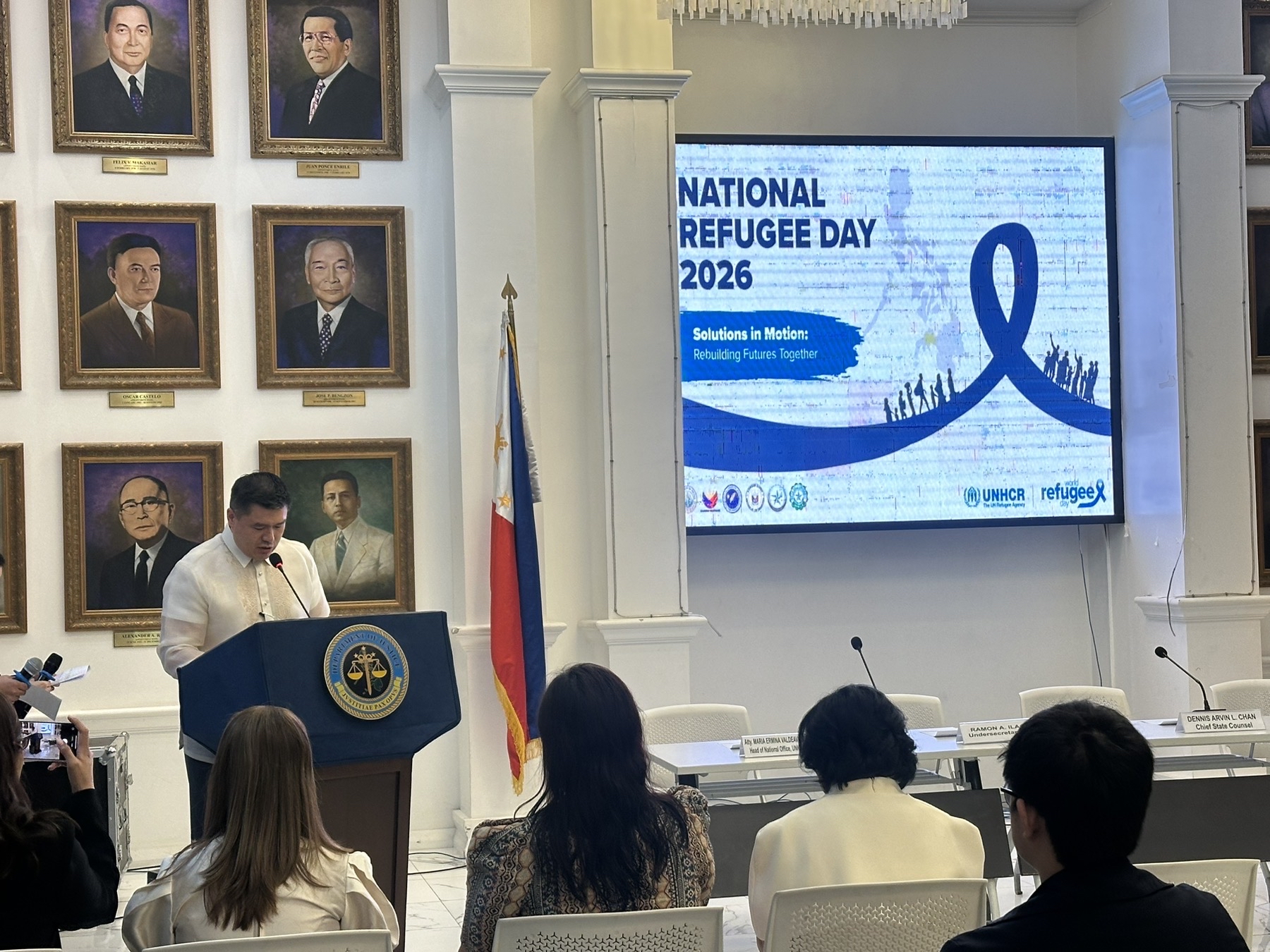
As we delve into this phenomenon, it’s essential to understand the broader context surrounding this surge. The Philippines, known for its rich cultural heritage and welcoming spirit, has often served as a refuge for those fleeing conflict, persecution, or natural disasters in their home countries. The increasing number of applicants underscores the ongoing global crises that compel individuals to seek safety and a new beginning in foreign lands.
The DOJ's announcement comes at a time when various countries are grappling with their own immigration challenges. Factors such as political instability, economic downturns, and environmental disasters have led to an unprecedented number of people seeking asylum worldwide. As the Philippines becomes a destination for these individuals, it raises important questions about the nation’s capacity to provide support and resources.
Historically, the Philippines has had a mixed record when it comes to handling asylum seekers. While there have been efforts to create a supportive environment, challenges remain. Public perception, resource allocation, and the legal framework surrounding refugee status are all critical components that influence the experiences of those seeking refuge.
The current administration has emphasized the need to address these challenges proactively. By enhancing support systems for refugees and streamlining the application process, the Philippines can position itself as a leader in humanitarian response in the region. The DOJ has expressed commitment to ensuring that the rights of these individuals are upheld while also balancing the needs of national security and social cohesion.
Moreover, the involvement of non-governmental organizations (NGOs) and civil society groups is crucial in providing assistance to refugees. These organizations play a vital role in offering legal aid, counseling, and integration programs that help refugees adapt to their new environment. The collaboration between the government and these entities can greatly improve the outcomes for asylum seekers.
Additionally, as global awareness of refugee issues grows, there is an opportunity for the Philippines to engage in international dialogues and partnerships aimed at addressing the root causes of forced migration. By participating in these discussions, the country can contribute to developing comprehensive solutions that not only benefit refugees but also strengthen regional stability.
In conclusion, the increase in refugee applications in the Philippines is a significant development that warrants careful consideration and action. It presents both challenges and opportunities for the nation as it navigates its role in the global community. As the situation evolves, it will be essential to monitor how the government responds and what policies are implemented to support those seeking refuge in the country.
Data sourced from the Department of Justice.