

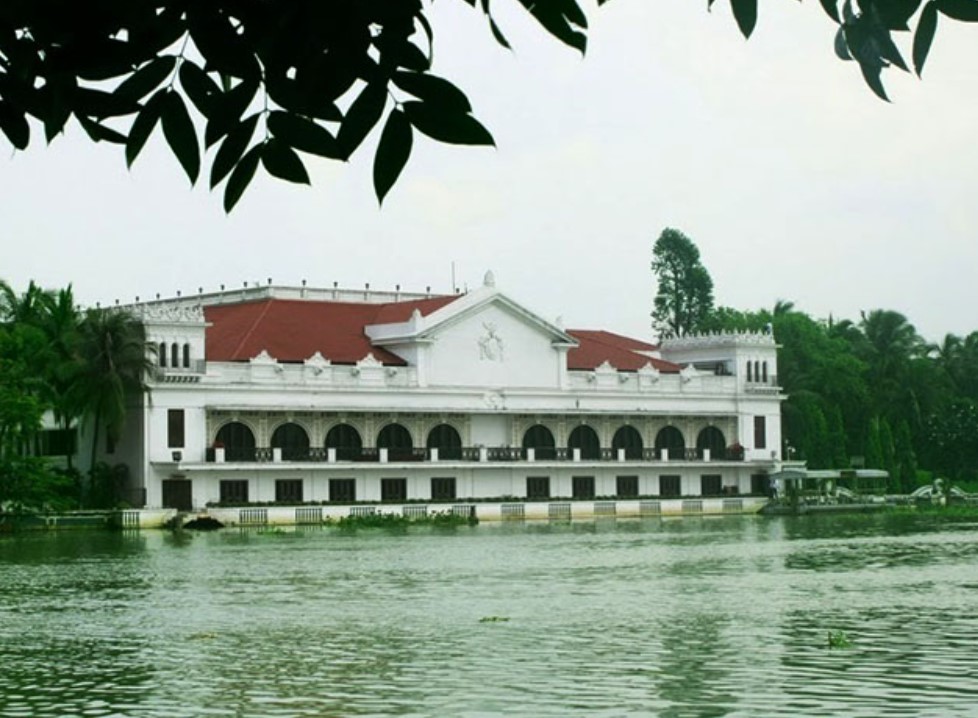
The tapestry of Philippine culture is woven from the unique traditions, founding histories, and vibrant festivals of its diverse municipalities, cities, and provinces. In a move that honors these distinct local identities and encourages regional pride, President Ferdinand Marcos Jr. has officially declared six additional local holidays for the month of June 2026. These proclamations, issued through the Office of the Executive Secretary, aim to give citizens in the affected areas the full opportunity to celebrate and participate in their rich heritage, historical milestones, and local festivities without the worry of missing work or school.
While national holidays often capture the country's collective attention, local holidays play an equally critical, if not more intimate, role in fostering community spirit and preserving historical memory. They serve as a vital link to the past, allowing residents to pause, reflect, and celebrate the foundations of their respective towns and cities. By declaring these special non-working days, the administration recognizes the importance of grassroots history, ensuring that the legacy of local pioneers, revolutionary figures, and cultural triumphs continues to be handed down to future generations. Each declared holiday represents a unique chapter in the broader story of the Filipino nation, reminding citizens that national progress is deeply rooted in the strength of its local communities.
Beyond the cultural and historical significance, the declaration of these local holidays carries a substantial economic weight. June has traditionally been a month of transition in the Philippines, bridging the tail end of the dry season with the onset of the monsoon rains, yet it remains a prime period for local festivals, charter day celebrations, and cultural tourism. When a local holiday is declared, it breathes immediate life into regional economies. Families are given the precious time to travel back to their hometowns, participate in community gatherings, and support local businesses, transportation services, artisans, and culinary vendors. This localized economic boost is particularly crucial for provinces and municipalities striving to maintain robust growth in their domestic tourism and retail sectors.
In the Philippine governance framework, the process of declaring a local holiday involves a meticulous evaluation of formal petitions and resolutions submitted by local government units (LGUs). Mayors, governors, and local councils often coordinate with the National Historical Commission of the Philippines (NHCP) to verify the historical accuracy of a particular date—be it a founding anniversary, a charter day, or a significant historical event. Once verified, these resolutions are forwarded to the Office of the President. The Executive Secretary, acting on behalf of the President, then signs the proclamations. This collaborative administrative pipeline highlights the strong coordination between local executives and the national administration, ensuring that community-specific milestones are elevated to national recognition with appropriate legal standing.
For global Filipinos and Overseas Filipino Workers (OFWs), these declarations resonate deeply. Many OFWs plan their annual homecomings around their hometowns' founding anniversaries or traditional patronal fiestas. The assurance of an official local holiday allows families to gather without the constraints of regular work schedules, making these celebrations a focal point for family reunions and cultural reconnection. It keeps the flame of local identity alive, even for those who are thousands of miles away, working in different parts of the globe. Knowing that their hometown is celebrating a milestone brings a sense of pride and connection that transcends geographical borders.
As these six distinct areas in the country prepare for their respective celebrations in June 2026, local government departments are already gearing up to roll out comprehensive activities. These schedules typically range from street dancing competitions and civic-military parades to historical exhibitions, agricultural trade fairs, and community-wide talent showcases. The planning phases for these events often begin months in advance, involving public schools, non-governmental organizations, and the local private business sector. With the official presidential proclamations now publicly issued, local organizers have the green light to finalize their event itineraries, secure sponsorships, and launch marketing campaigns to invite tourists from neighboring regions.
In an era of rapid urbanization and global integration, where digital distractions and international trends can sometimes overshadow local customs, the preservation of regional heritage through formal holiday declarations is more important than ever. It reinforces the idea that national identity is not monolithic, but rather a vibrant mosaic of regional histories, dialects, and traditions. Whether celebrating a century-old founding anniversary or a newly minted city charter, these holidays remind every Filipino of their roots and the shared values of cooperation, resilience, and community that bind them together.
According to official reports from the Malacañang Press Office and presidential proclamations, these localized holidays reflect an ongoing policy of supporting regional development and cultural preservation. By providing communities with the official space to celebrate, the government ensures that local history remains an active, living part of daily life.
Data sourced from official reports from the Malacañang Press Office and presidential proclamations.
#BalitaBNB #NewsUpdate #PhilippineHolidays #LocalHeritage #NationalNews #OFWNews