

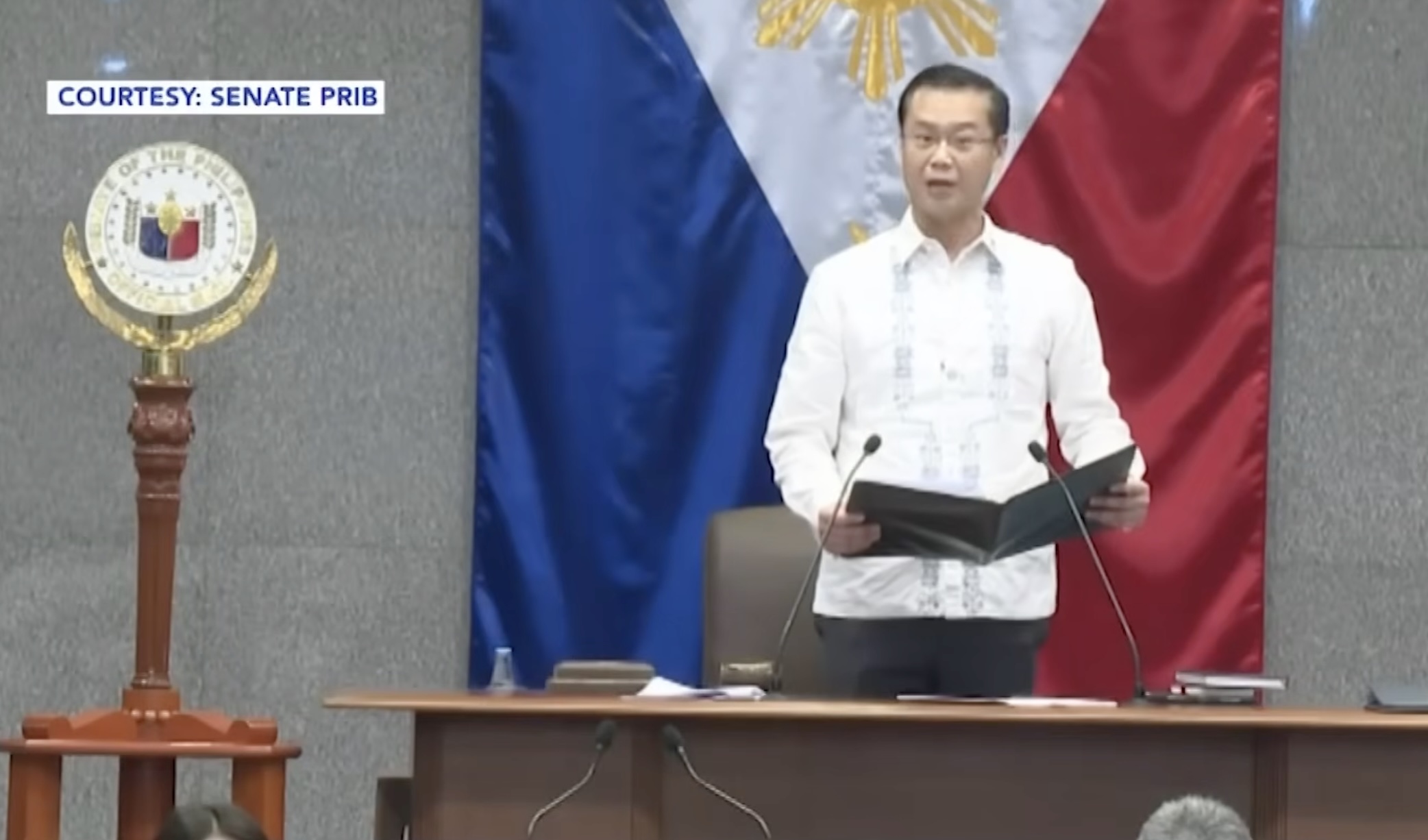
Gatchalian’s response was swift and firm. He clarified that the Senate does not recognize the statements made during this controversial gathering. This declaration reflects a critical stance on the validity of the claims made by these individuals, emphasizing the need for credible evidence over mere assertions. The implications of his statement are far-reaching, as they not only challenge the credibility of the accusers but also highlight the Senate’s commitment to uphold integrity in governance.
It’s essential to understand the context of Gatchalian’s remarks. The Philippines has a tumultuous history with corruption, often leading to public outcry and demands for accountability. Corrupt practices have eroded trust in government institutions, and allegations like these can reignite the flames of public distrust. Gatchalian’s stance serves as a reminder that while accusations should be taken seriously, they must also be grounded in truth and evidence.
As news of the gathering circulated, it brought forth a wave of responses from the public and political analysts. Many wonder about the motivations behind such accusations. Are they genuine claims seeking justice, or are they politically motivated attempts to undermine current leadership? The timing of these allegations cannot be overlooked, especially in a politically charged environment where elections loom on the horizon.
Moreover, the identity of the accusers plays a crucial role in how the public perceives these allegations. Being labeled as ‘ex-Marines’ adds a layer of credibility in the eyes of some, yet it also opens up questions about their intentions and backgrounds. Are these individuals acting out of a sense of duty to expose wrongdoing, or are they seeking personal gain or revenge?
Public reactions have been mixed. Some citizens express support for the former Marines, believing they are brave enough to speak out against corruption. Others, however, criticize them for potentially spreading misinformation that could destabilize the political landscape. As is often the case, the truth lies somewhere in the middle, and the Senate's role in addressing these allegations will be crucial.
In the face of such serious allegations, it is vital for the Senate and other governmental bodies to conduct thorough investigations. Transparency and accountability are necessary to restore public trust. Gatchalian’s comments serve as a call to action for both lawmakers and citizens alike to remain vigilant in the fight against corruption. The Philippine government must reassure its people that it takes allegations seriously but also stands firm against unfounded claims.
As this story unfolds, it will be interesting to see how the Senate proceeds with investigations and whether any substantial evidence will surface to support the accusations made. The balance between protecting the dignity of public officials and addressing the concerns of the citizenry is delicate, and how the government navigates this situation could have lasting implications for its future.
Ultimately, the conversation surrounding corruption in the Philippines is far from over. With each new allegation comes a renewed opportunity for discourse, reflection, and, hopefully, reform. The stakes are high, and the eyes of the nation remain fixed on the unfolding drama. As we await further developments, let’s engage in constructive dialogue about accountability, governance, and the role of citizens in shaping a transparent political landscape.
According to a report by GMA News...