

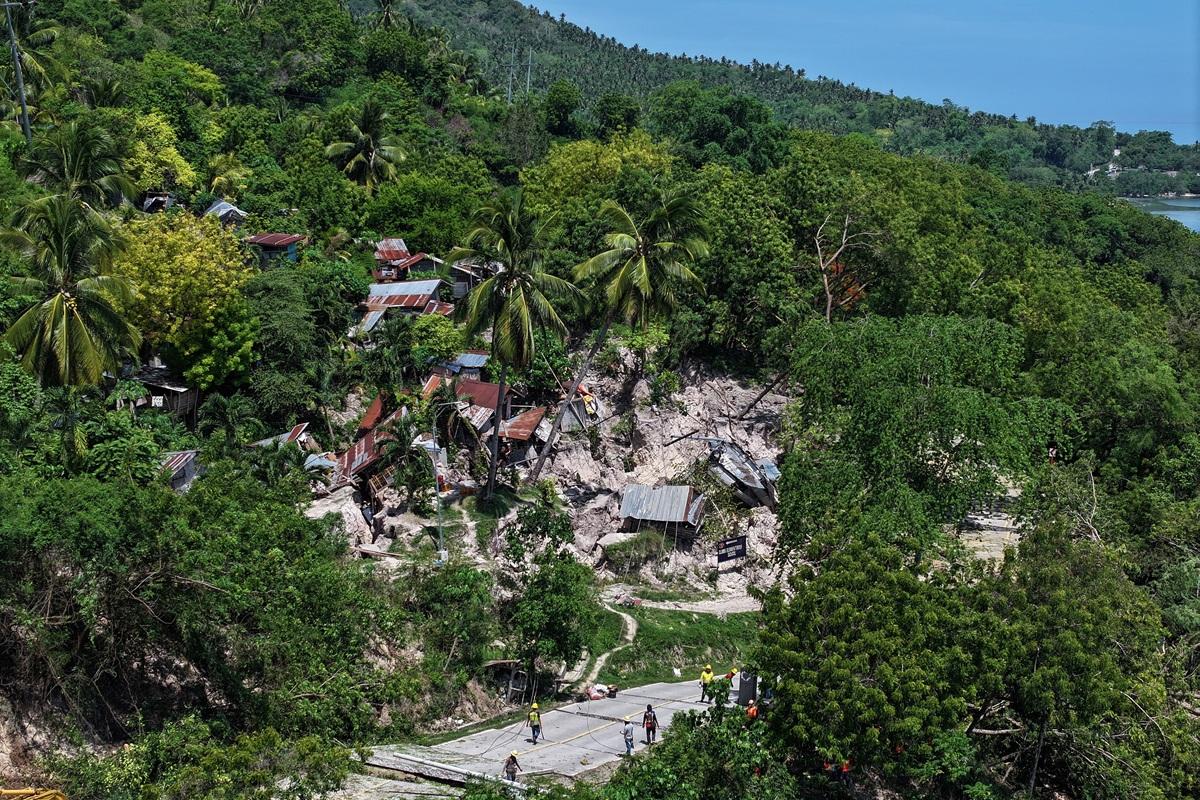
The earthquake's epicenter was located near densely populated areas, which means the repercussions are not just physical but emotional as well. Families have been displaced, and many are currently seeking shelter while authorities assess the extent of the damage. As the situation unfolds, it is vital to understand the broader implications of such natural disasters on our communities and infrastructure.
In the wake of the earthquake, local governments have mobilized resources to provide immediate aid. Relief efforts are underway, including the distribution of food, water, and medical supplies to those affected. Volunteers and non-governmental organizations are also stepping up, showcasing the resilience and unity of the Filipino spirit in times of crisis.
Historically, Mindanao has faced its share of natural disasters, but each event serves as a reminder of the importance of preparedness and community support. The NDRRMC has emphasized the need for continuous monitoring of aftershocks and has urged residents to stay vigilant.
As we reflect on the impact of this earthquake, it’s crucial to consider not only the immediate response but also the long-term recovery efforts that will be necessary. Rebuilding homes and infrastructure will require significant resources and coordination among various sectors, including government, private entities, and international aid organizations.
Furthermore, it is essential to foster a culture of preparedness among communities. Education on earthquake safety, emergency response, and community drills can greatly reduce the risk and enhance resilience against such natural calamities. By sharing stories of survival and recovery, we can inspire others to take proactive measures in safeguarding their families and communities.
As the days progress, let us keep the affected individuals and families in our thoughts. The road to recovery may be long, but with collective effort and compassion, we can help rebuild lives and restore hope for a brighter future.
Data sourced from GMA News.