

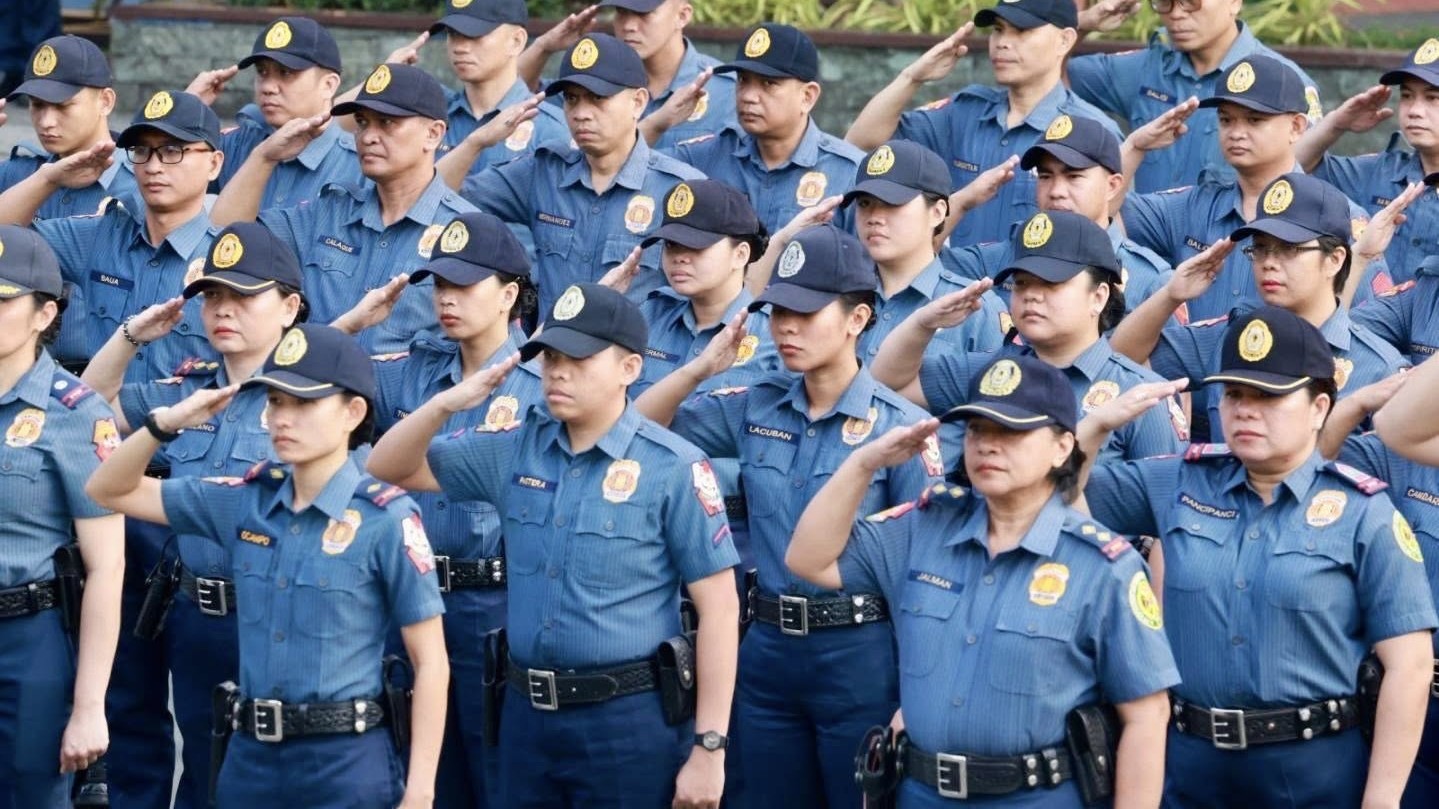
In the vibrant and often tempestuous theater of Philippine politics, public institutions are constantly tested. Perhaps no institution feels this pressure more acutely than the Philippine National Police (PNP). As the primary agency tasked with maintaining day-to-day peace and order, the police force serves as the immediate face of state authority in every barangay across the archipelago. This is why the recent directive from PNP Chief General Jose Melencio Nartatez Jr. is not just a routine administrative reminder, but a critical message for the preservation of the country's democratic integrity.
During a recent address, General Nartatez sent a clear, uncompromising message to all police personnel: remain strictly apolitical and double down on the core mandate of serving and protecting the civilian population. This warning comes at a time when political temperatures are beginning to rise, fueled by shifting alliances, local rivalries, and the looming horizon of upcoming electoral cycles. In a landscape where political patronage has historically tried to extend its reach into local law enforcement, keeping the police shield clean of partisan colors is a monumental, yet absolutely necessary, task.
To understand the gravity of General Nartatez’s directive, one must look at the historical context of law enforcement in the Philippines. For decades, the country has struggled with the challenge of local warlordism and private armies. In many provinces, the local police chief has historically been viewed—rightly or wrongly—as an extension of the sitting mayor’s or governor’s political machinery. The transition of the PNP from its militarized past under the old Philippine Constabulary into a highly professionalized, civilian-oriented national police force was specifically designed to break these localized cycles of political influence. Ensuring that a police officer’s loyalty belongs solely to the Constitution, and not to the local politician who holds sway over their assignment, is the bedrock of modern Philippine law enforcement.
When police forces become partisan, the consequences for ordinary citizens are immediate and severe. Public trust, which is incredibly difficult to build and remarkably easy to destroy, begins to erode. If a community believes that the local police force favors one political faction over another, the very concept of equal justice under the law collapses. Citizens become hesitant to report crimes, local disputes escalate without neutral mediation, and the environment becomes ripe for political violence. By demanding absolute neutrality, General Nartatez is seeking to insulate his officers from these pressures, ensuring they remain trusted arbiters of peace in their respective communities.
This call to action is particularly vital for the thousands of police officers stationed in far-flung municipalities. These are the frontliners who face the direct pressure of local political dynasties. During election seasons, local candidates often seek to leverage local police presence to secure their strongholds or intimidate rivals. A strong, centralized directive from the PNP leadership gives these local officers the institutional backing they need to say "no" to political interference. It reminds them that their performance is evaluated on how well they suppress crime and protect lives, not on how well they accommodate the wishes of local candidates.
For the millions of global Filipinos and Overseas Filipino Workers (OFWs) who watch their homeland from afar, the stability of the Philippines is a matter of deep personal concern. Many OFWs send hard-earned remittances back home to build houses, start small businesses, and secure the future of their children. The success of these investments relies heavily on a stable, safe, and predictable domestic environment. When law enforcement institutions remain professional and apolitical, it sends a reassuring signal to the global diaspora that the motherland remains safe, stable, and governed by the rule of law.
According to a report by GMA News, General Nartatez emphasized that police personnel must keep their focus entirely on law enforcement duties, especially as political tensions rise. This means prioritizing crime prevention, improving emergency response times, and intensifying the campaign against loose firearms and lawless elements. When officers are busy securing communities, they have no time to be dragged into political bickering.
Ultimately, a professional, apolitical police force is one of the strongest pillars of a resilient democracy. By reinforcing this standard, the PNP leadership is helping to ensure that the voice of the Filipino voter remains sovereign and that the streets remain safe for everyone, regardless of political affiliation. Keeping the shield clean is not just a policy—it is a promise of service and protection to the Filipino people.
Data sourced from GMA News.