

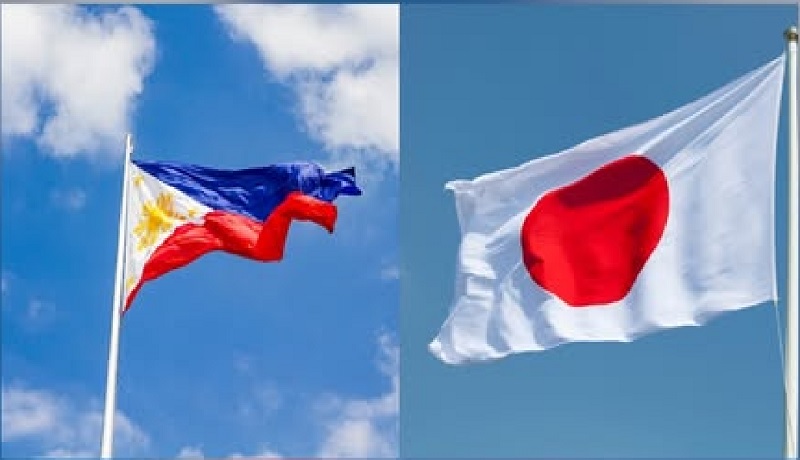
For many Filipinos, Japan has long been a dream destination. Whether it is the mesmerizing sight of cherry blossoms painting the streets of Tokyo pink during the spring, the serene and historical atmosphere of Kyoto’s ancient temples, or the neon-lit excitement of Osaka’s street food culture, the Land of the Rising Sun holds a unique allure for travelers from the Philippines. However, for a significant number of aspiring tourists and professionals, the hurdle has often been the visa application process. Thankfully, recent developments suggest that this may soon become a thing of the past. According to a report by GMA News, Japanese Ambassador to the Philippines Endo Kazuya has confirmed that the Japanese government is actively studying measures to streamline and ease the visa application requirements for Filipino citizens.
This potential shift in policy represents a significant milestone in the diplomatic and cultural relations between the two nations. For decades, the Philippines and Japan have shared a robust partnership, ranging from economic aid and infrastructure development to deep-seated cultural exchanges. By making travel more accessible, both nations are essentially opening doors for greater tourism revenue and stronger people-to-people connections. When visa processes become less cumbersome, it naturally invites a surge in interest from the Filipino middle class—a demographic that has shown an increasing appetite for international travel over the last several years.
Historically, visa policies serve as a reflection of the strength of bilateral ties. As the Philippines continues to emerge as a key partner in the Indo-Pacific region, it is only logical for countries like Japan to reconsider travel barriers that might have been put in place years ago. Ambassador Endo Kazuya’s statement highlights a proactive approach by Tokyo to acknowledge the growing importance of the Filipino market. We are talking about potential changes that could range from simplified documentation requirements to faster processing times, or perhaps even an expansion of multiple-entry visa eligibility for frequent visitors.
Think about what this means for the average Filipino worker or family. Currently, the stress of gathering documents, proof of financial capacity, and the lingering anxiety of waiting for an embassy decision can deter many from even attempting the application. By lowering these barriers, Japan is signaling that they are ready to welcome more Filipinos, not just as transient tourists, but as participants in the global exchange of culture and ideas. It is a strategic move, especially when you consider that tourism is a major pillar of Japan's post-pandemic economic recovery strategy. They are looking to diversify their visitor demographics, and Filipinos, known for their warmth, love for travel, and strong spending power in retail and hospitality, are an ideal demographic to court.
Beyond just tourism, this development carries implications for labor and professional exchange. While this current discussion focuses on general visa streamlining, it sets a positive precedent for other visa categories, including those for skilled workers and students. As Japan faces an aging population and a labor shortage in various sectors, they are increasingly looking toward Southeast Asia to fill gaps. Easing the entry requirements for Filipinos acts as a bridge, making it easier for skilled professionals to explore opportunities in Japan legally and efficiently.
Of course, it is important to remember that these are preliminary studies. Diplomacy is a delicate dance, and while the intention expressed by the Ambassador is incredibly encouraging, there is still the bureaucratic process to navigate. Both the Philippine Department of Foreign Affairs and the Japanese Embassy will need to harmonize their systems to ensure that security protocols remain intact while convenience is prioritized. It is a balancing act, but one that both sides seem eager to perform.
As we look forward to the official rollout of these changes, the message to the Filipino public is clear: keep your passports ready and your itinerary planning apps open. The dream of walking through the Shibuya Crossing or enjoying an authentic bowl of ramen in a quiet side street in Fukuoka is about to get much closer to reality. This is a testament to the enduring friendship between our countries, and a reminder that when borders become easier to cross, the world becomes a much smaller, more connected place for all of us.
Data sourced from GMA News.