

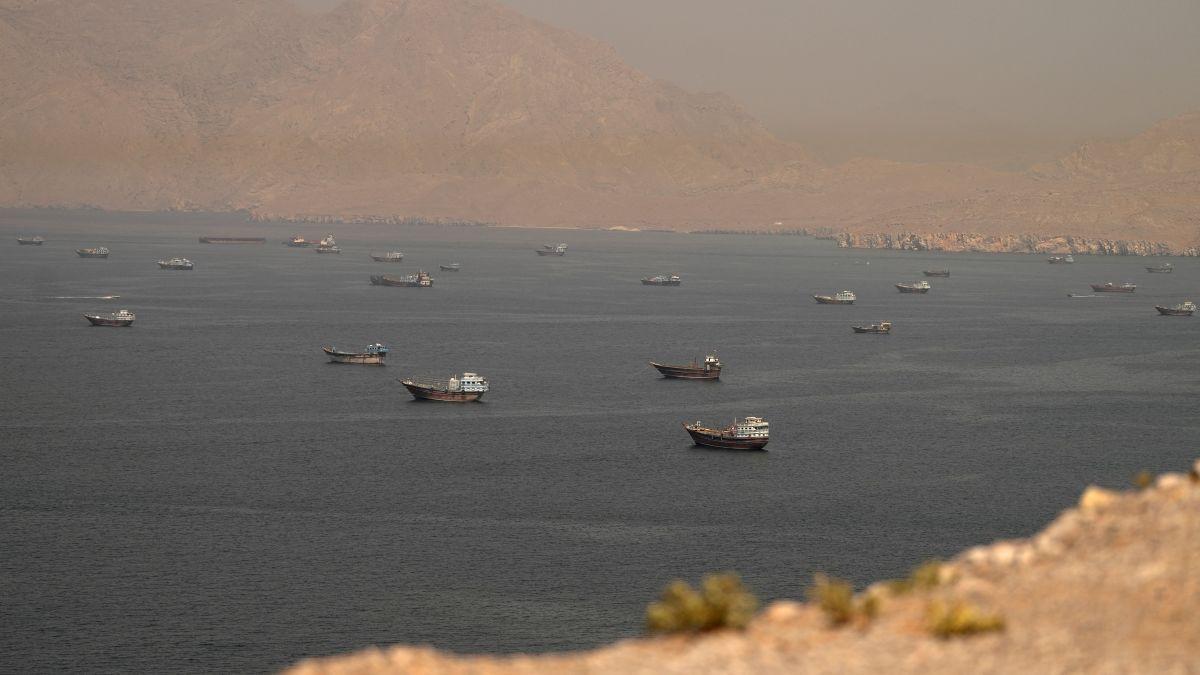
The MOU is not just a political gesture; it symbolizes a shift in the longstanding tensions that have characterized US-Iran relations, particularly in maritime contexts. Historically, the Strait of Hormuz has been a flashpoint for tensions, especially given its importance to oil-exporting countries and the global economy. The waters have seen numerous incidents involving military confrontations, including attacks on commercial vessels and threats from Iranian forces. With this new agreement, there’s a sense of hope that the waters might become safer for navigation, allowing for a more stable and predictable maritime environment.
For South Korea, this development is particularly crucial. The country relies heavily on energy imports, and a significant portion of those imports passes through the Strait. The ability to transit these waters with reduced risk is a boon for South Korean shipping companies and the broader economy. Furthermore, this agreement could enhance South Korea's diplomatic position in the region as it balances its relations with both the US and Iran.
Maritime security experts have highlighted the importance of international cooperation in ensuring the safety of shipping lanes. The US-Iran MOU could pave the way for additional agreements that might involve other nations, further stabilizing the region. It also raises questions about how other stakeholders in the region, like Saudi Arabia and the UAE, will respond to this new dynamic.
The geopolitical implications of this ceasefire extend beyond the Strait of Hormuz. It could signal a thaw in relations not only between the US and Iran but also among various nations that have vested interests in the Persian Gulf. Some analysts suggest that this could lead to a broader dialogue aimed at peace and cooperation in the Middle East, potentially impacting conflicts in Yemen, Syria, and beyond.
While this news is promising, it also comes with a cautionary note. The history of US-Iran relations is fraught with setbacks, and previous agreements have often been undermined by political changes and military actions. Therefore, while the current situation is encouraging, stakeholders will need to remain vigilant to ensure that this newfound cooperation does not falter.
As we look ahead, the global community will be watching closely how this ceasefire MOU unfolds and what it means for international shipping and regional stability. The hope is that this is just the beginning of a more peaceful and cooperative era in the Gulf region.
According to a report by GMA News, the successful transit of South Korean vessels through the Strait of Hormuz is a testament to the positive impact of diplomatic negotiations in high-stakes environments.