

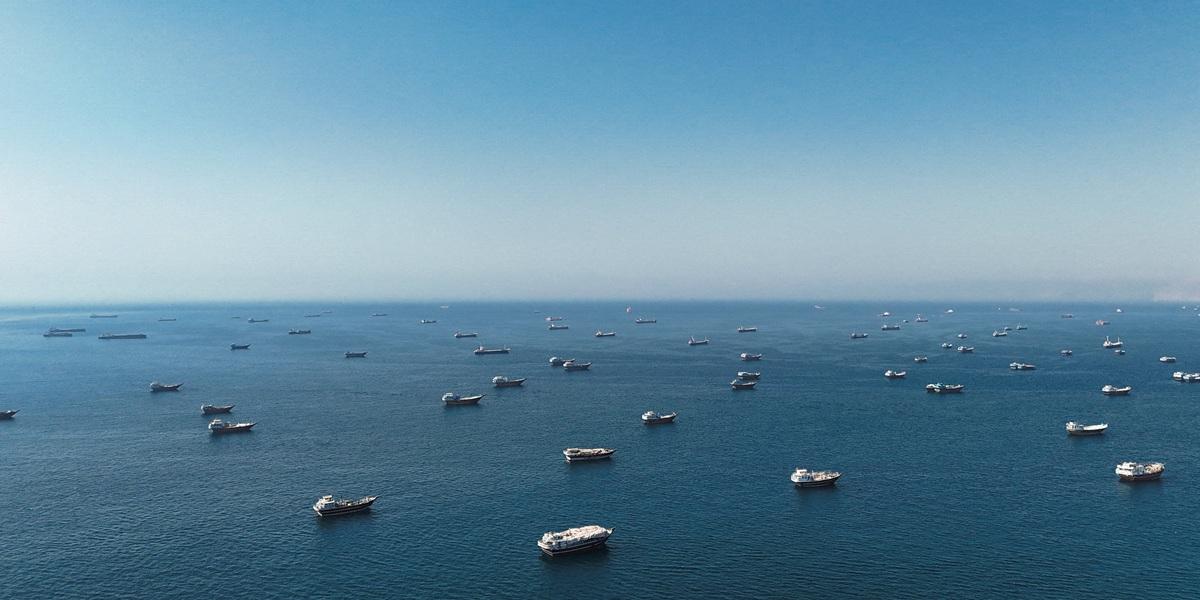
For many, the news represents a glimmer of hope amid a backdrop of conflict and uncertainty that has persisted for decades. The Strait of Hormuz, which sees approximately a fifth of the world's oil supply transit daily, has been a focal point of international tension, especially following Iran's aggressive posturing in recent years. The blockade imposed by the U.S. was initially aimed at crippling Iran's economy and curtailing its nuclear ambitions, a strategy that many critics argue has only served to exacerbate hostilities.
The agreement to lift the blockade signals a willingness from both sides to engage in diplomacy rather than warfare. U.S. officials noted that the decision was not made lightly; rather, it reflects a strategic pivot aimed at stabilizing a region that has been volatile for far too long. The recent negotiations have been fueled by changing dynamics within both countries, including domestic pressures and shifting international alliances.
Iran's leadership has also faced increasing challenges, both economically due to the sanctions and politically from a populace that has grown weary of prolonged conflict. The prospect of renewed economic engagement could provide the Iranian government with the much-needed respite to address internal dissent and foster a more stable society.
As the details of the agreement continue to unfold, analysts are closely monitoring the reactions from both nations’ citizens and global markets. The reopening of the Strait of Hormuz is particularly crucial, as it could alleviate some of the economic pressures that have plagued both countries. However, the success of this agreement will depend largely on the commitment from both parties to uphold their end of the bargain.
While some skeptics question whether this agreement will hold, the fact that both nations have publicly committed to a ceasefire and diplomatic engagement is a step towards a more peaceful coexistence. It is essential to remember that the road to lasting peace is often fraught with challenges, yet this agreement could serve as a catalyst for future negotiations.
The implications of this development are far-reaching, not only for the U.S. and Iran but also for their allies and the broader international community. As the world watches, the hope is that this agreement will lead to a more stable Middle East and pave the way for further diplomatic efforts that address underlying issues and foster long-term peace.
According to a report by GMA News, both nations appear to be moving forward with a cautious optimism, recognizing that the stakes are high and the path ahead will require careful navigation.