

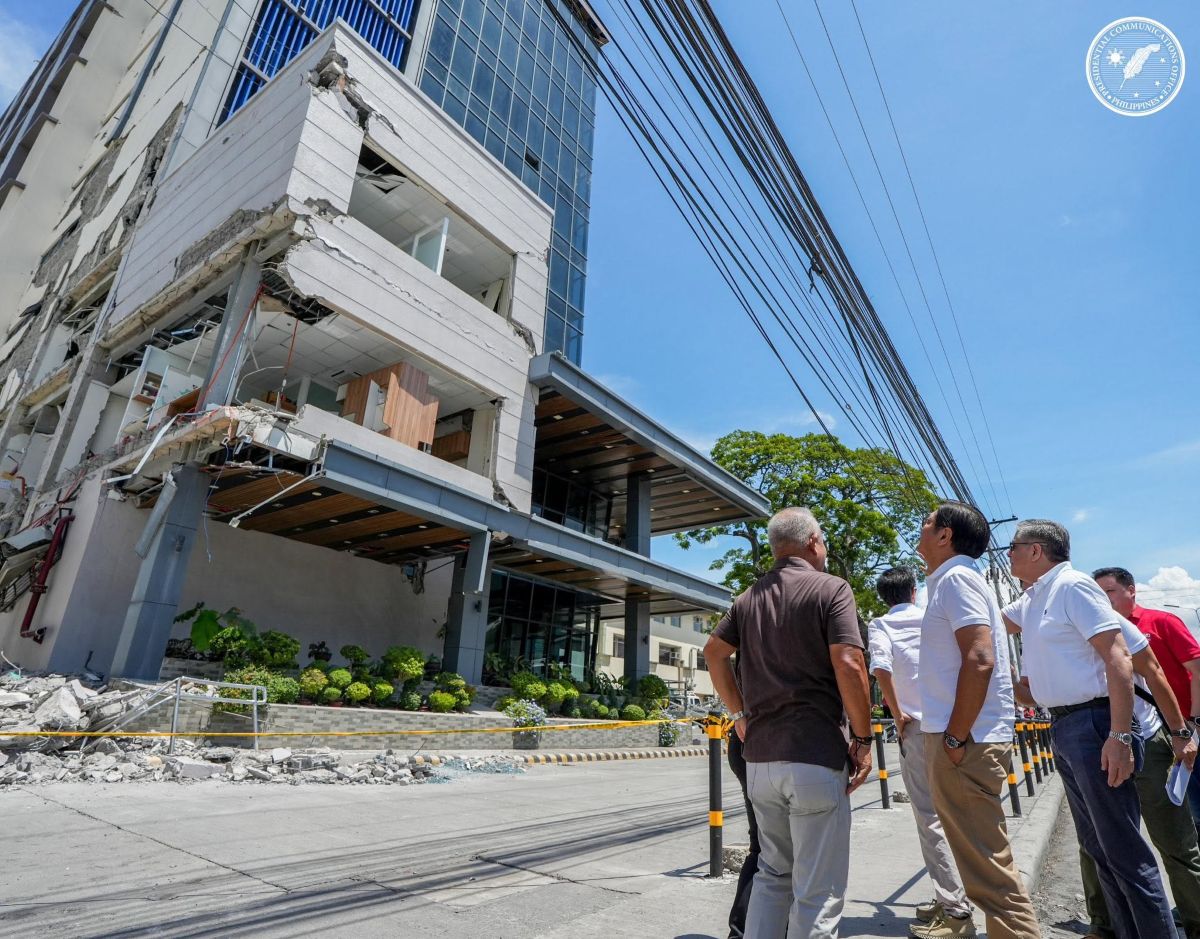
In the aftermath of the harrowing 7.8 magnitude earthquake that shook the foundation of Mindanao earlier this week, the nation has been left grappling with both the physical devastation and the profound loss of life. Nature, as we know, often strikes without warning, leaving families to pick up the pieces of their broken lives in an instant. It is during these moments of extreme fragility that the true spirit of community and governance is tested. President Ferdinand “Bongbong” Marcos Jr. recently stepped forward to offer a measure of relief, announcing that the national government will provide P50,000 in financial assistance to each family who lost a loved one during this seismic event.
Data sourced from GMA News highlights the urgency of this intervention. Financial aid, while incapable of replacing a human soul, serves as a vital bridge during the period of immediate trauma, helping families cover funeral expenses and other pressing needs that accumulate rapidly after a tragedy. When an earthquake of such magnitude strikes, the ripple effects are felt far beyond the collapsed buildings and cracked roads. It touches the very core of our society, forcing us to reflect on our disaster preparedness, the structural integrity of our homes, and the vulnerability of our regions. Mindanao has long been a resilient island, but the sheer force of this recent earthquake has tested that resolve in ways that require immediate and substantial government support.
Beyond the headline figures and the official announcement, the broader implication is one of national solidarity. For many Filipinos, especially those working abroad who monitor news from home with bated breath, seeing the government take swift action provides a sense of reassurance. The administrative task of verifying victims and distributing funds is no small feat in the chaos of a disaster zone, yet it remains a necessary component of the recovery process. This financial gesture acts as a tangible signal that the grieving families are not walking through this dark valley alone. The administration's focus on these bereaved families mirrors the ongoing efforts by various government agencies to assess structural damage and provide medical relief to the hundreds who were injured during the tremor.
As the ground continues to settle and the aftershocks gradually diminish, the focus of the nation shifts toward long-term rehabilitation. We must consider how the infrastructure in earthquake-prone provinces can be bolstered to withstand similar events in the future. Seismic safety isn't just a matter of engineering; it is a fundamental aspect of public welfare. The resilience of Mindanao is legendary, but resilience needs to be supported by robust institutional frameworks that prioritize human safety above all else. This P50,000 assistance is a start, but the conversation surrounding disaster management, emergency response times, and early warning systems must continue to evolve. Every tragedy provides a bitter lesson in what we lack, and the path forward requires an honest assessment of our readiness as a nation. For now, the priority remains with the survivors and the families of the fallen, ensuring that they receive the compassion and the material support promised by the state. As we move forward, let us keep our brothers and sisters in Mindanao in our thoughts, recognizing that our collective strength is the most powerful tool we have in the face of nature’s unpredictable temperament. We stand with you, through the tremors and the recovery, as we rebuild what was lost and honor those who are no longer with us.