

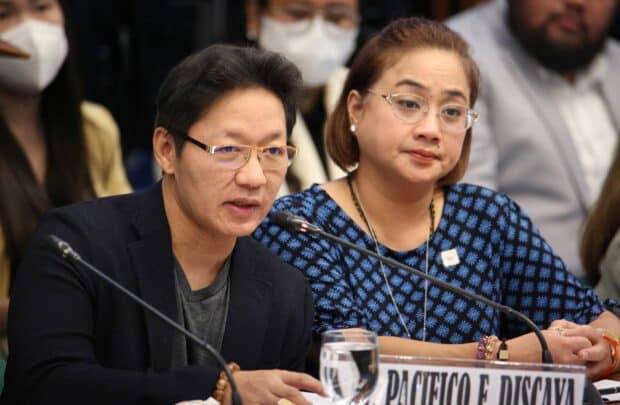
In the complex landscape of Philippine governance, the intersection of private enterprise and public funds often becomes a theater of intense scrutiny. The latest chapter in this ongoing narrative involves government contractor Curlee Discaya, who is scheduled to be officially transferred to the custody of the Department of the Interior and Local Government (DILG) on Monday, June 8. This upcoming transition, announced by DILG Secretary Jonvic Remulla, underscores the escalating coordination between legislative oversight and executive enforcement.
The decision to delay the transfer until Monday morning stems from practical, logistical considerations. According to Secretary Remulla, Senate President Pro Tempore Win Gatchalian advised that because the courts are closed over the weekend, holding the transition on Monday represents the most orderly path forward. Once the handoff occurs, DILG personnel will book Discaya at the Senate before transporting him directly to Bulacan. This coordinated maneuver highlights the structured protocol that governs high-profile individuals detained by the legislature.
To understand how Discaya arrived at this point, one must look back at the inherent powers of the Philippine Senate. Discaya’s current detention within the Senate complex is the result of being cited in contempt by the Senate Blue Ribbon Committee. During the committee's investigation into public procurement and government contracting, lawmakers concluded that Discaya was not being entirely truthful. The power to cite resource persons in contempt is one of the legislature’s most potent tools, designed to preserve the integrity of congressional inquiries and ensure that the public interest is protected through honest testimony.
Historically, the Senate Blue Ribbon Committee—formally known as the Committee on Accountability of Public Officers and Investigations—has played a monumental role in shaping Philippine political history. From investigating massive procurement anomalies to exposing systemic corruption within various departments, the committee has often been the starting point for landmark court cases and legislative reforms. By exercising its power to cite individuals in contempt, the Senate ensures that its constitutional mandate to conduct inquiries in aid of legislation is not rendered toothless by evasive or deceptive resource persons.
When private contractors engage with government agencies, they enter a realm where transparency is paramount. Billions of pesos in taxpayer money are allocated annually to infrastructure and public services, and the public expects every centavo to be accounted for. When discrepancies or allegations of irregularities surface, the Senate Blue Ribbon Committee serves as the primary investigative body to dig beneath the surface. For Discaya, the committee's determination that he lied during the hearings transformed a legislative inquiry into a personal legal crisis, culminating in his physical detention.
In Discaya's case, the allegations of dishonesty during these critical hearings strike at the very heart of public trust. When contractors, who are entrusted with public infrastructure and developmental projects, fail to provide clear, honest answers, it raises red flags about the integrity of the projects themselves. The public works sector has long been scrutinized for vulnerabilities to collusion and inflated pricing. Thus, the Senate’s rigorous questioning is not merely political theater; it is a vital defensive mechanism for the national treasury.
Moreover, the logistical handoff to Bulacan raises interesting questions about the geographical scope of Discaya's business operations and legal liabilities. Bulacan, a rapidly growing province adjacent to Metro Manila, is currently a hub for massive infrastructure developments, including major airport and highway projects. The DILG's decision to transport him straight to this region suggests that the implications of his testimony, or lack thereof, may have direct ramifications on local government projects and administrations within the province.
The active role of Secretary Jonvic Remulla in coordinating this transfer also highlights the strategic direction of the DILG under his leadership. Known for his direct approach to administrative oversight, Remulla’s involvement ensures that the executive department acts swiftly upon legislative recommendations. It bridges the gap between the Senate’s findings and the physical enforcement of the law, ensuring that individuals who run afoul of legislative mandates are quickly integrated into the executive law enforcement apparatus.
Ultimately, the resolution of Curlee Discaya’s detention will be closely watched by watchdogs, industry players, and the general public alike. It serves as a stark warning to other government contractors that public funds come with public accountability. The era of securing lucrative government contracts without expecting deep, microscopic oversight is long gone. As the DILG prepares to take custody on Monday morning, the nation watches to see if this action will lead to broader systemic reforms or if it remains an isolated case of enforcement.
According to a report by Inquirer, this high-profile transfer underscores the relentless push for institutional integrity in the Philippines, promising a new standard of vigilance in the management of public contracts.
#BalitaBNB #NewsUpdate